Location-based Training with Complementary Folded Linear Orderings for Multichannel Speech Separation
This demo page lets you hear how location-based training (LBT) with different output topologies assign speakers to output channels according to azimuth, and how complementary folded linear orderings (CLBT-FLOs) improve two-speaker multichannel separation relative to circular ordering (LBT-CO).
Headphones are recommended. Playing one clip pauses the others. Paper is available at: arXiv:2609.12629
Contents
Use the sections in order. Each one presents one claim:
- ESTOI evaluation of selection policies — objective confirmation that evaluation under ESTOI matches SI-SDRi on PET-3 and URA-4+.
- Location-based speaker ordering — showing that the network follows speaker location in separated outputs (Male-Female Separation).
- Complementary FLO selection — which FLO is preferred depends on speaker-array geometry; a selected FLO outperforms LBT-CO (Male-Female Separation).
- Advantage across arrays (anechoic) — selected LBT-FLO produces higher quality than LBT-CO on PET-3 and URA-4+ arrays (Male-Male Separation).
- Advantage across arrays (reverberant) — the same comparison in a highly reverberant room (Female-Female Separation).
1. ESTOI Evaluation of Selection Policies
As stated in the paper, selection-policy trends are similar when the metric is ESTOI instead of SI-SDRi. The plots below are averaged over 16 speaker pairs for the PET-3 and URA-4+ arrays. The relative performance and ranking of selection policies under ESTOI are consistent with those observed using SI-SDRi.
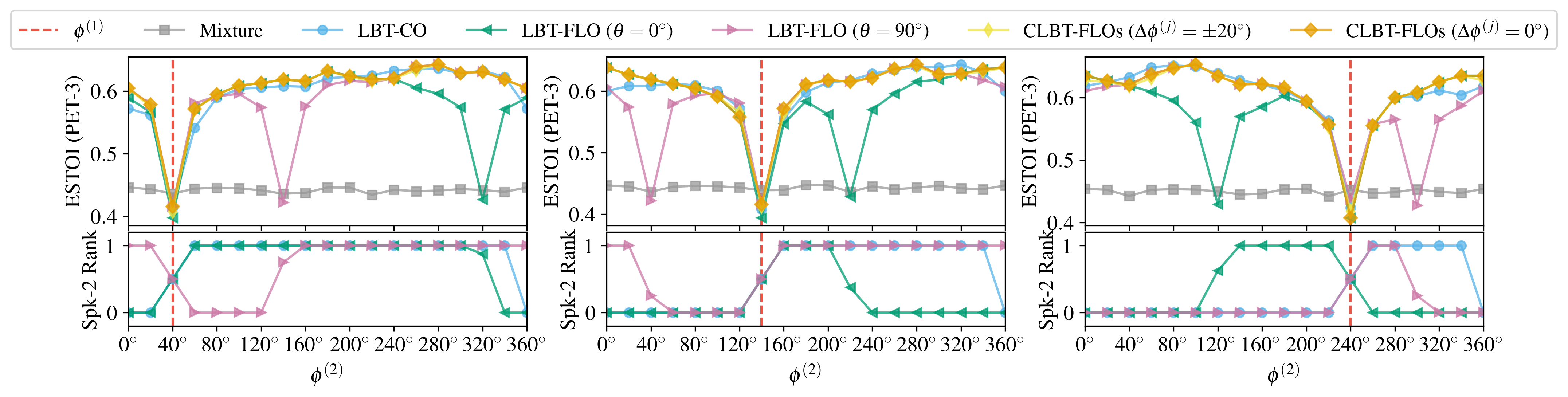
PET-3 array
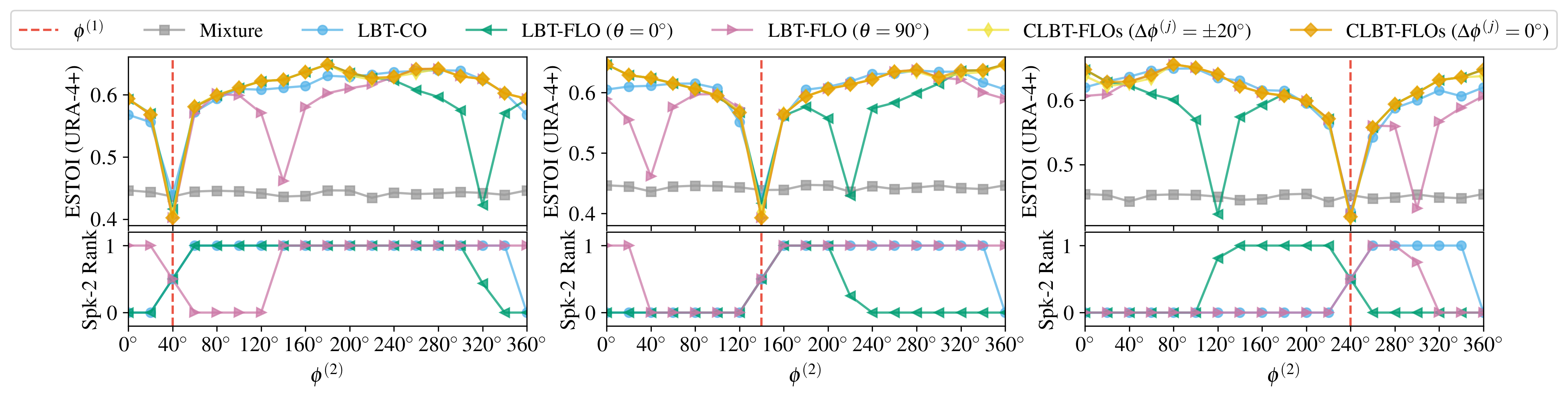
URA-4+ array
2. Location-based Speaker Ordering (Azimuth Swap, Reverberant)
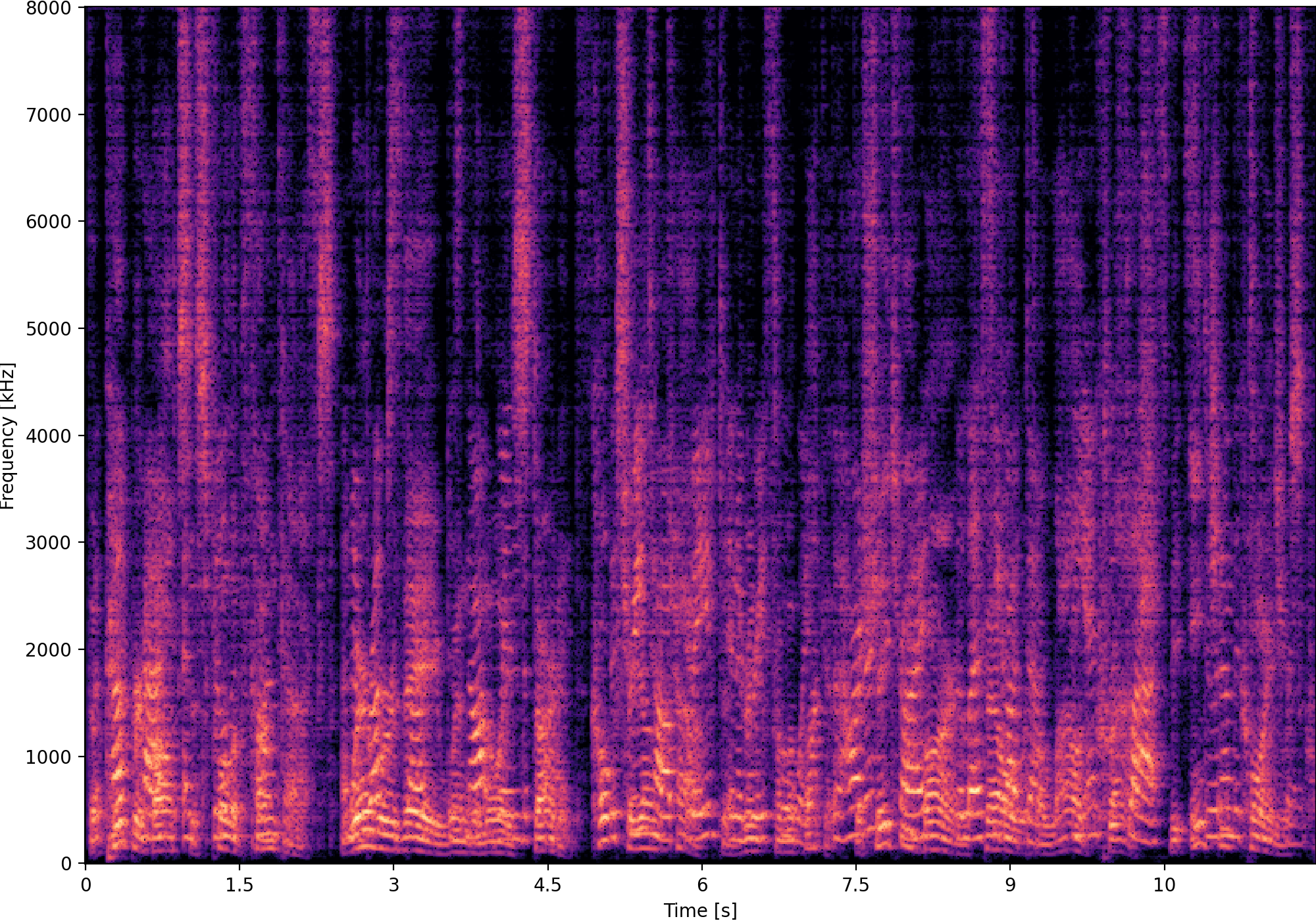
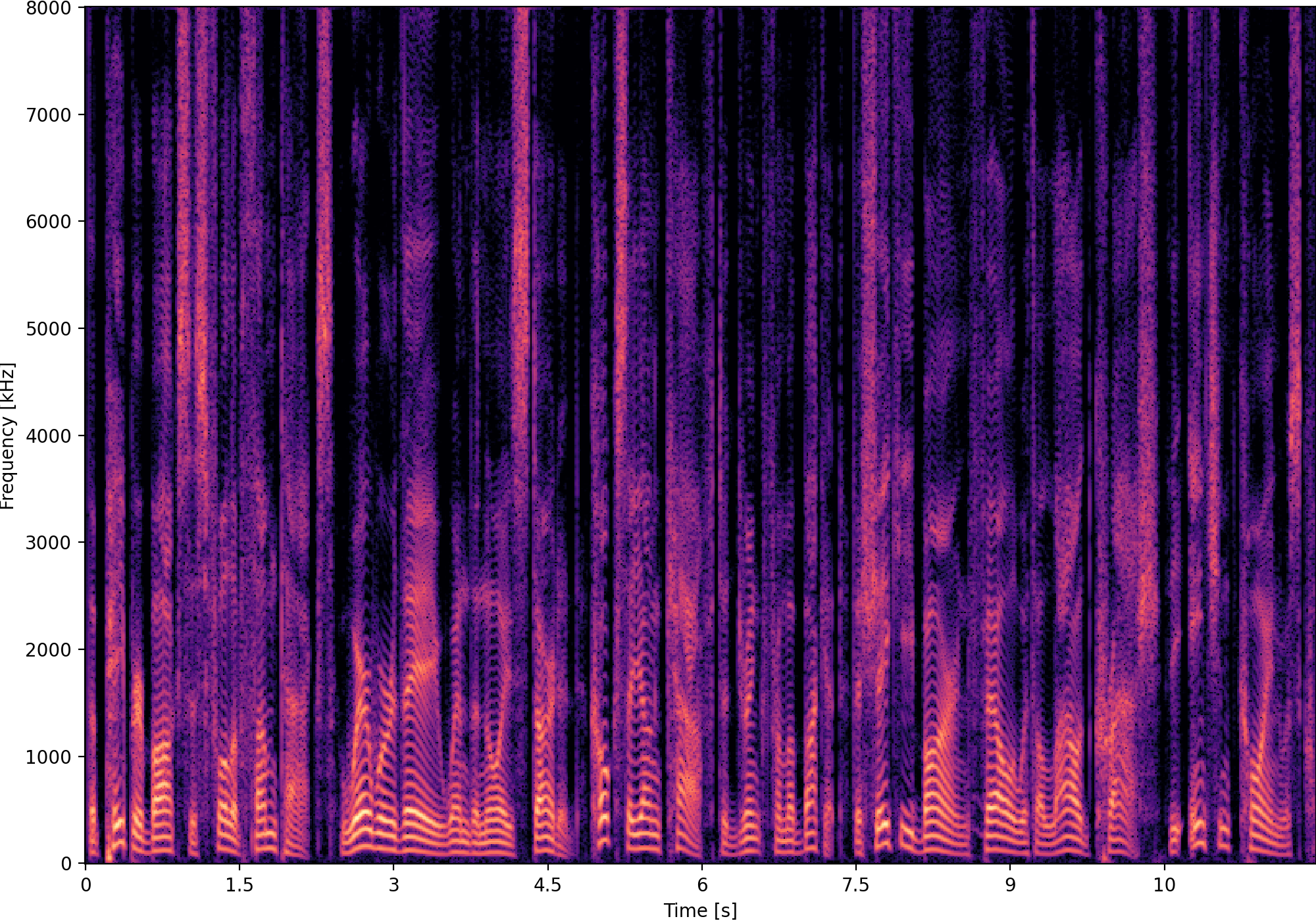
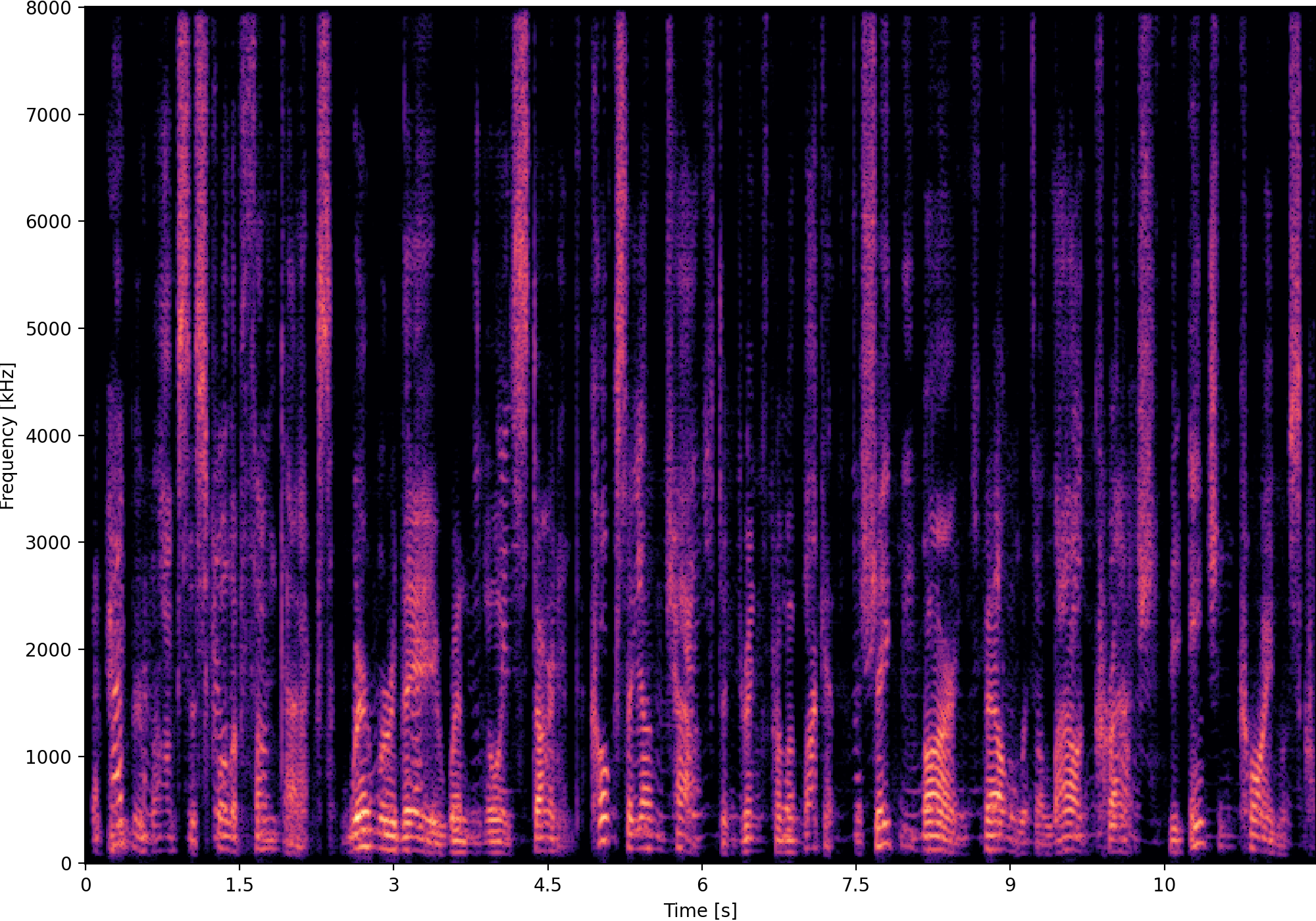
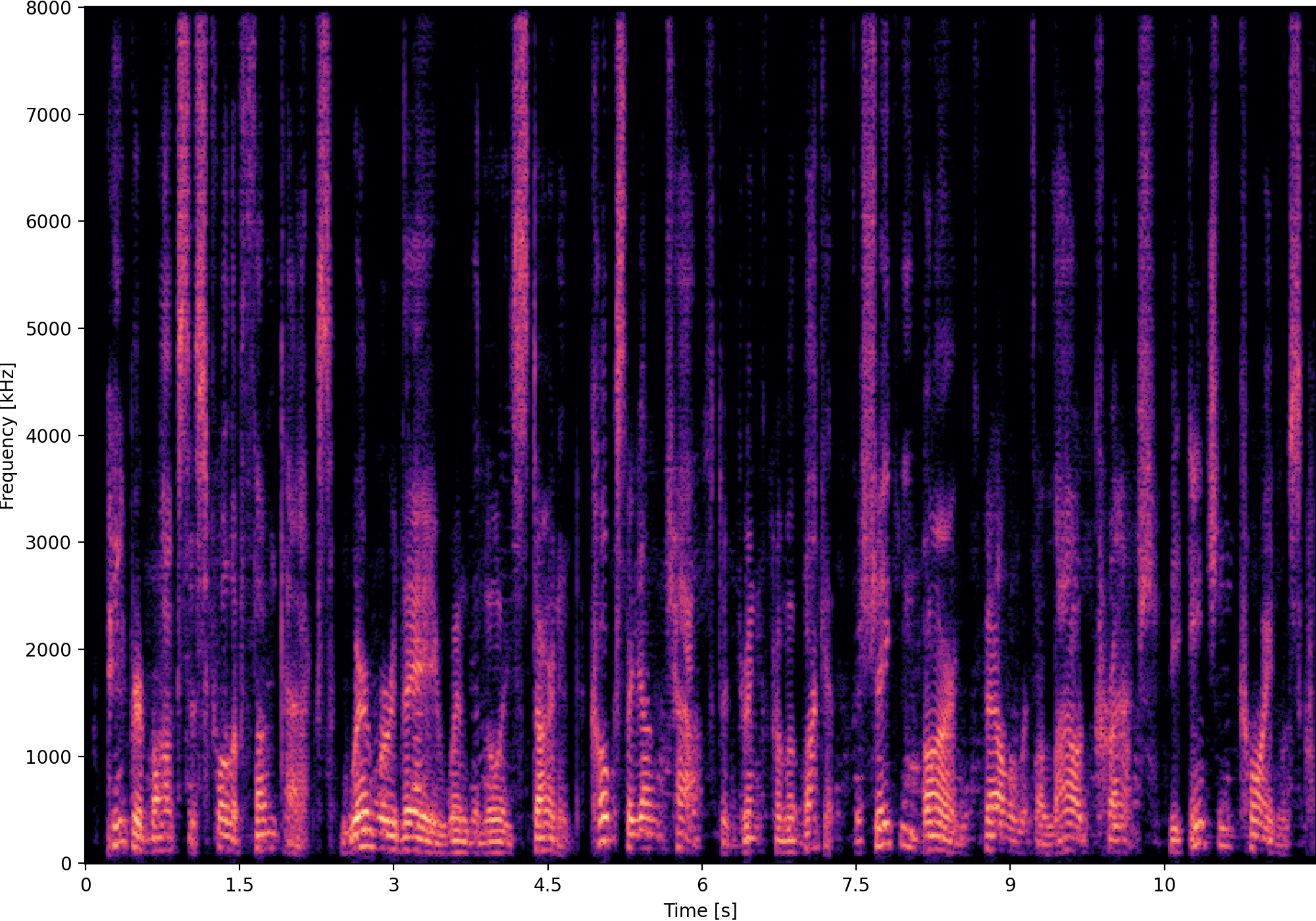
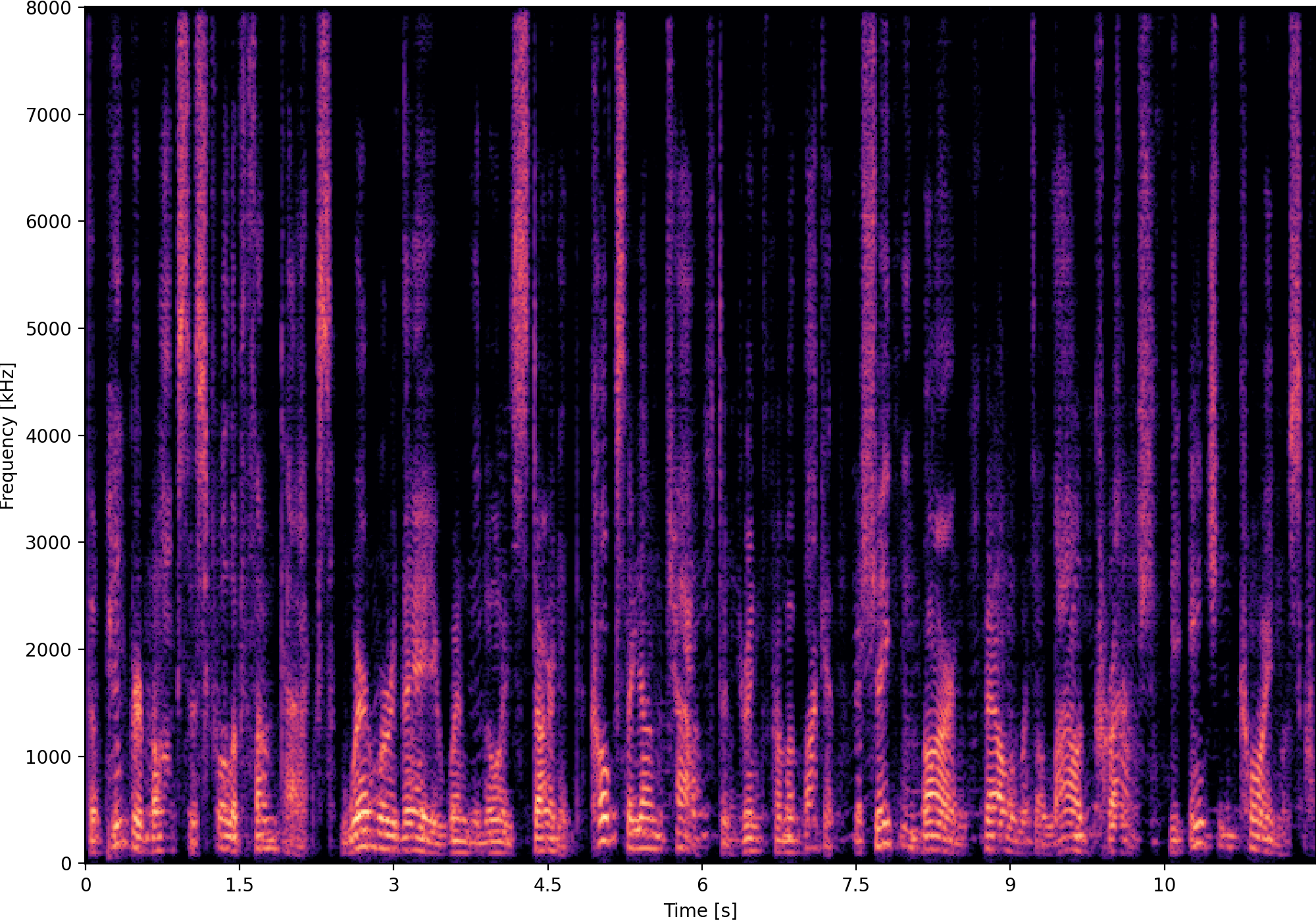
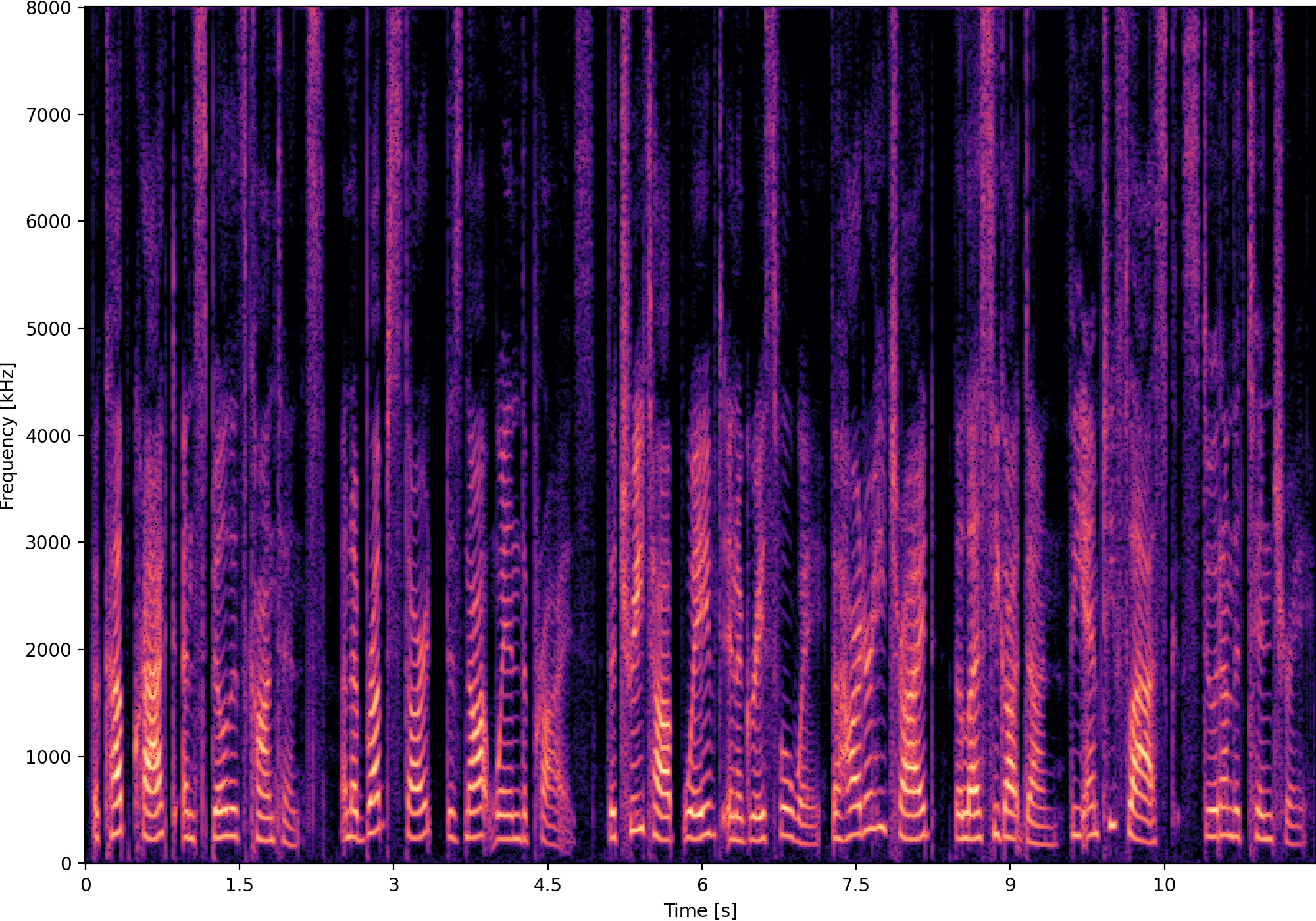
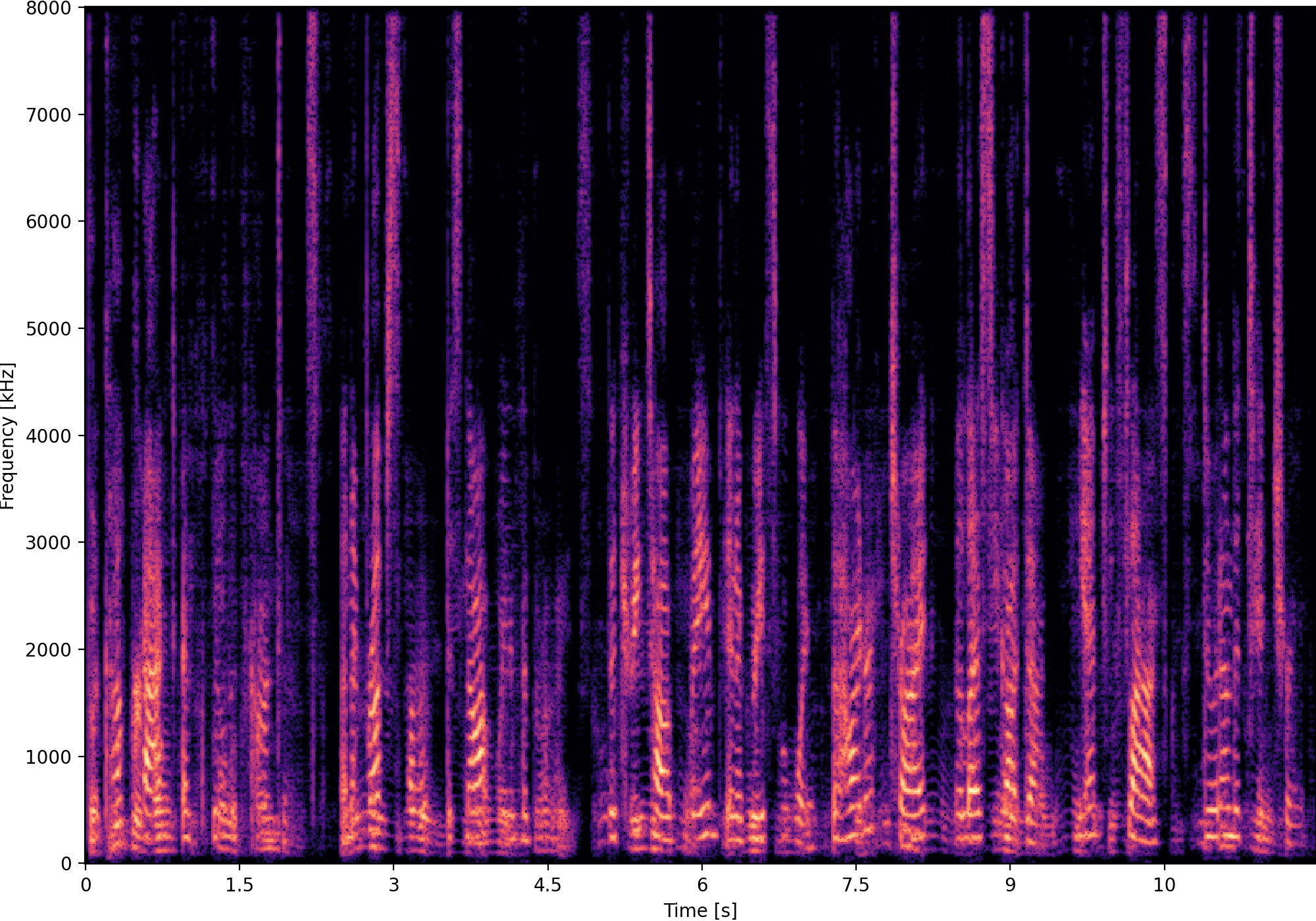
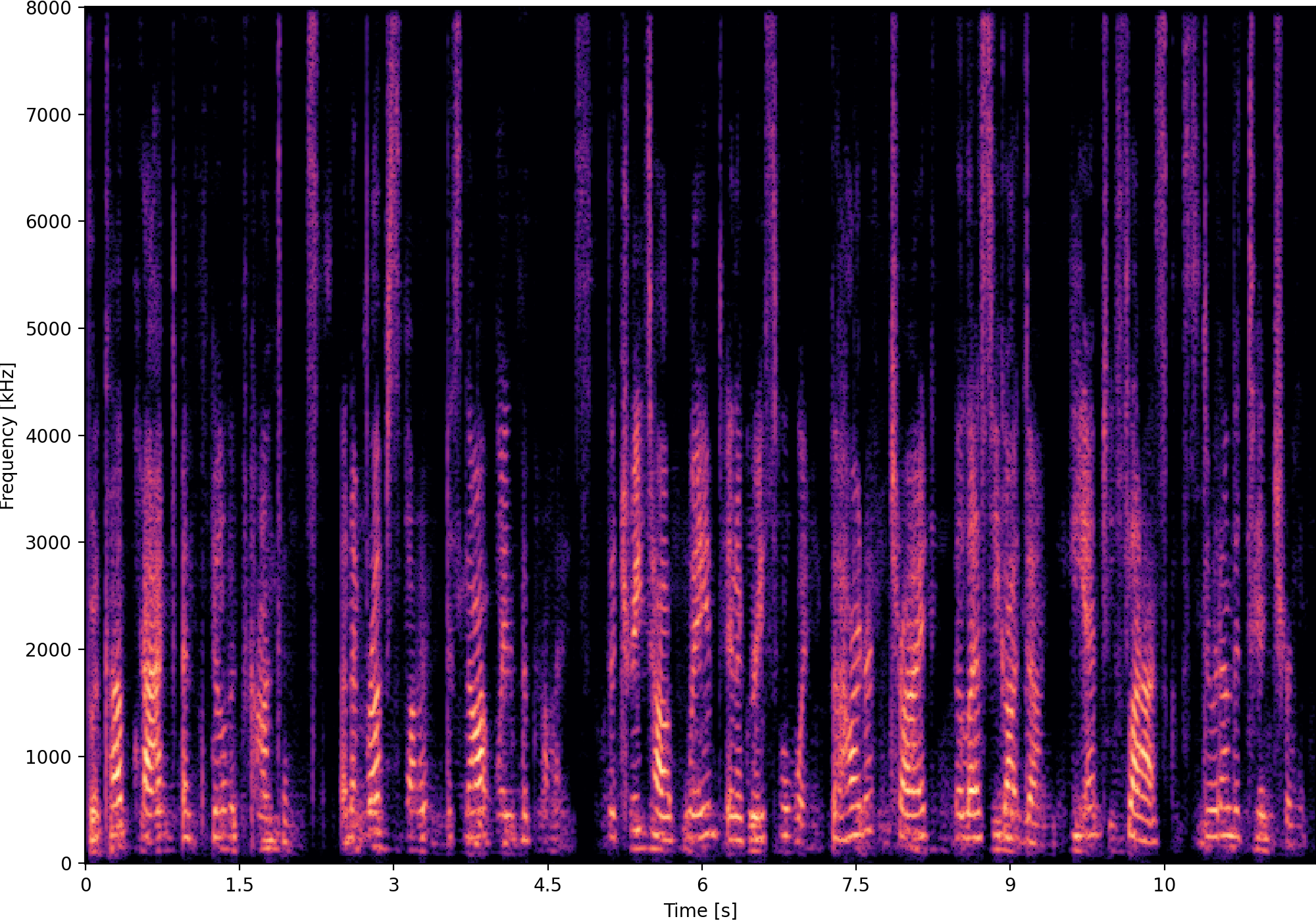
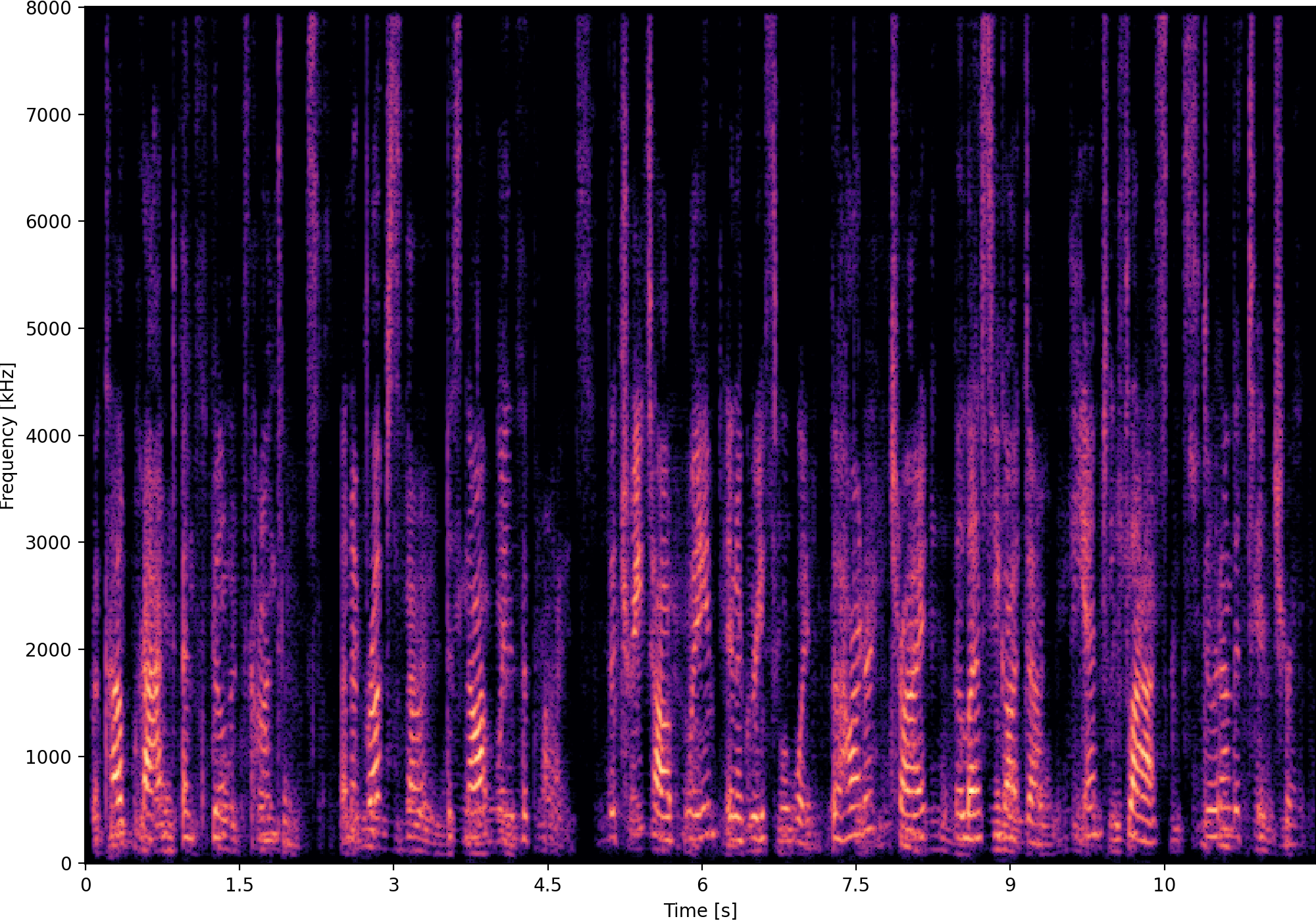
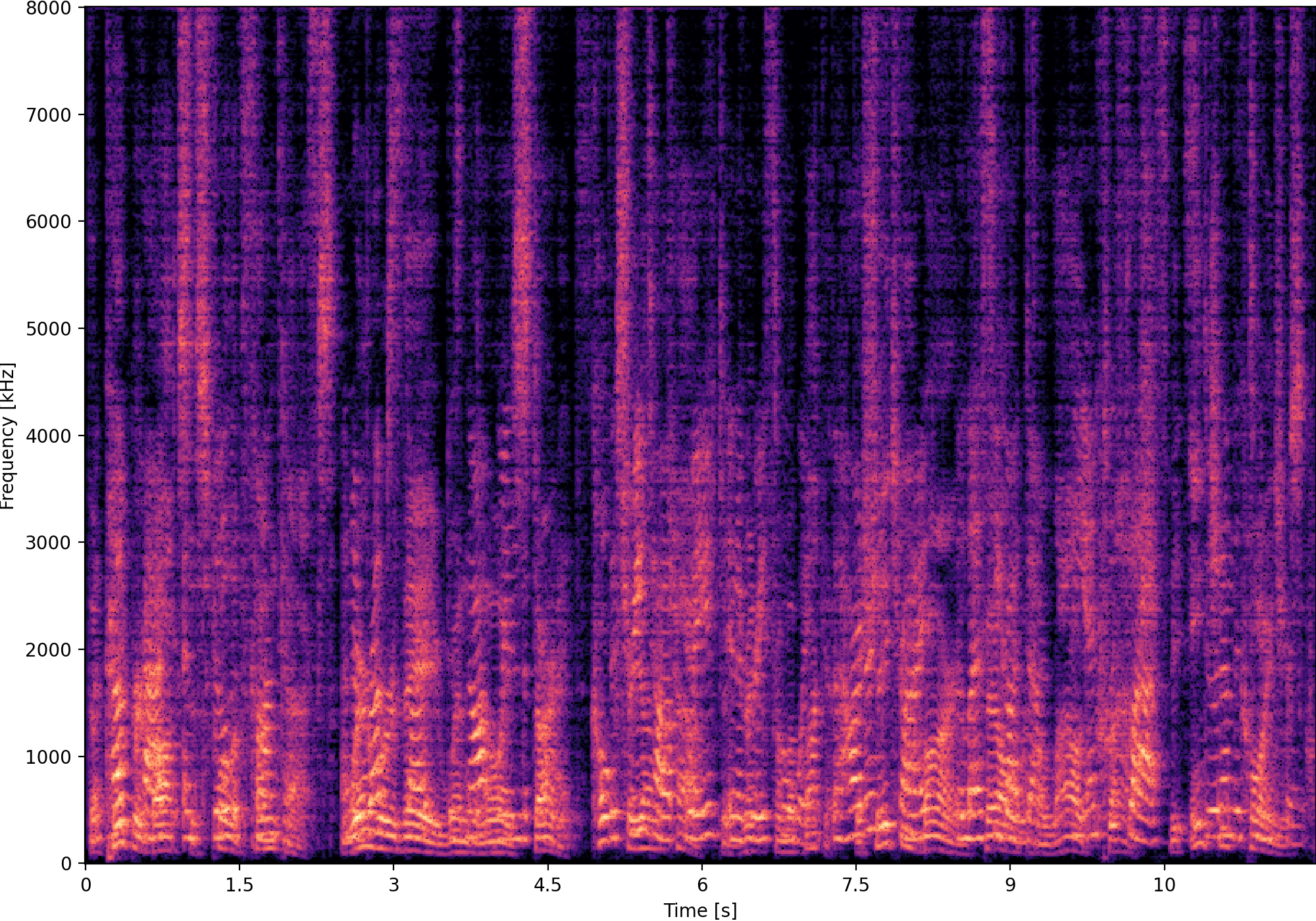
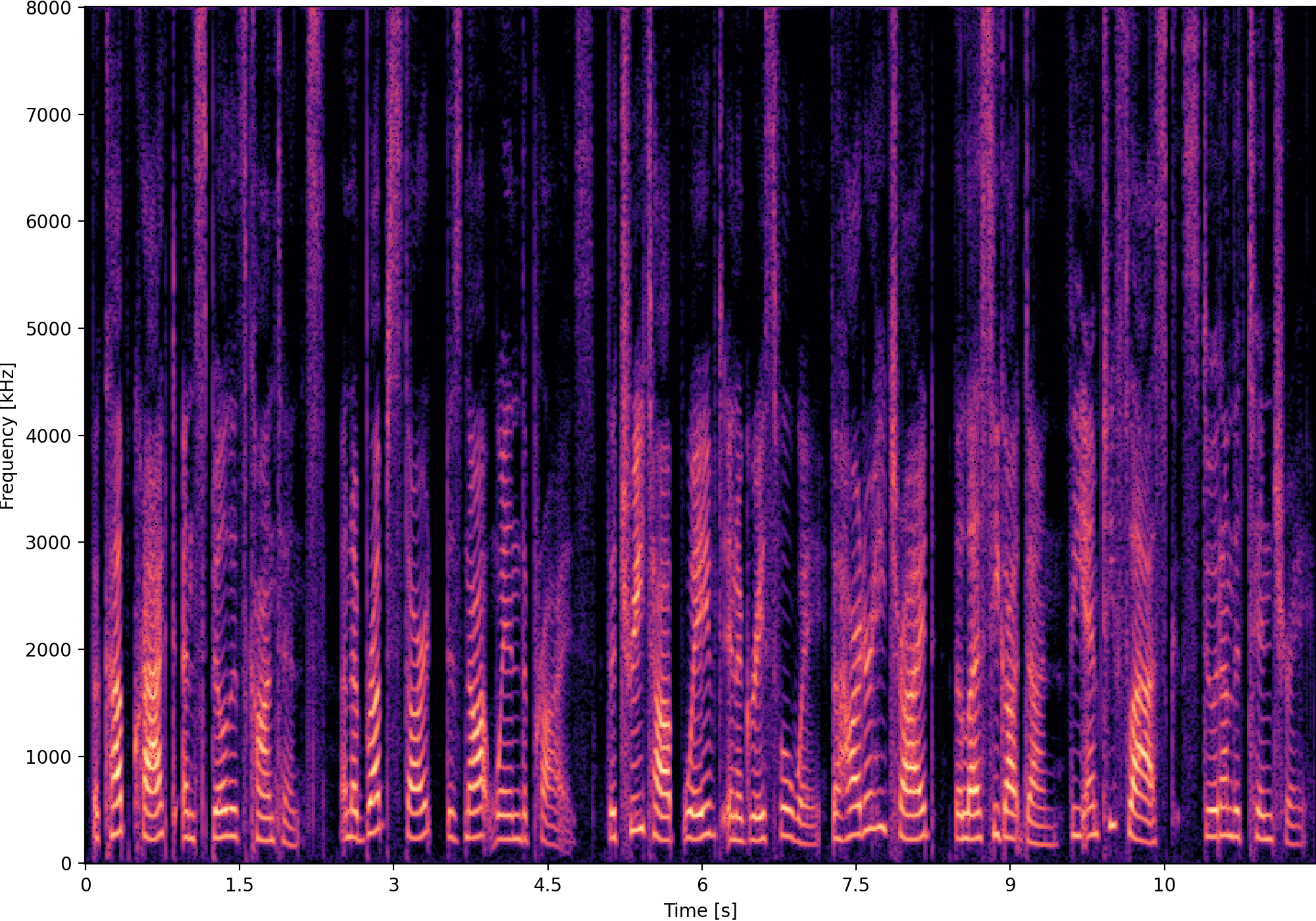
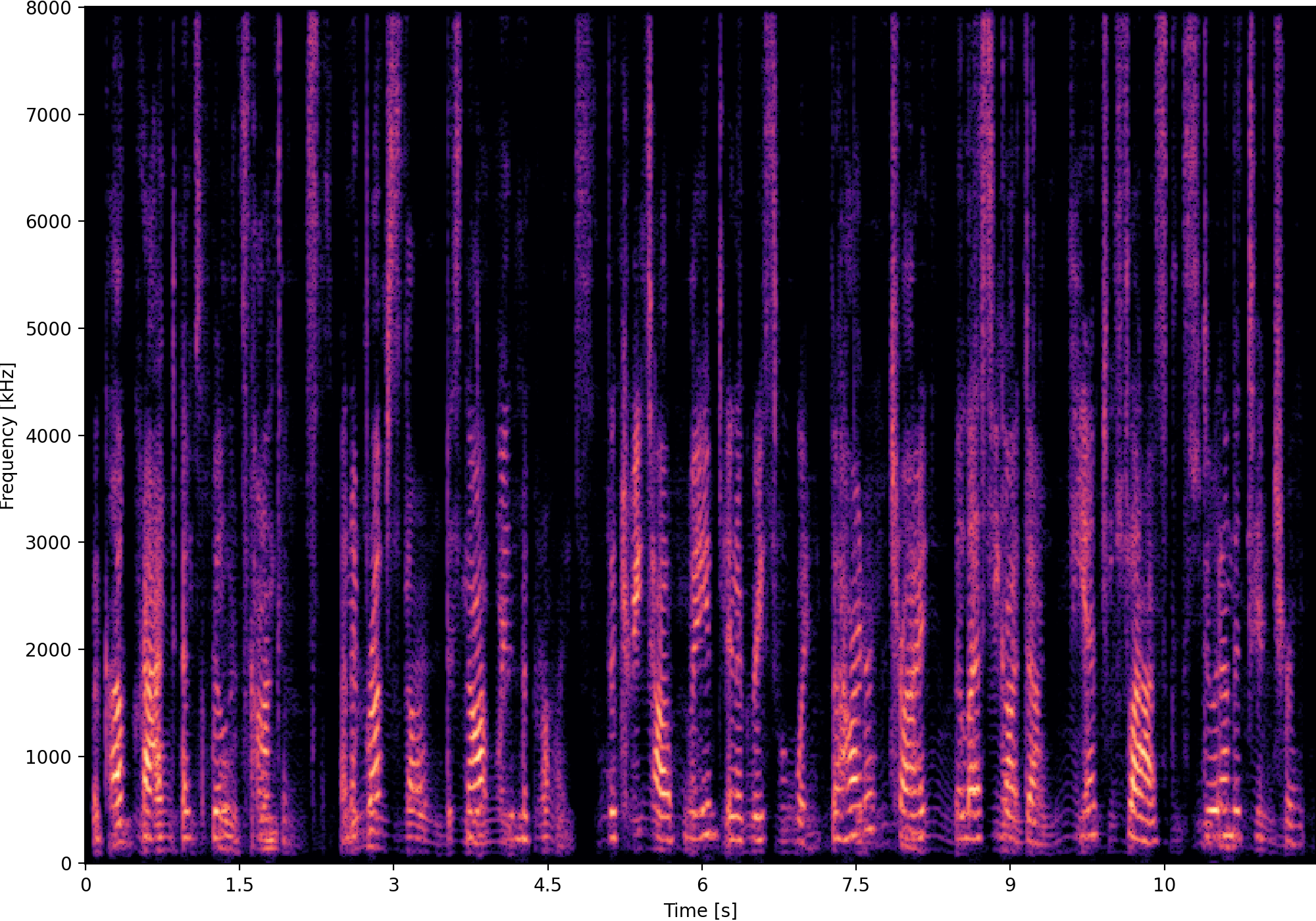
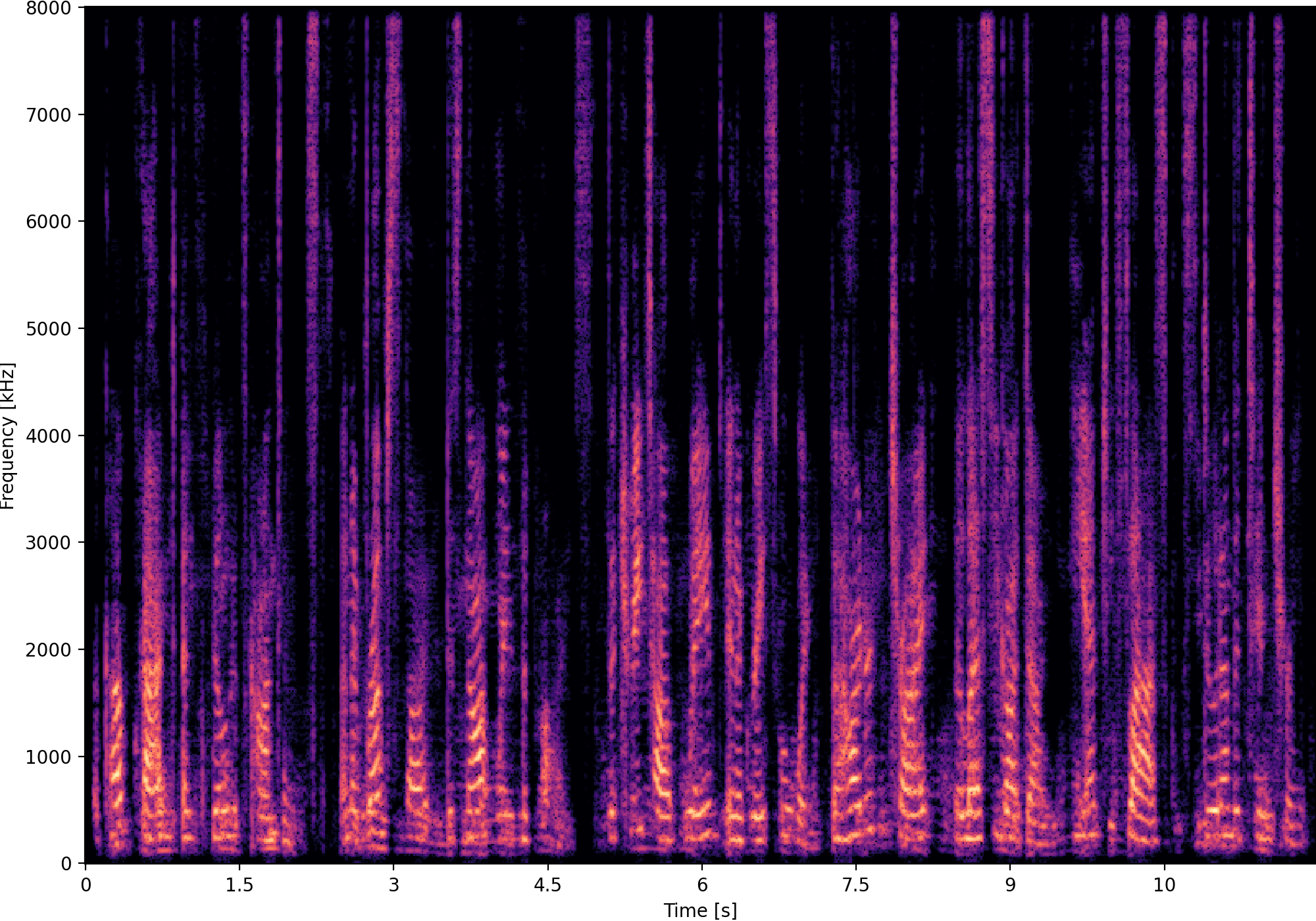
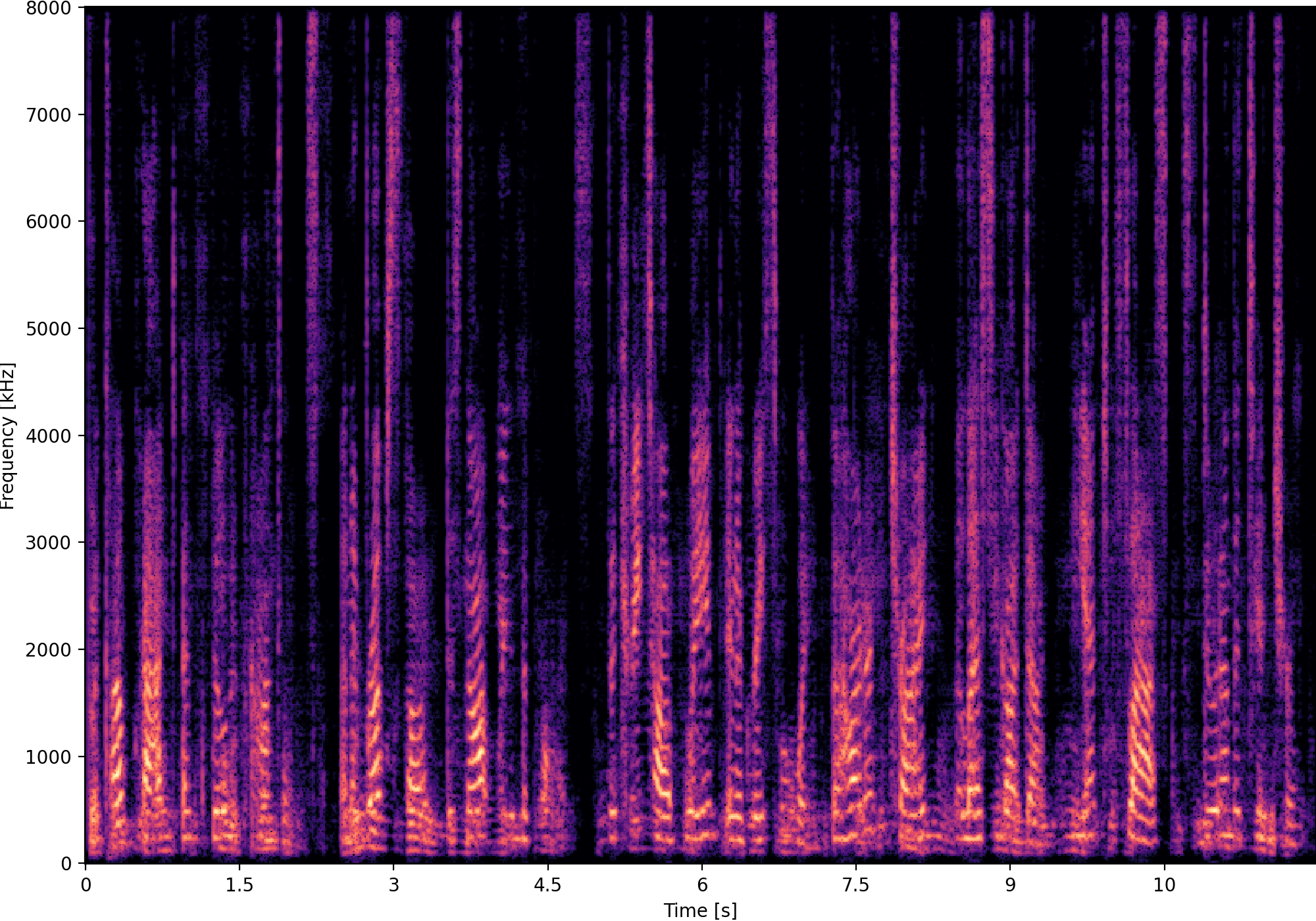
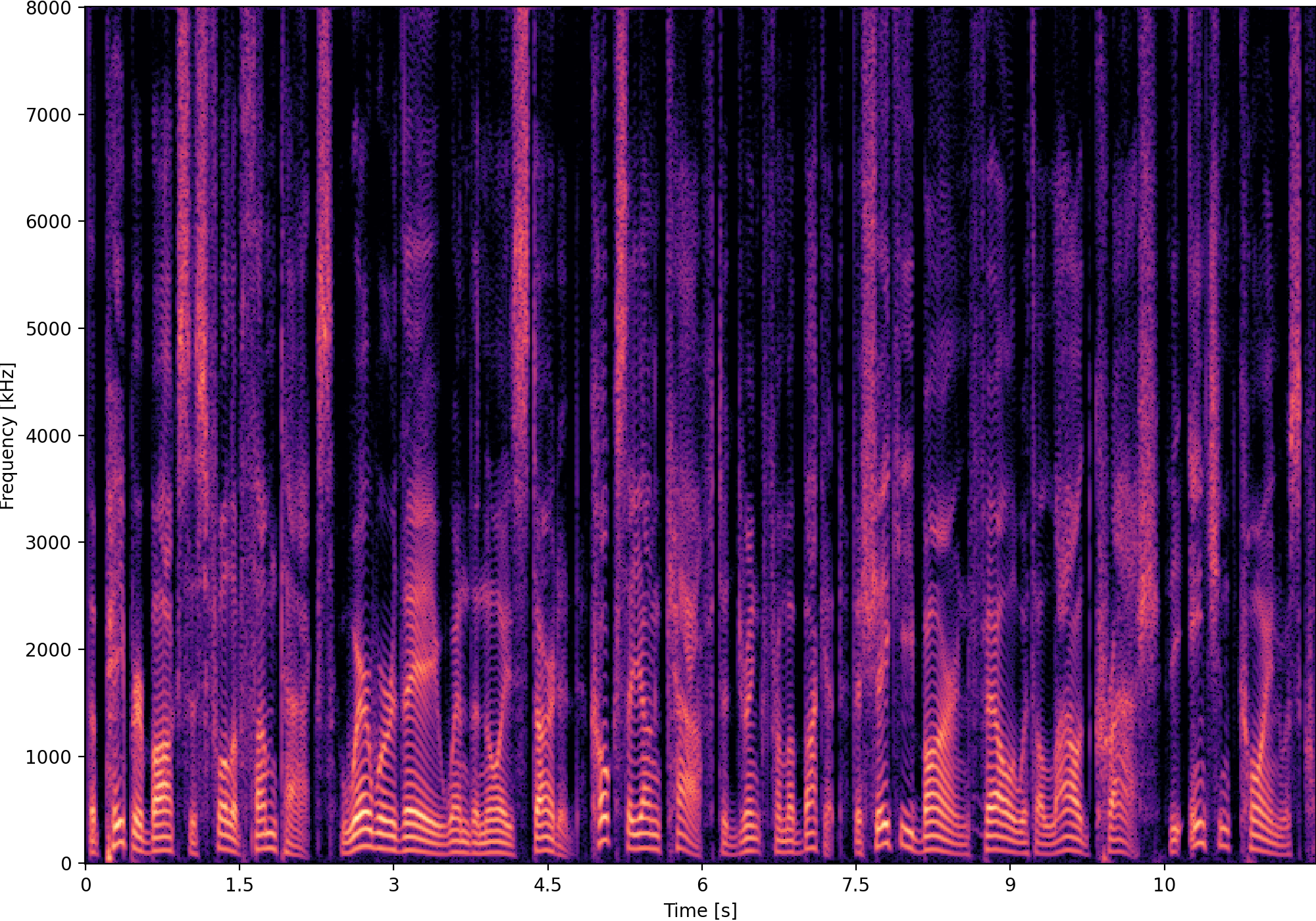
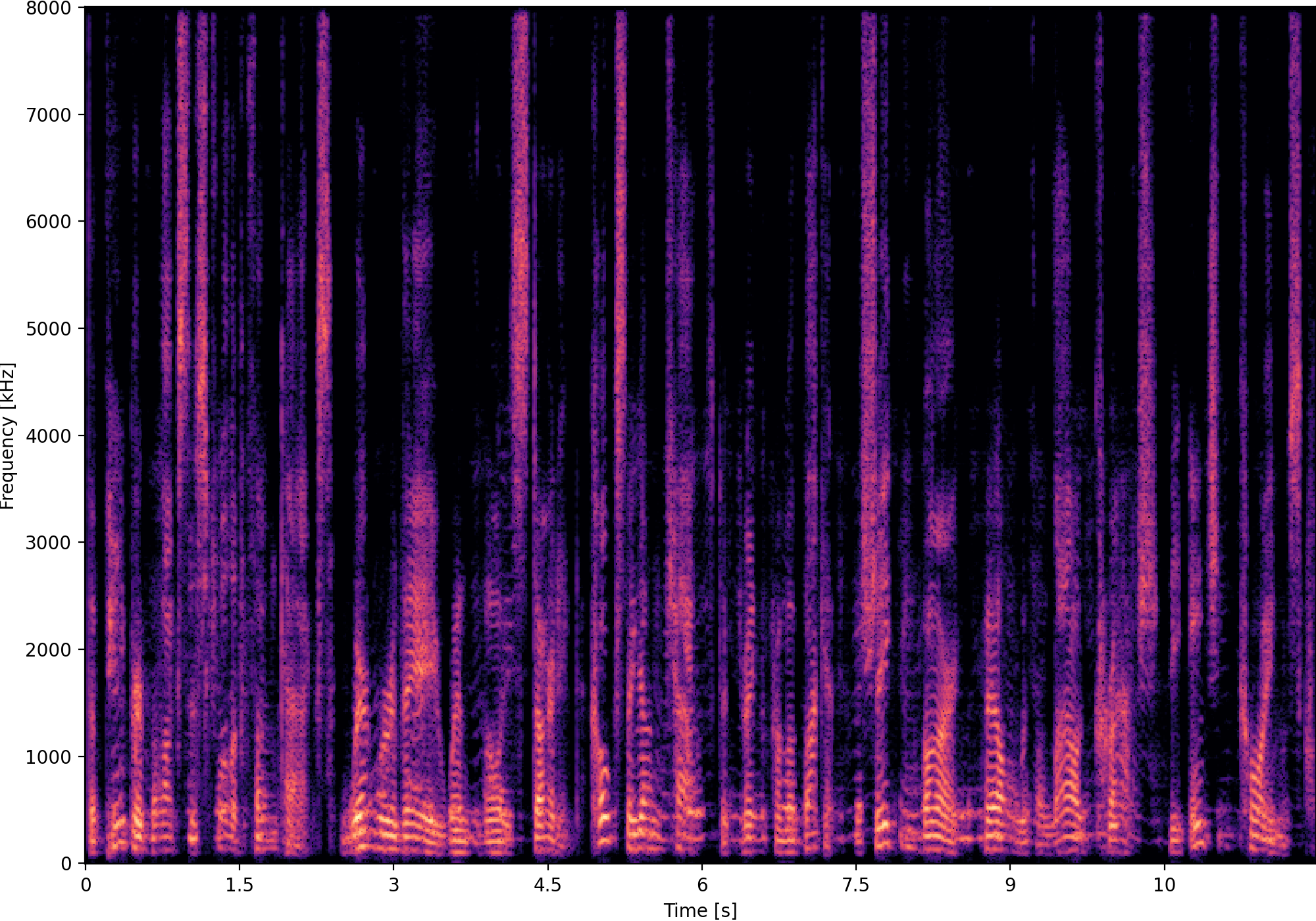
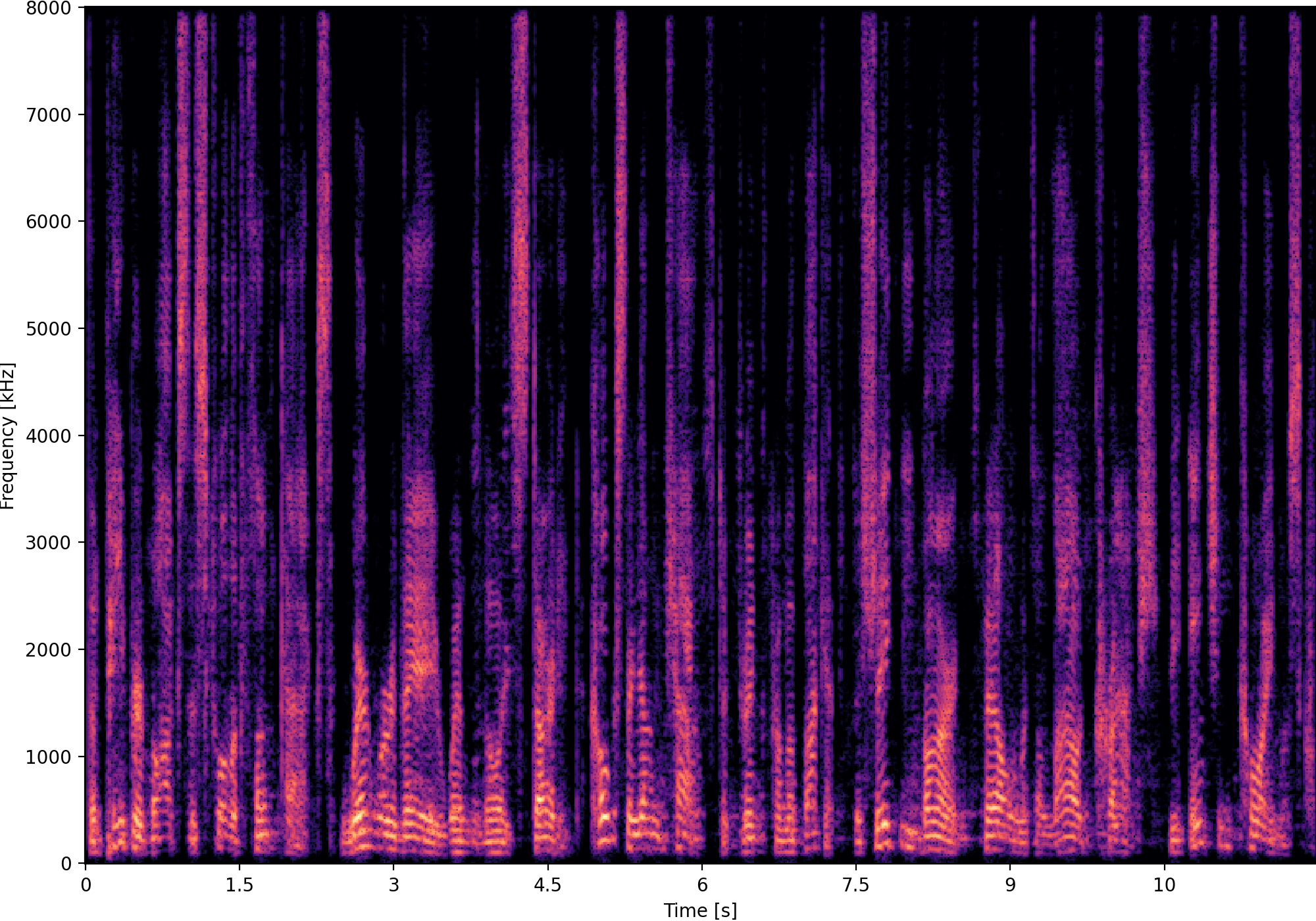
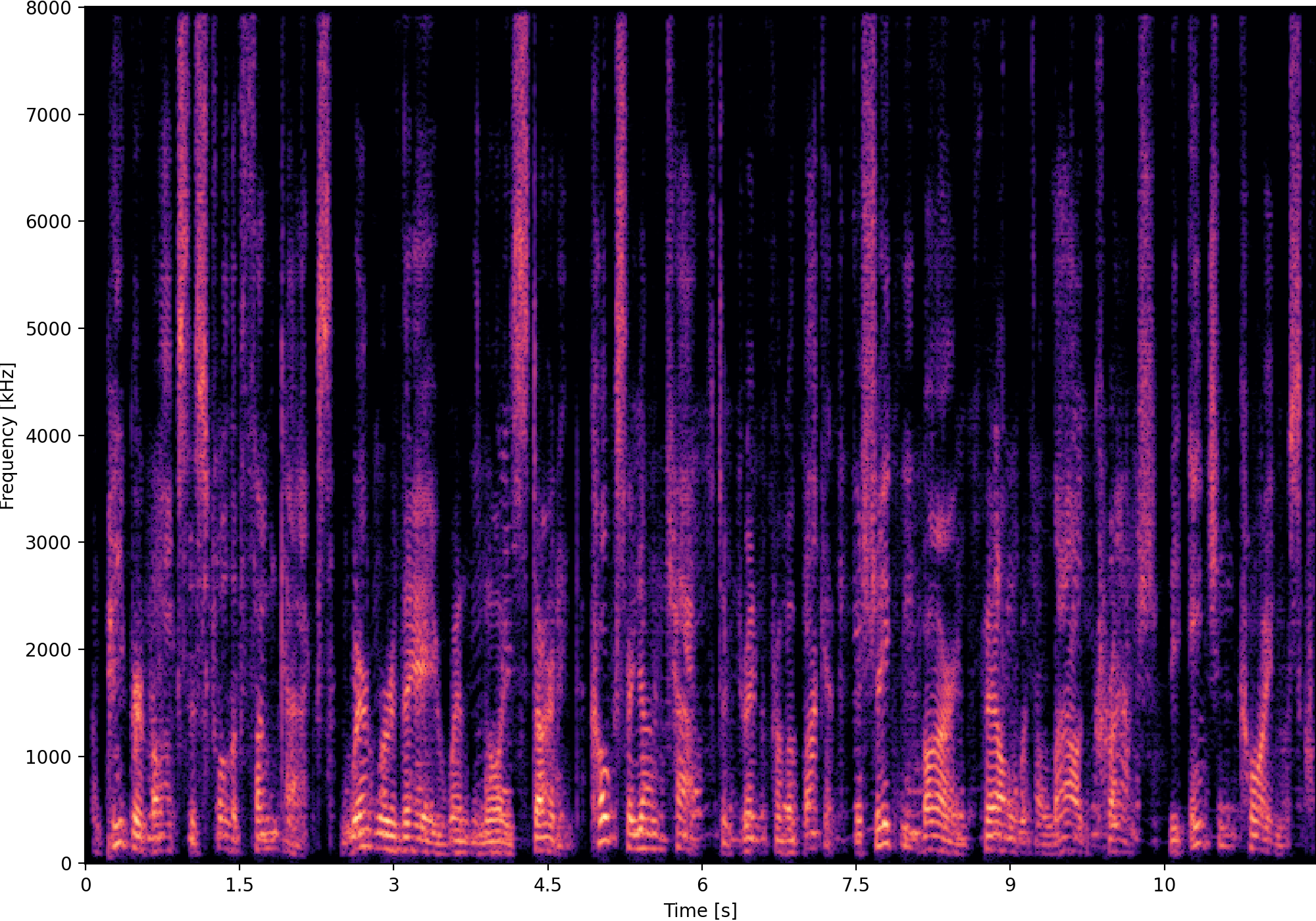
LBT assigns output channels by location. In 2.1 a male is at 0° and a female at 140°. In 2.2 the same utterances are placed at swapped azimuths. Array: PET-3; room: Simulated reverberant room (RT60=0.60s).
What to hear. After the swap, Speaker 1 should become the female at 0° and Speaker 2 the male at 140°. Compare the starred LBT-FLO (θ = 0°) with LBT-CO for speech quality and intelligibility. Listen for residual crosstalk (the other talker leaking into a channel), identity swaps between output channels.
| Mixture | Ground Truth | LBT-CO (Baseline) | LBT-FLO (θ = 0°) ★ | LBT-FLO (θ = 90°) |
|---|---|---|---|---|
Mixture
|
Speaker 1
|
Speaker 1 (PET-3)
|
Speaker 1 (PET-3)
|
Speaker 1 (PET-3)
|
Speaker 2
|
Speaker 2 (PET-3)
|
Speaker 2 (PET-3)
|
Speaker 2 (PET-3)
|
| Mixture | Ground Truth | LBT-CO (Baseline) | LBT-FLO (θ = 0°) ★ | LBT-FLO (θ = 90°) |
|---|---|---|---|---|
Mixture
|
Speaker 1
|
Speaker 1 (PET-3)
|
Speaker 1 (PET-3)
|
Speaker 1 (PET-3)
|
Speaker 2
|
Speaker 2 (PET-3)
|
Speaker 2 (PET-3)
|
Speaker 2 (PET-3)
|
3. Complementary LBT-FLO Selection in Anechoic Conditions
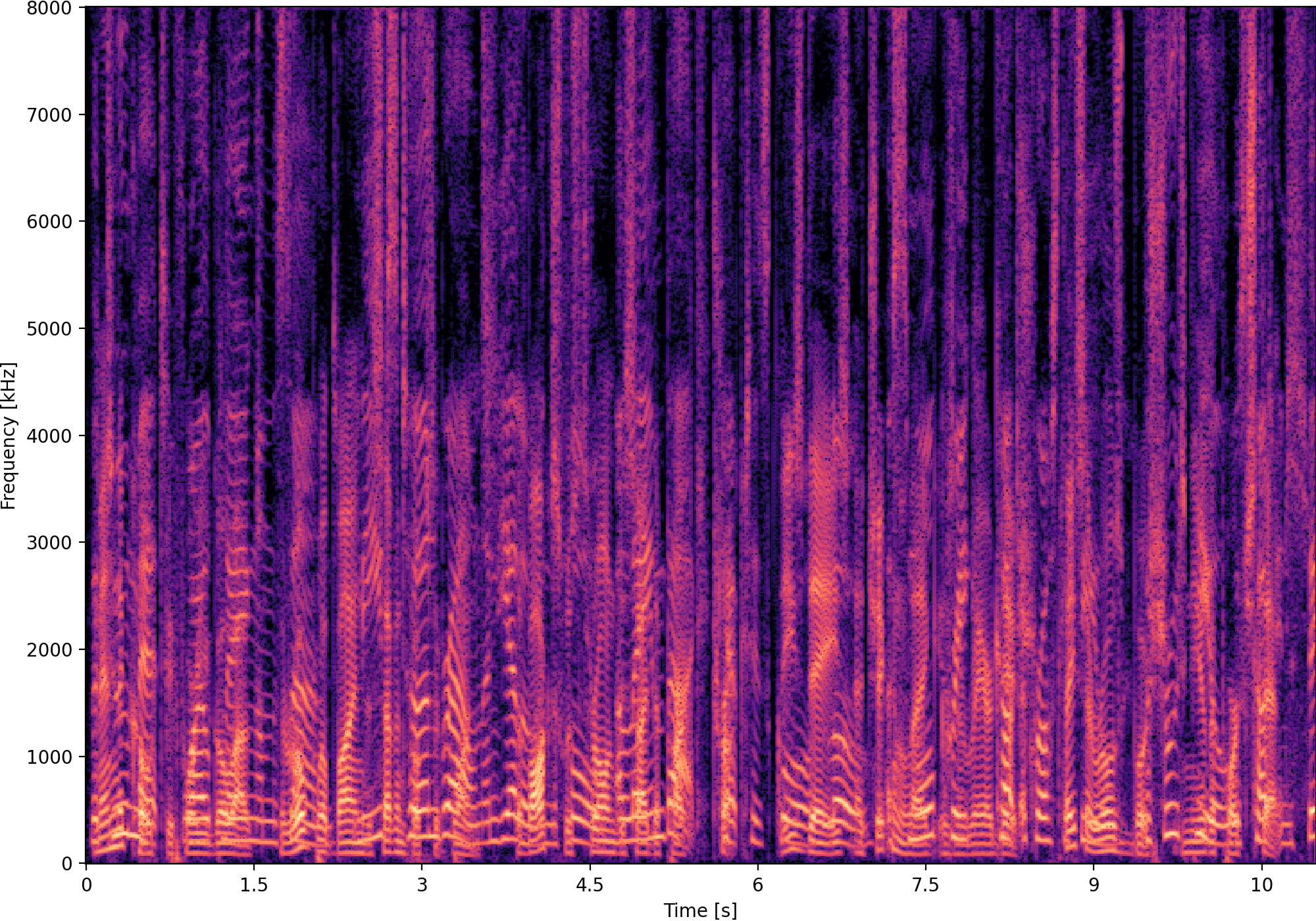
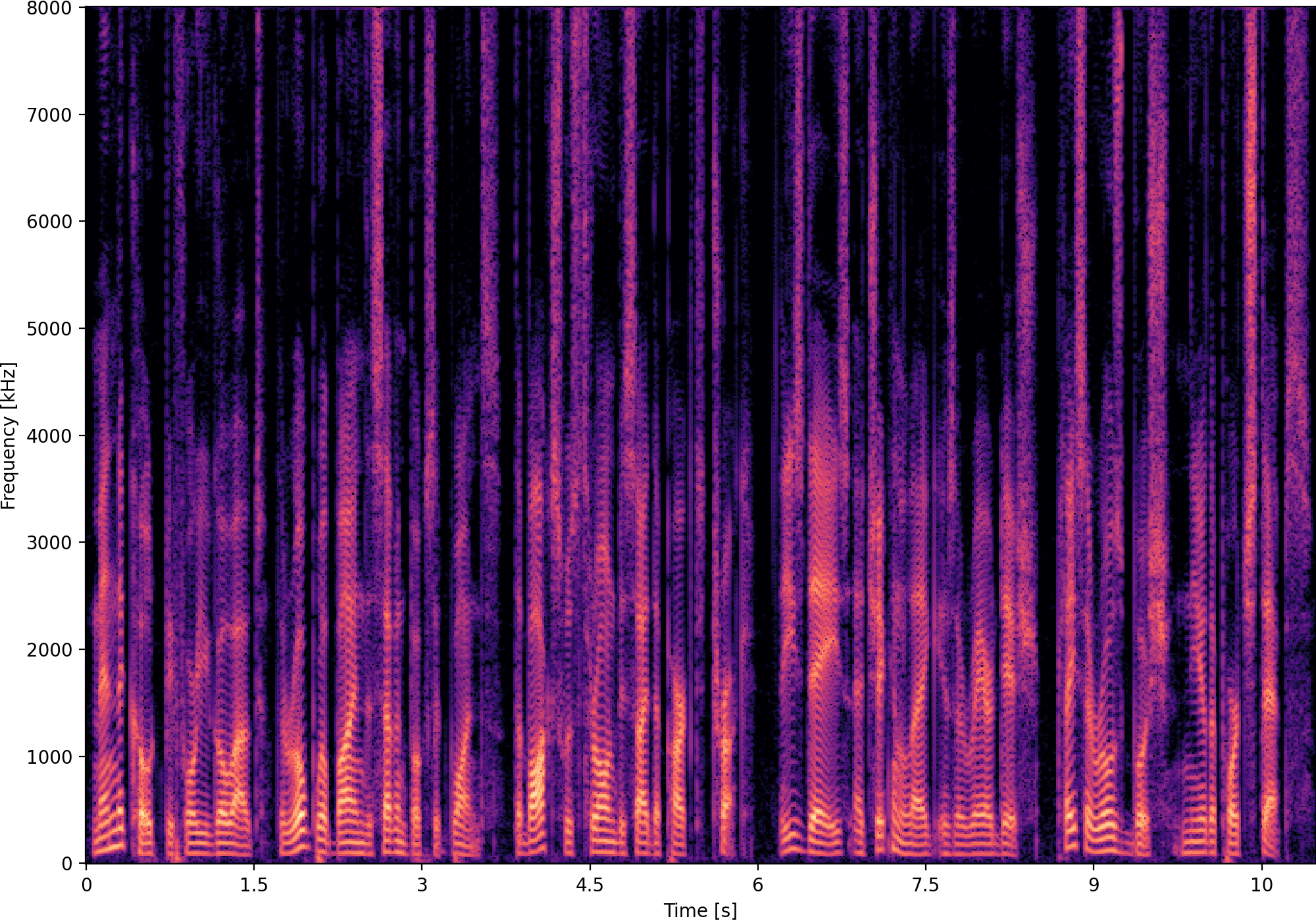
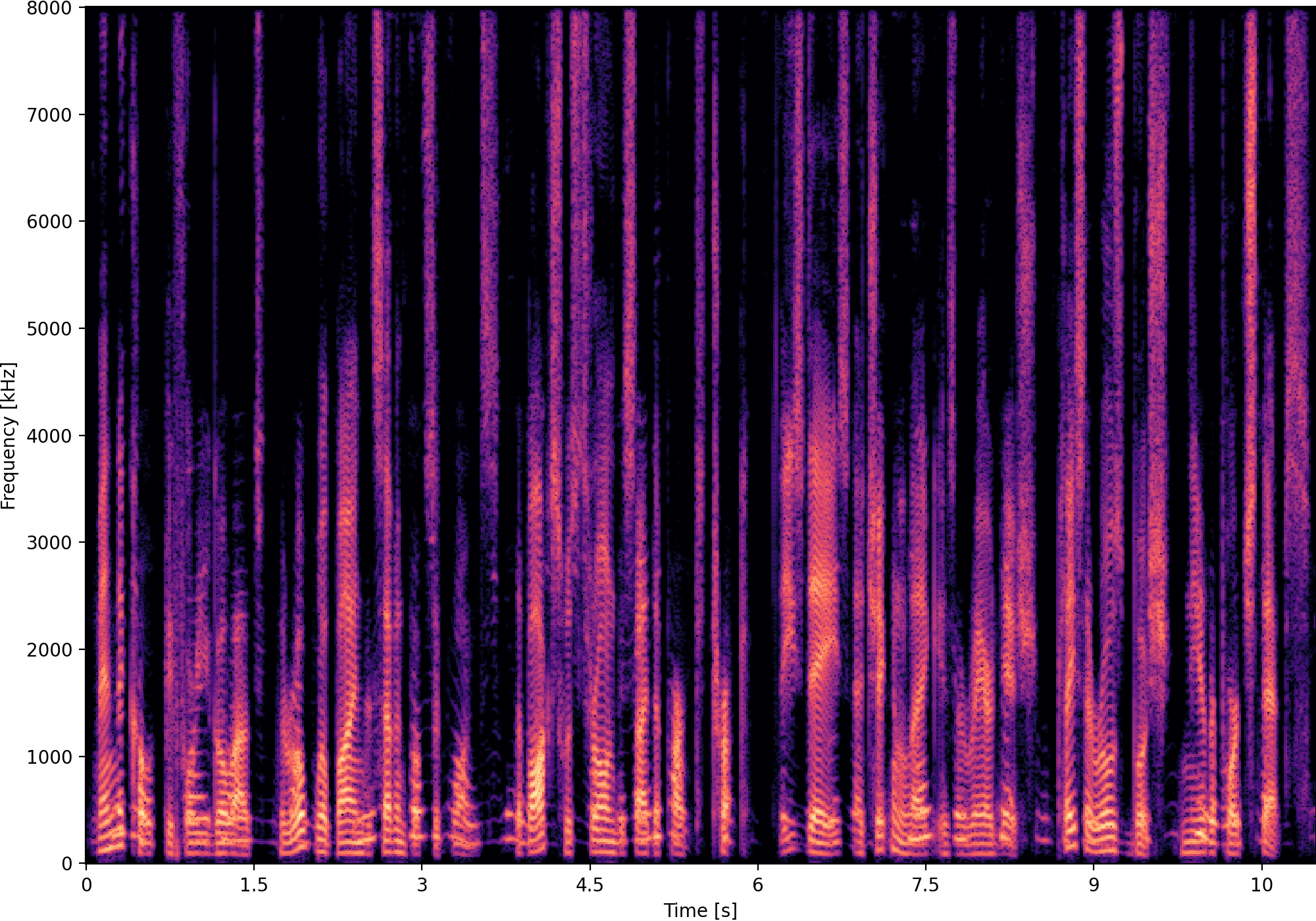
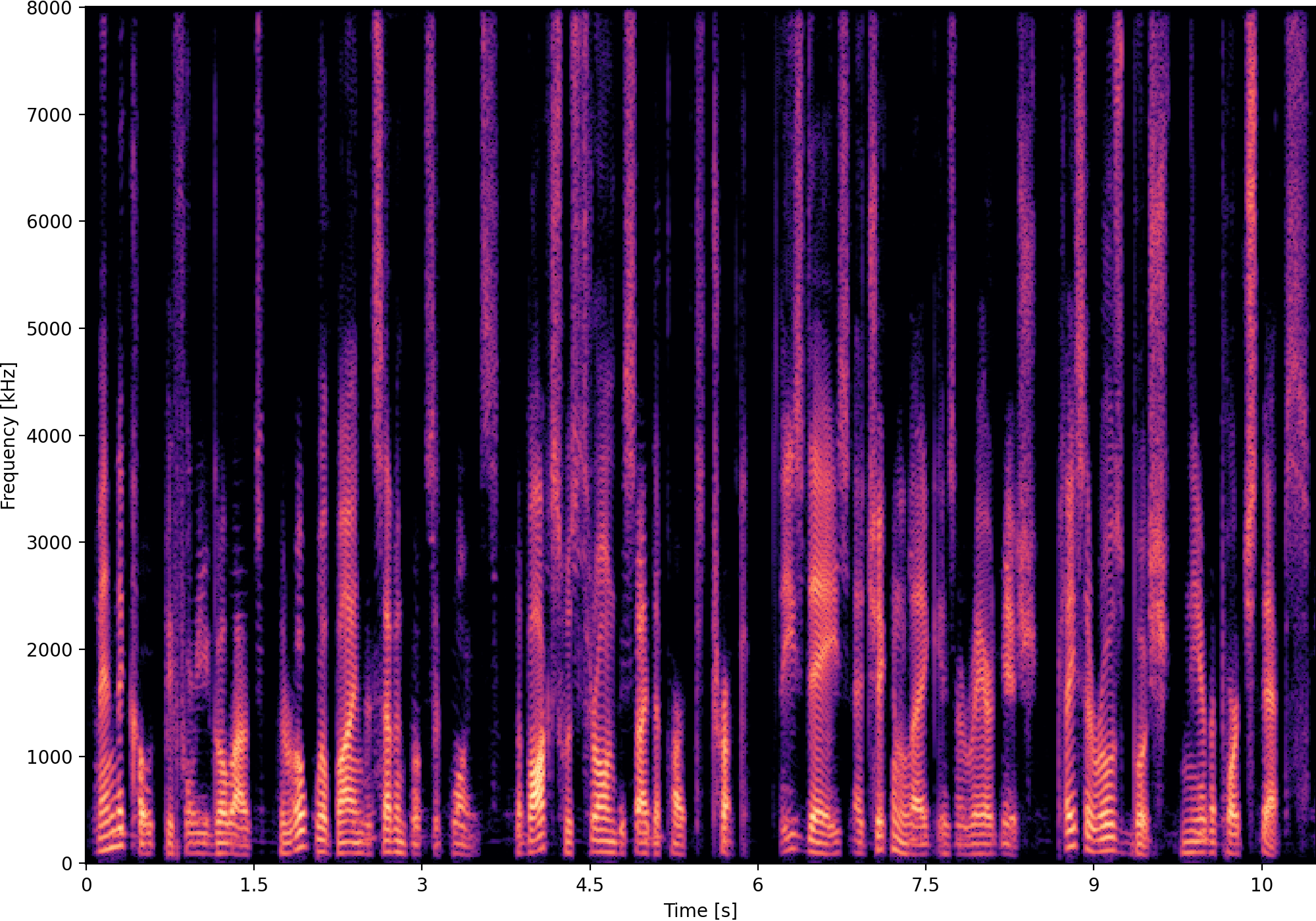
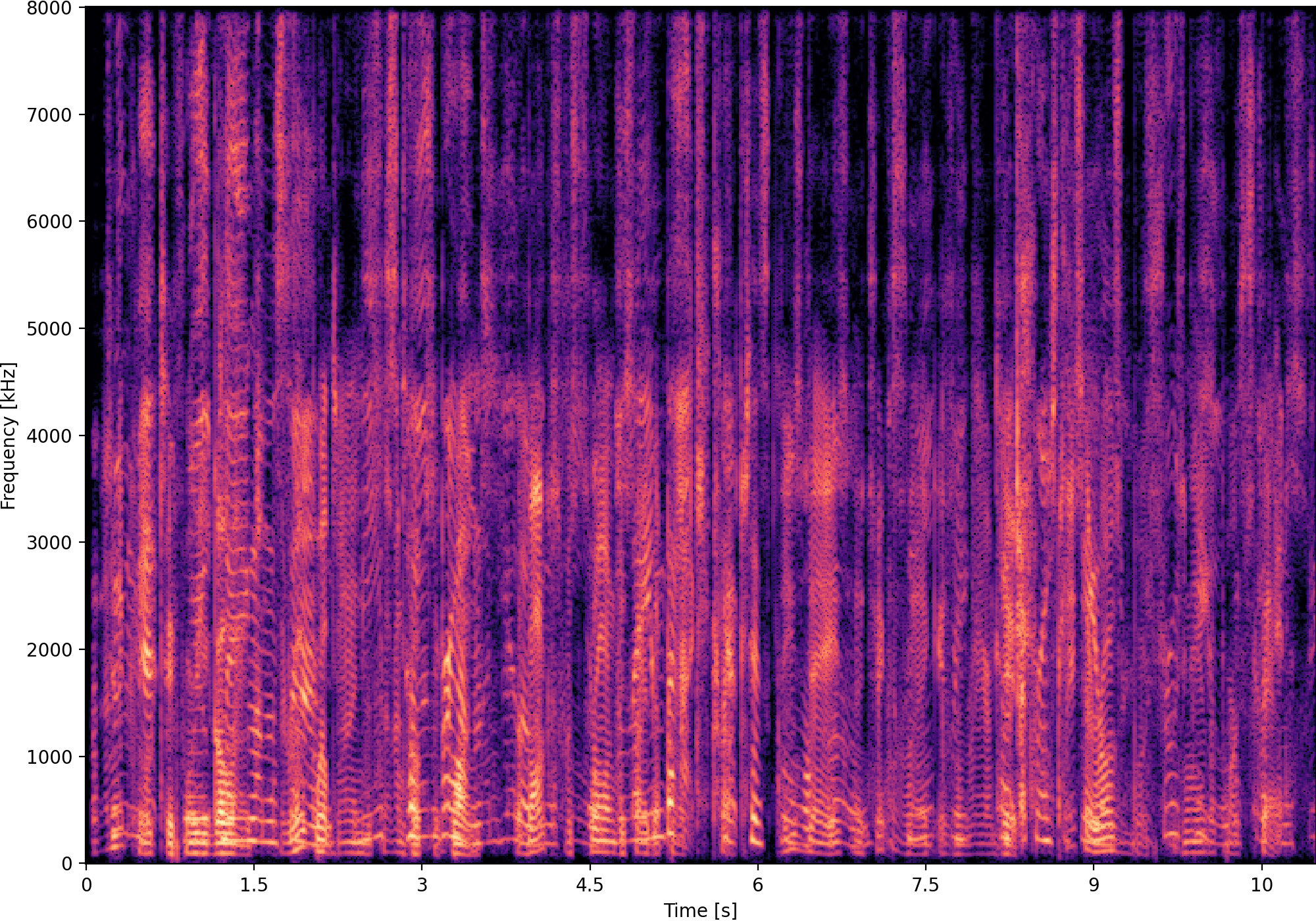
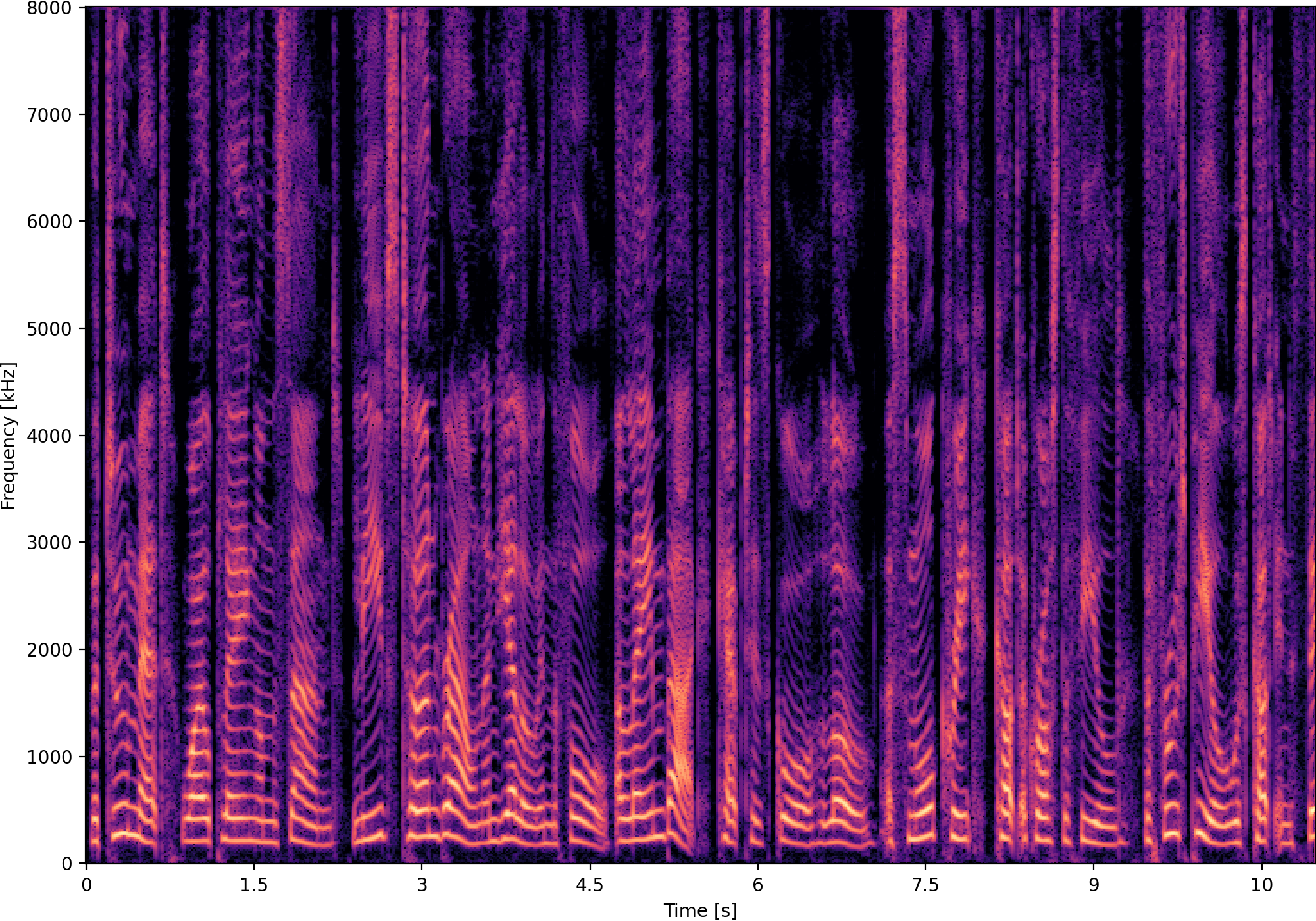
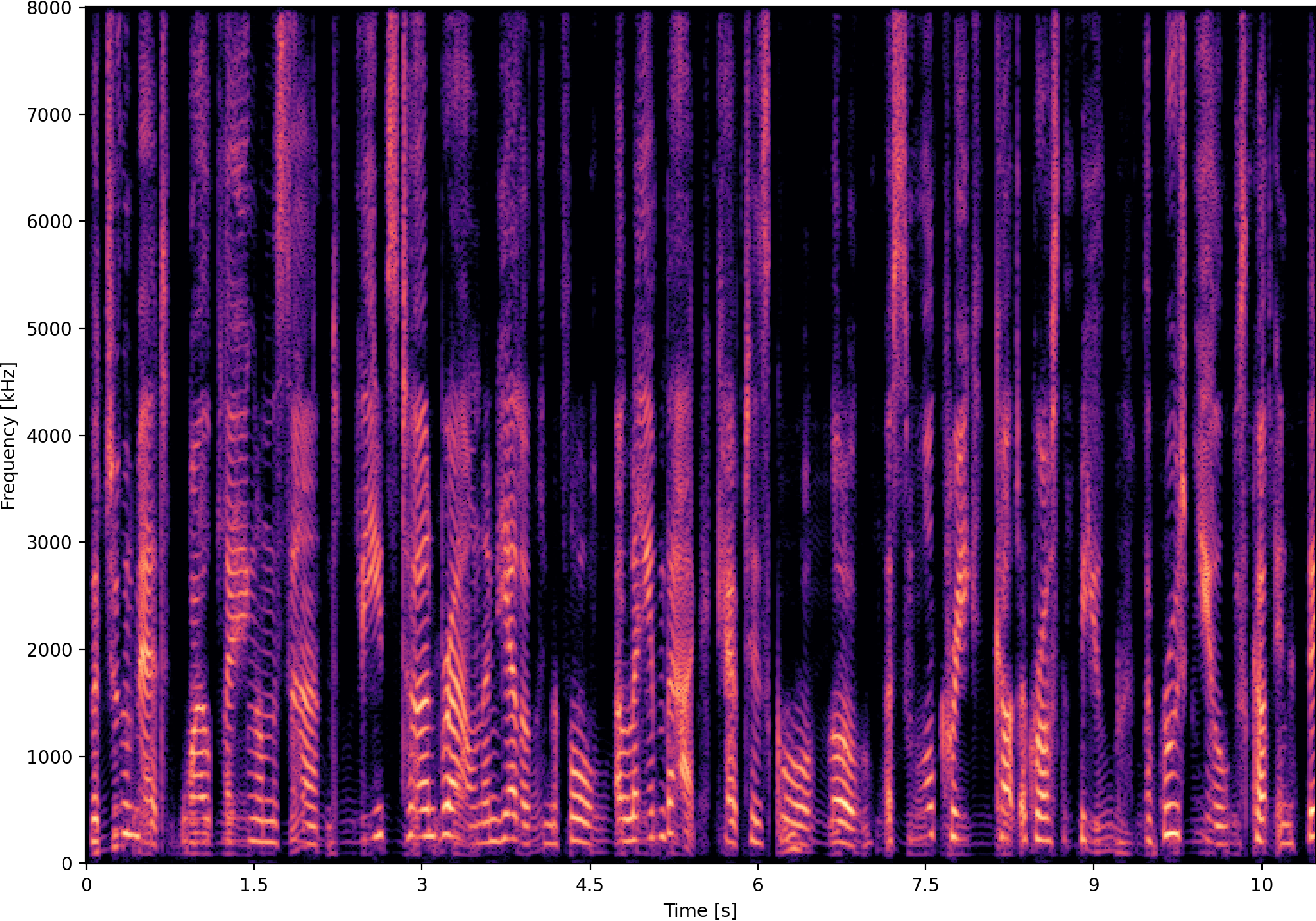
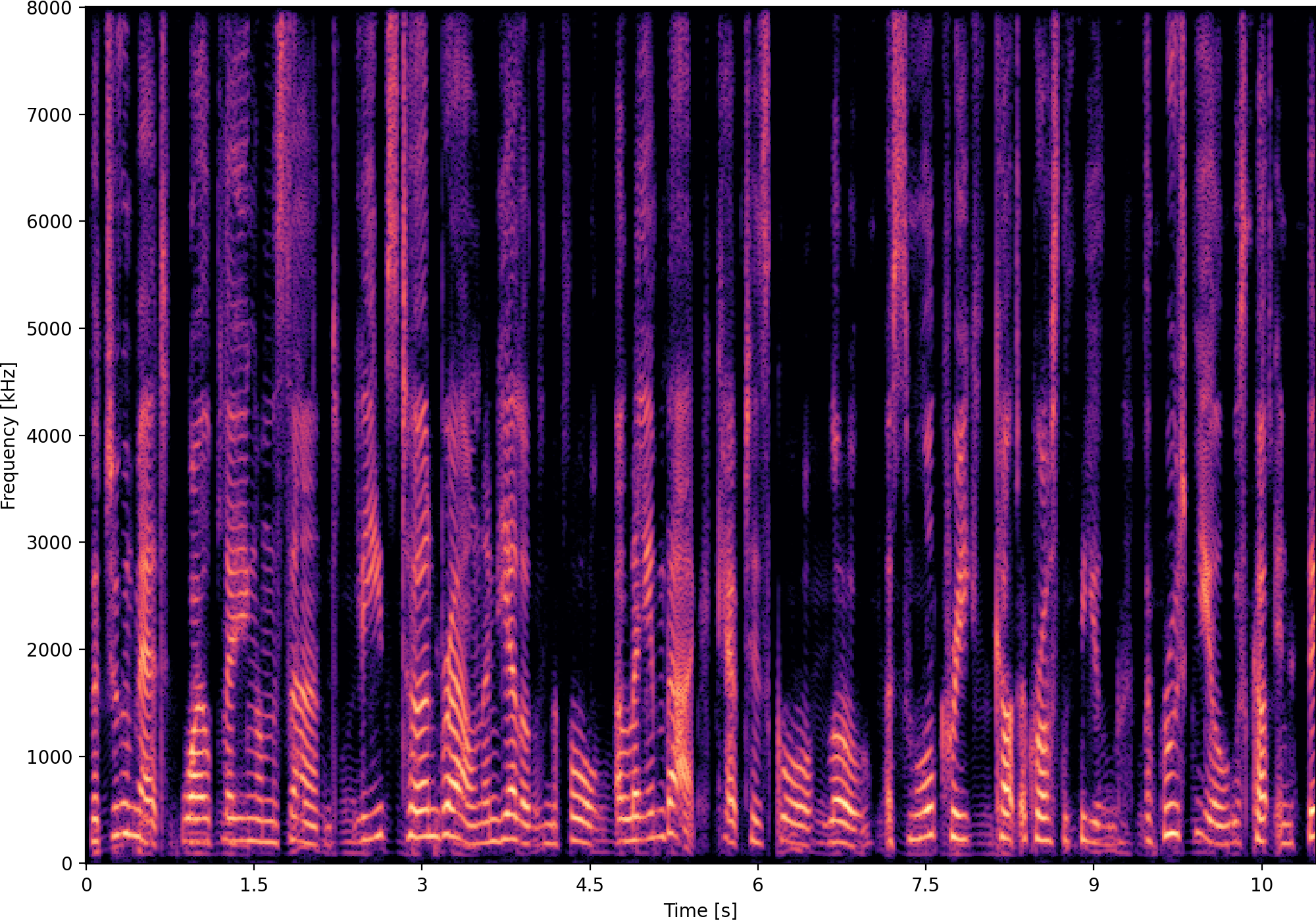
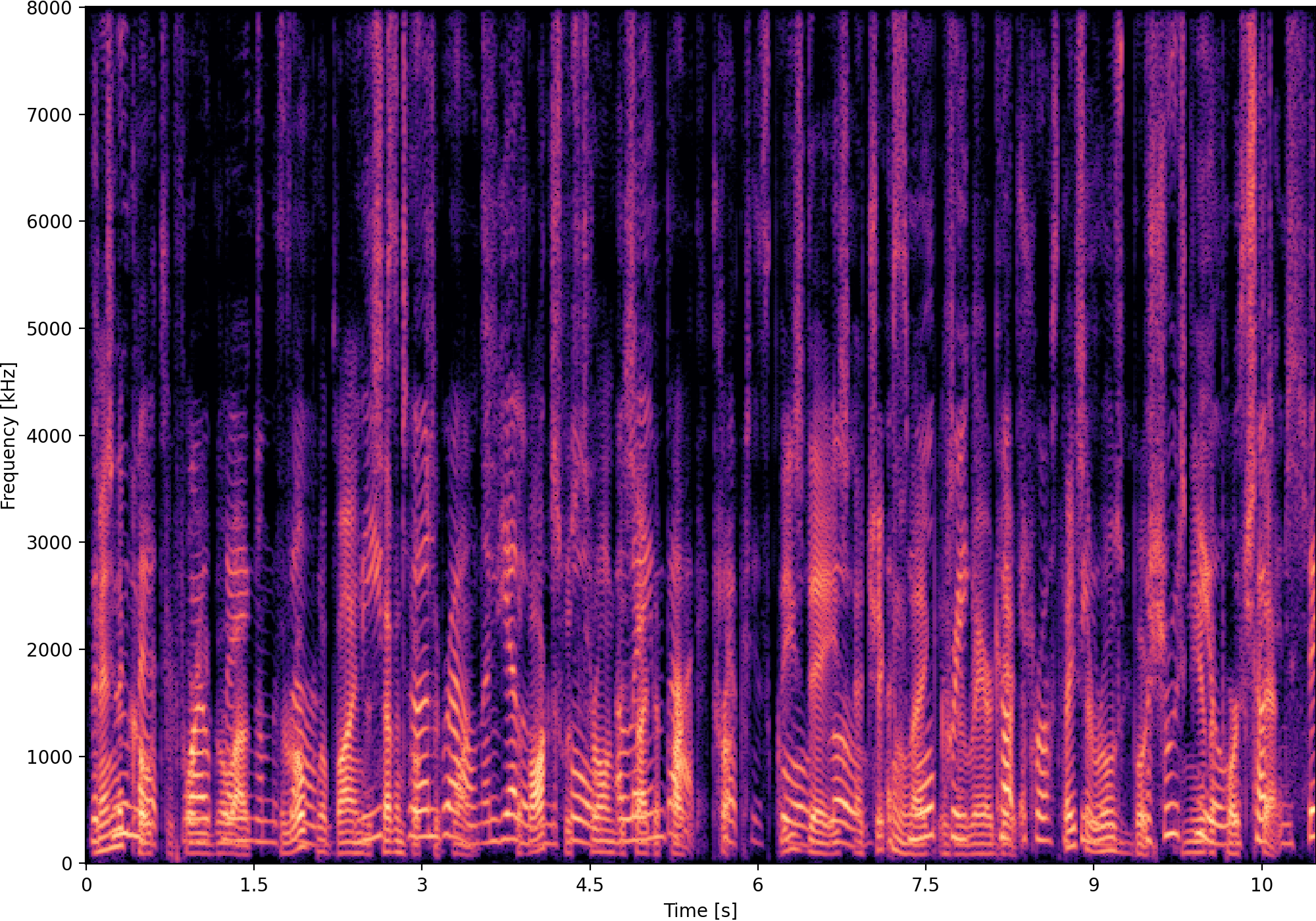
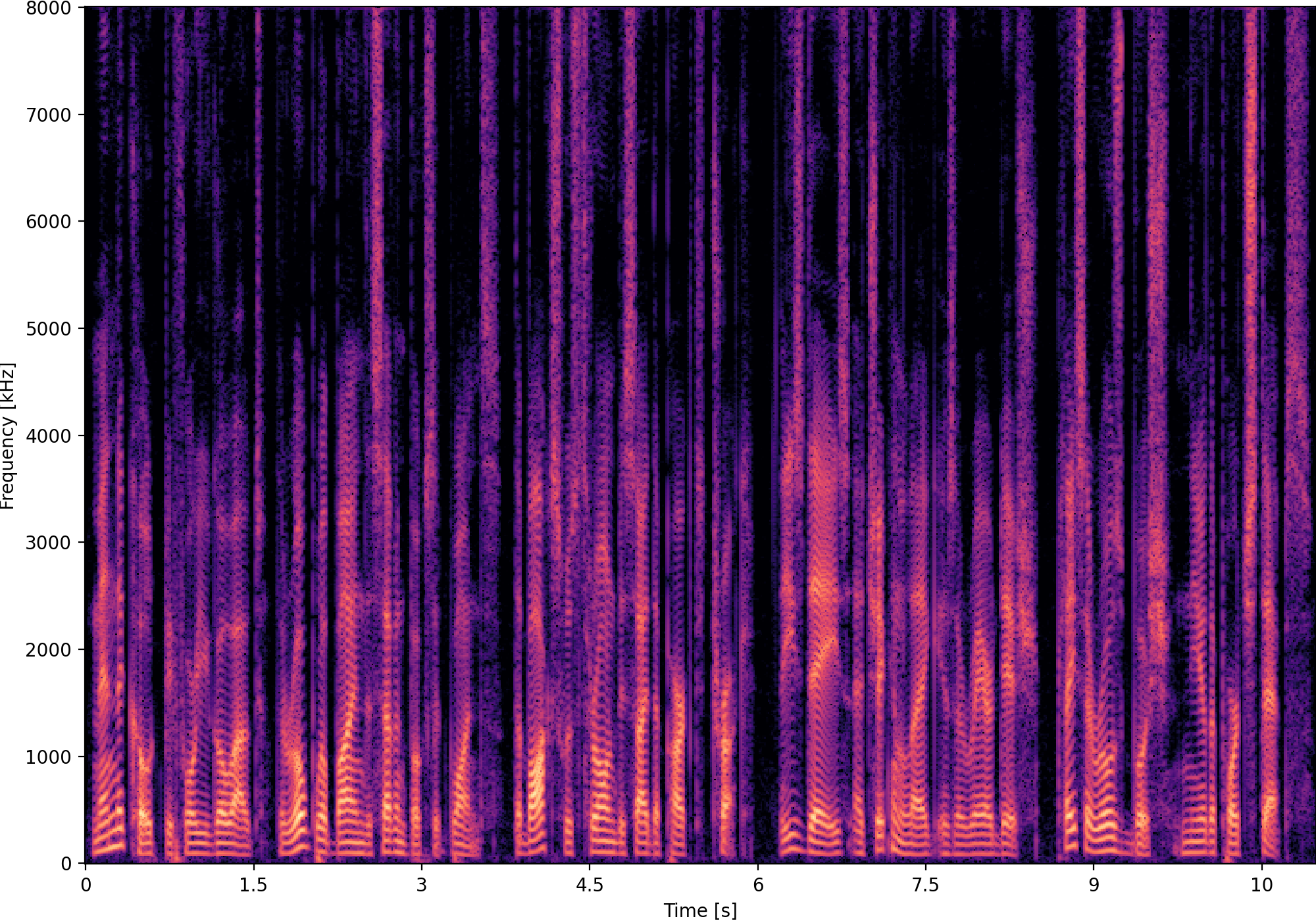
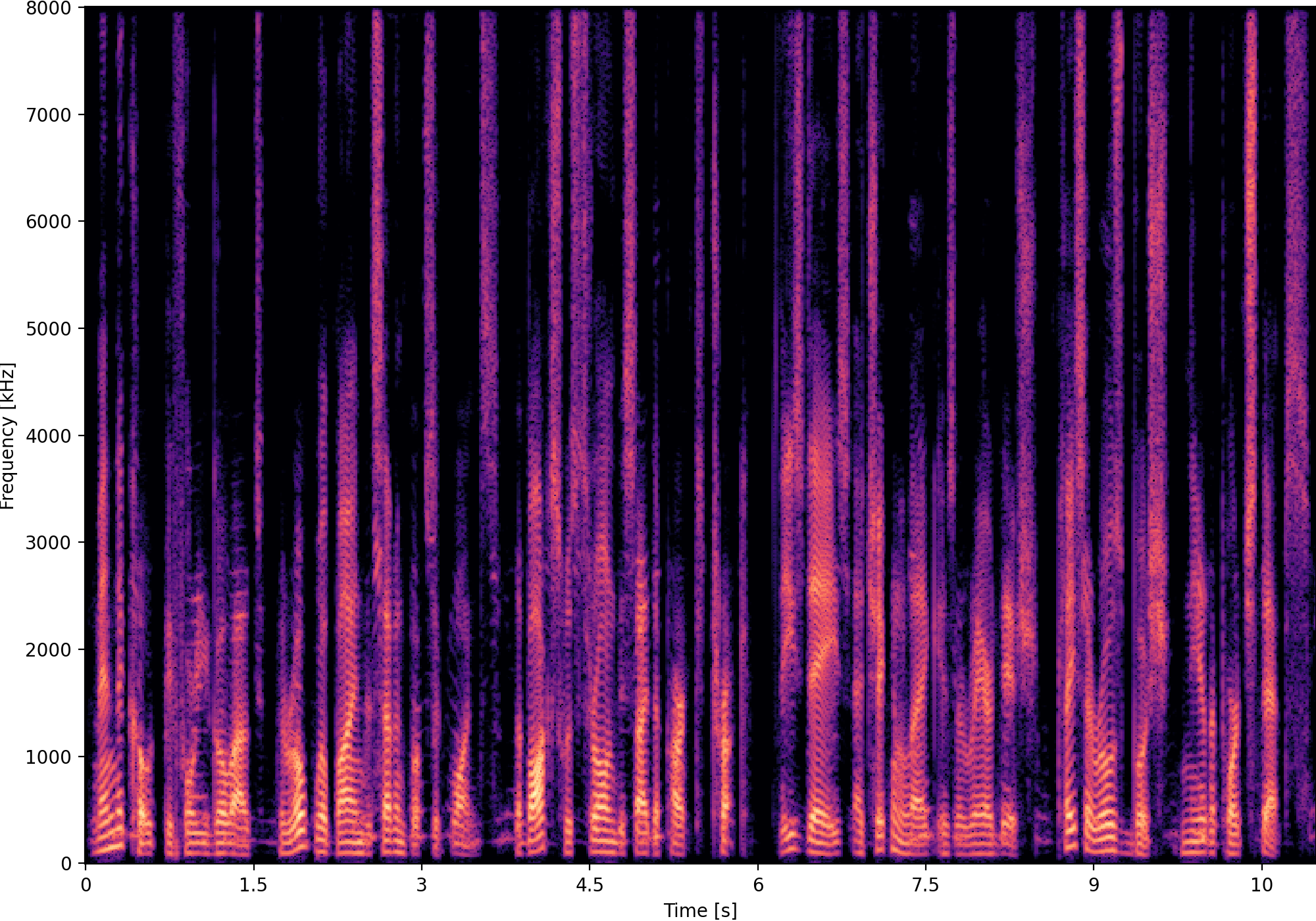
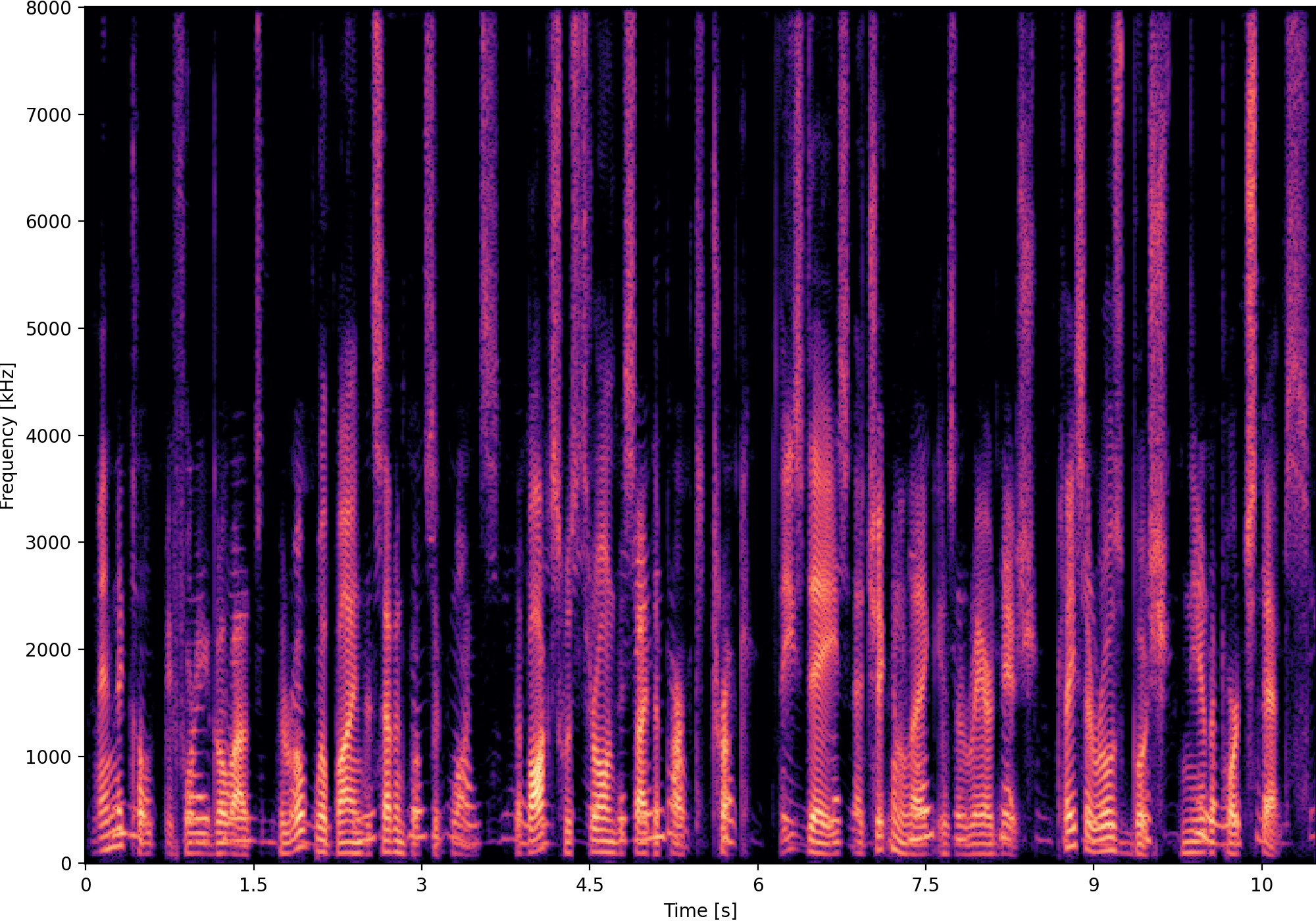
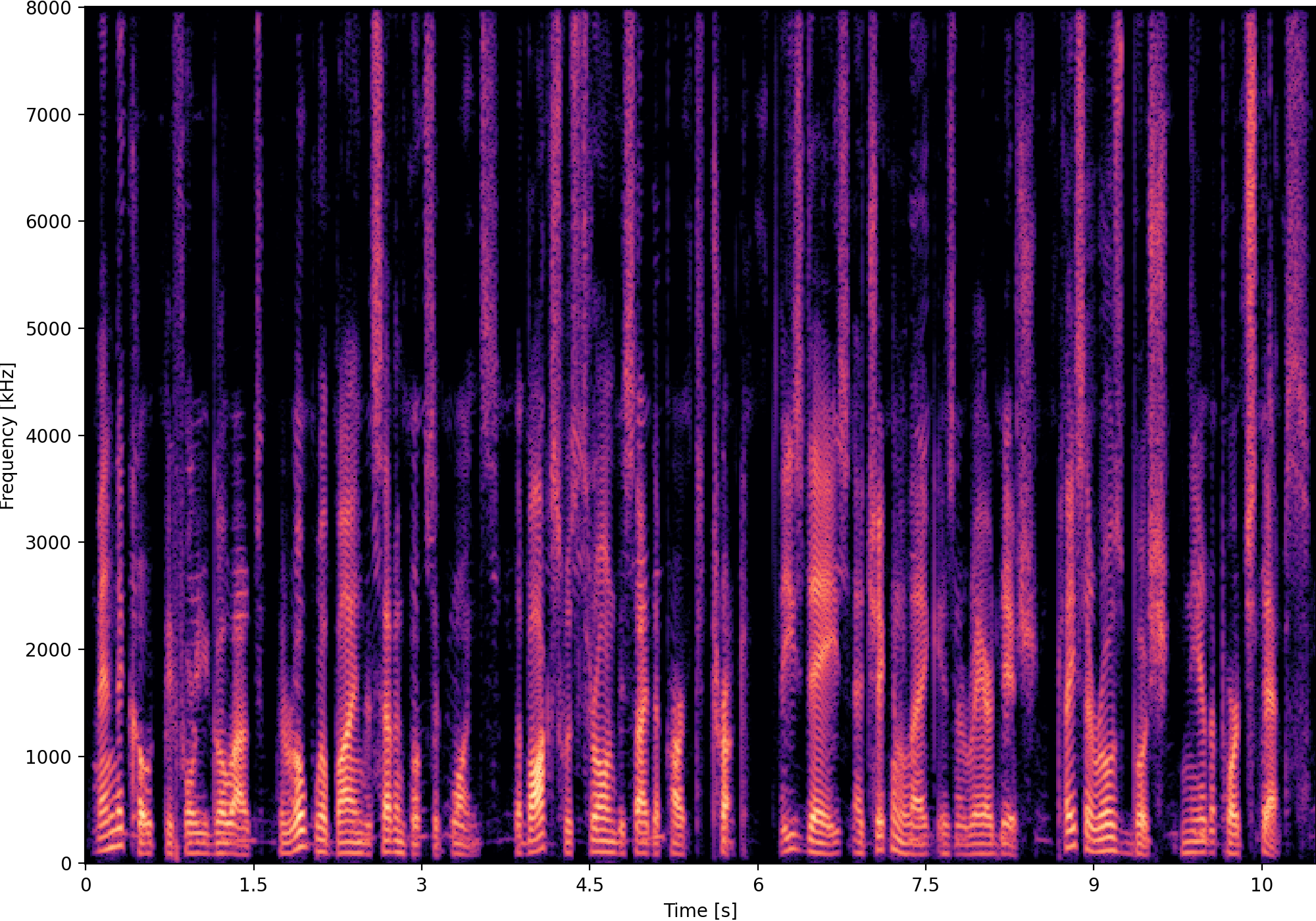
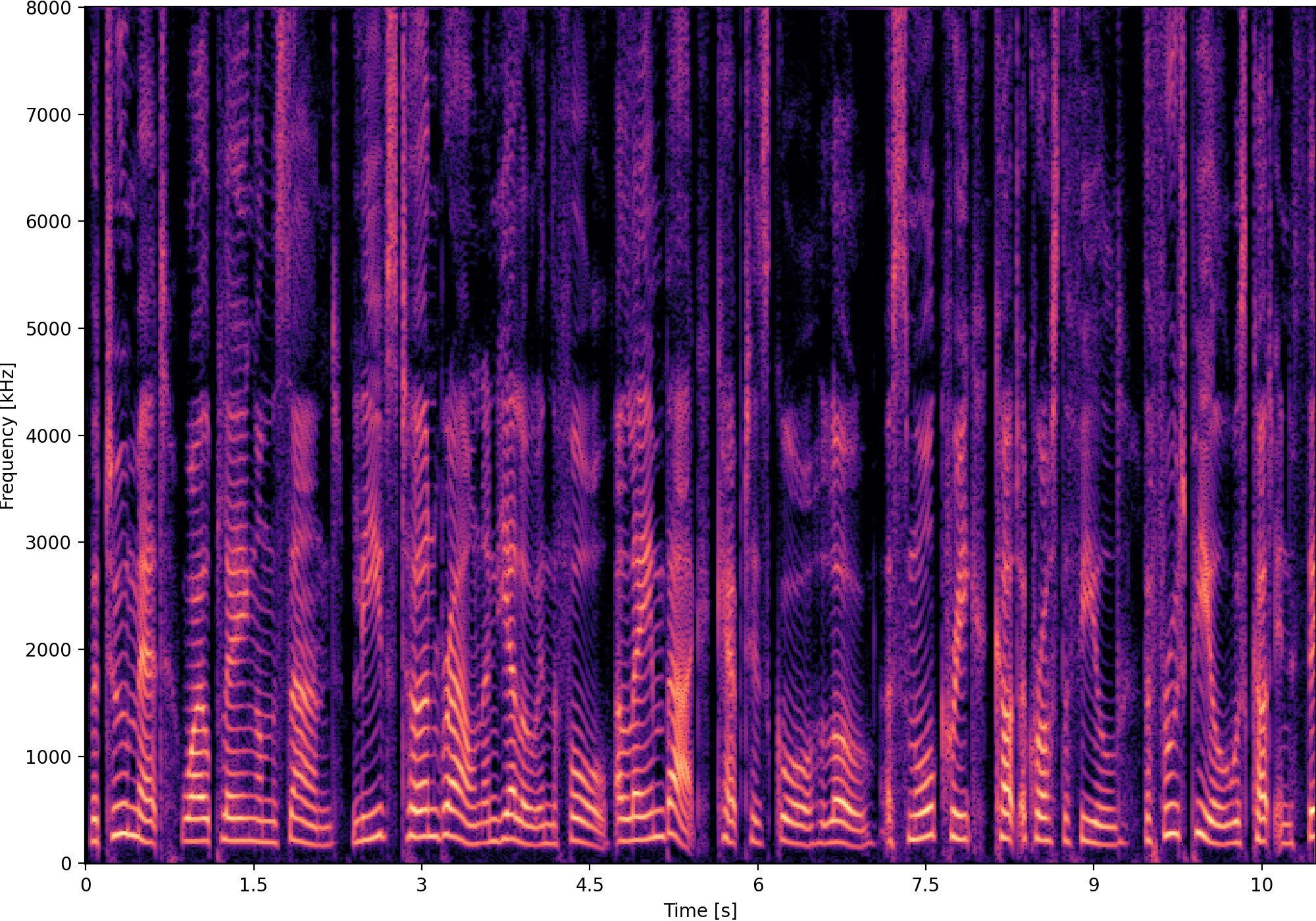
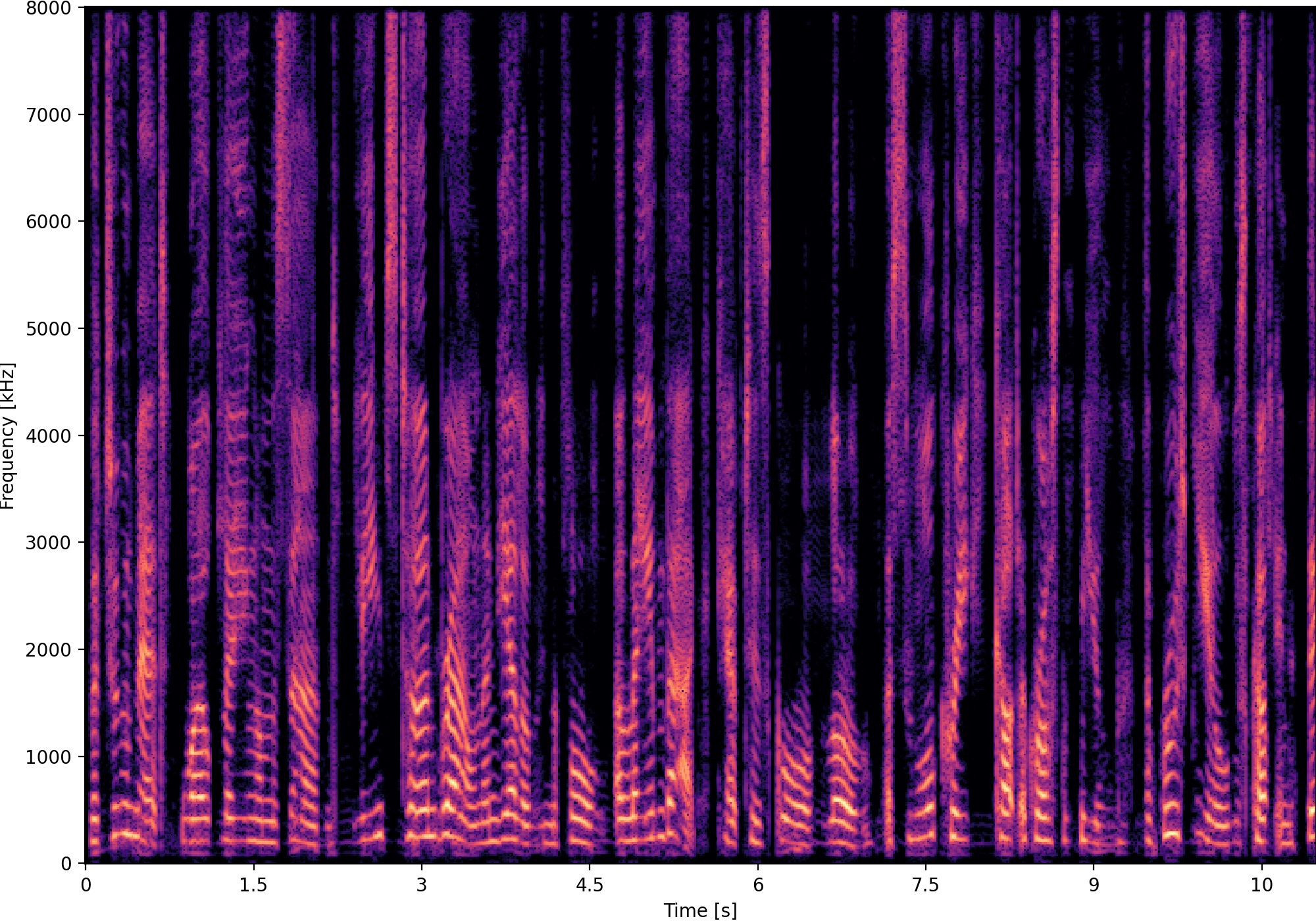
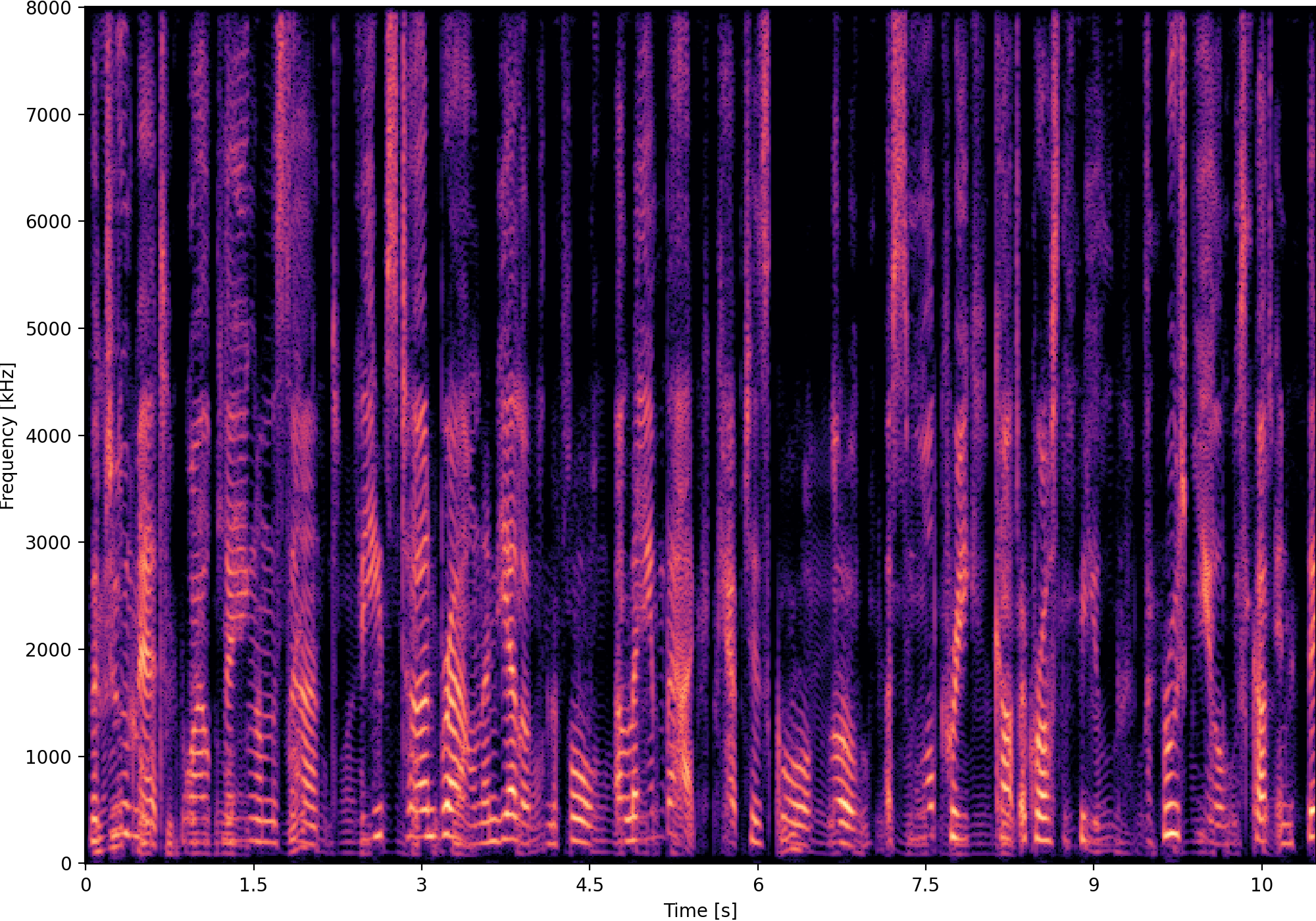
Speaker 1 is fixed at 40° (male). When Speaker 2 is at 140°, LBT-FLO (θ = 0°) is selected; when Speaker 2 is at 300°, LBT-FLO (θ = 90°) is selected. Array: PET-3; anechoic.
What to hear. In 3.1 the θ = 0° outputs should be closer to the ground truth than LBT-CO and than θ = 90°. In 3.2 the preference reverses: θ = 90° should be the cleaner pair. A single FLO is not enough for all geometries.
| Mixture | Ground Truth | LBT-CO (Baseline) | LBT-FLO (θ = 0°) ★ | LBT-FLO (θ = 90°) |
|---|---|---|---|---|
Mixture
|
Speaker 1
|
Speaker 1 (PET-3)
|
Speaker 1 (PET-3)
|
Speaker 1 (PET-3)
|
Speaker 2
|
Speaker 2 (PET-3)
|
Speaker 2 (PET-3)
|
Speaker 2 (PET-3)
|
| Mixture | Ground Truth | LBT-CO (Baseline) | LBT-FLO (θ = 0°) | LBT-FLO (θ = 90°) ★ |
|---|---|---|---|---|
Mixture

|
Speaker 1
|
Speaker 1 (PET-3)
|
Speaker 1 (PET-3)
|
Speaker 1 (PET-3)
|
Speaker 2
|
Speaker 2 (PET-3)
|
Speaker 2 (PET-3)
|
Speaker 2 (PET-3)
|
4. Consistent Advantage of CLBT-FLOs Across Array Geometries (Anechoic)
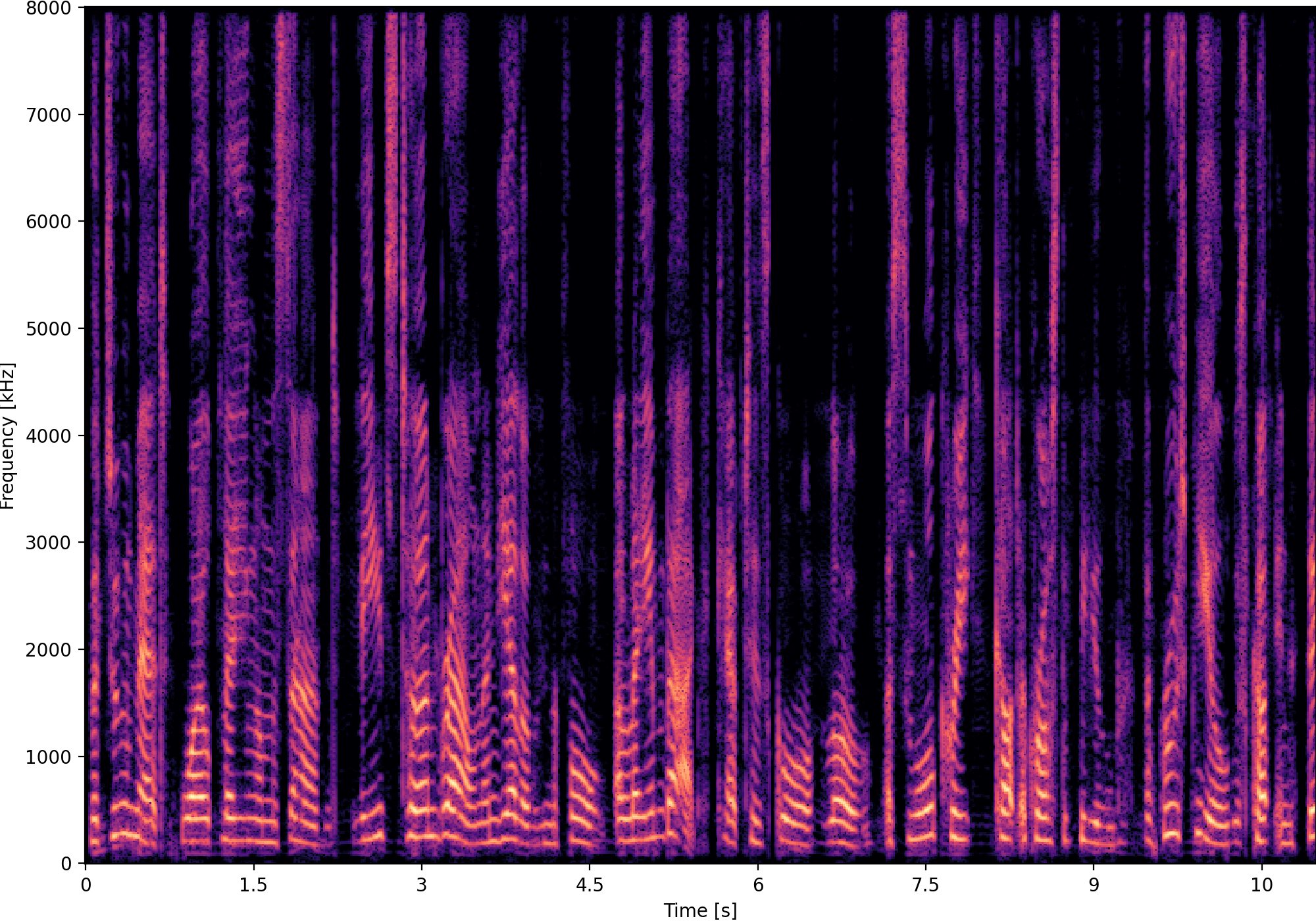
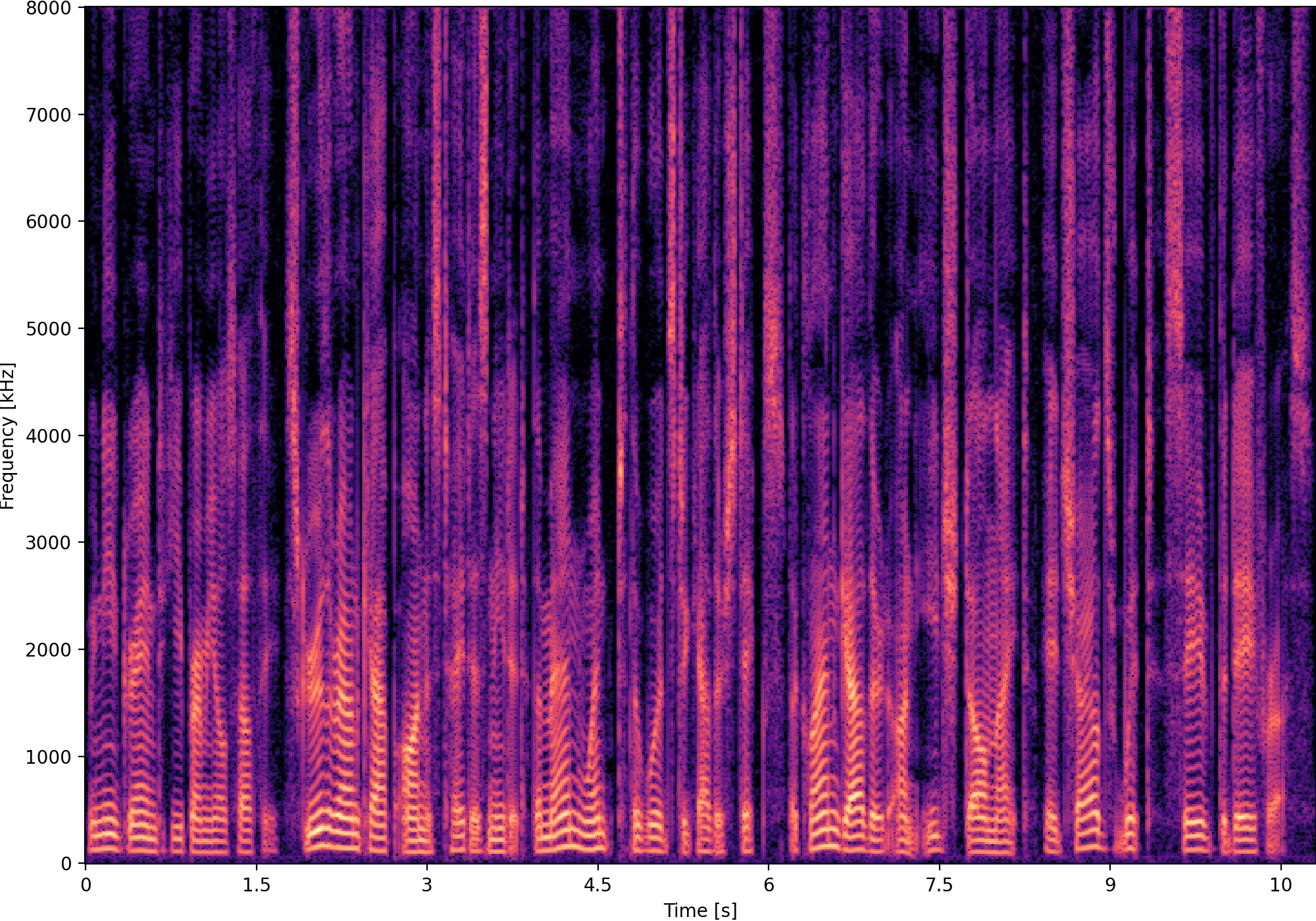
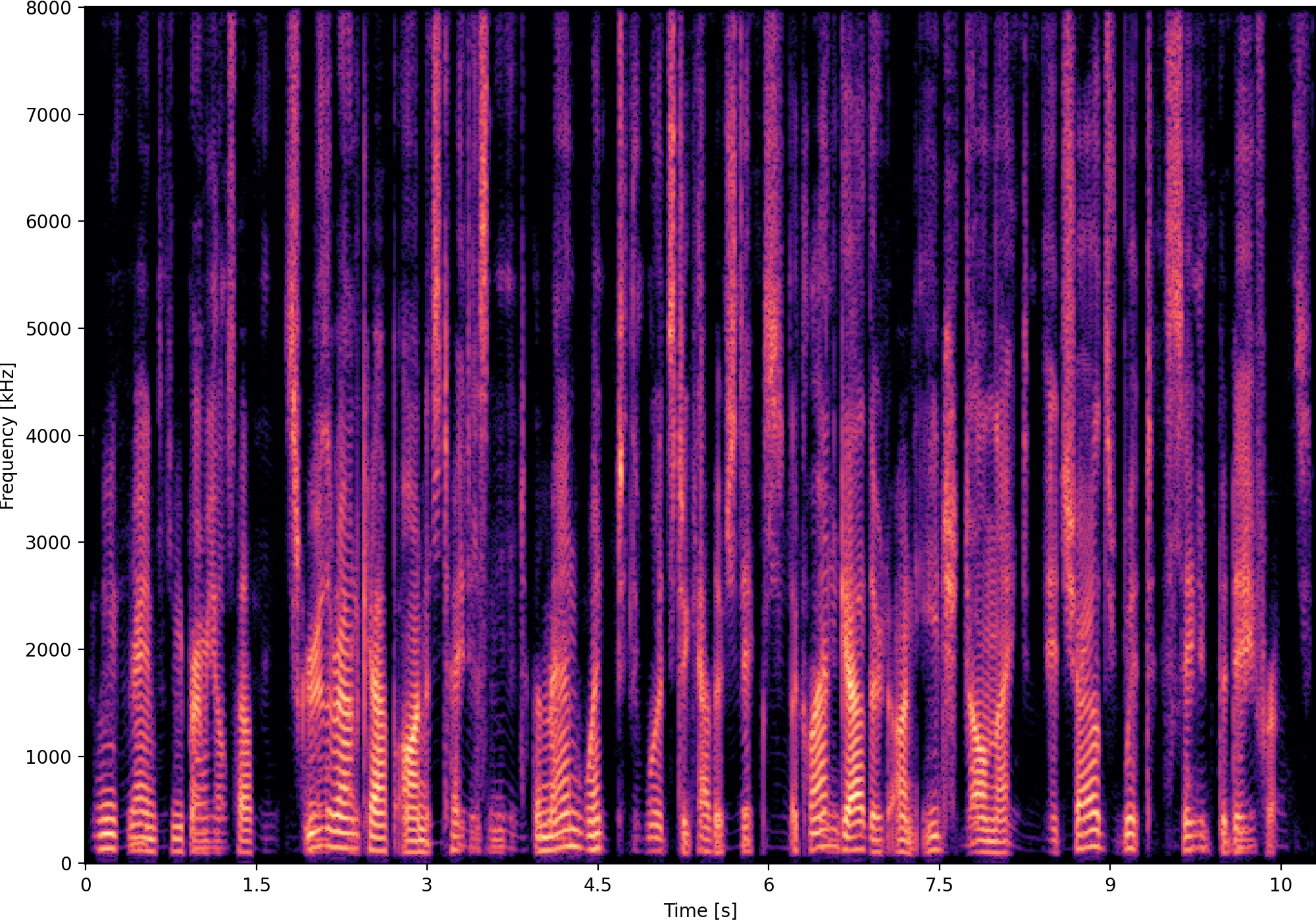
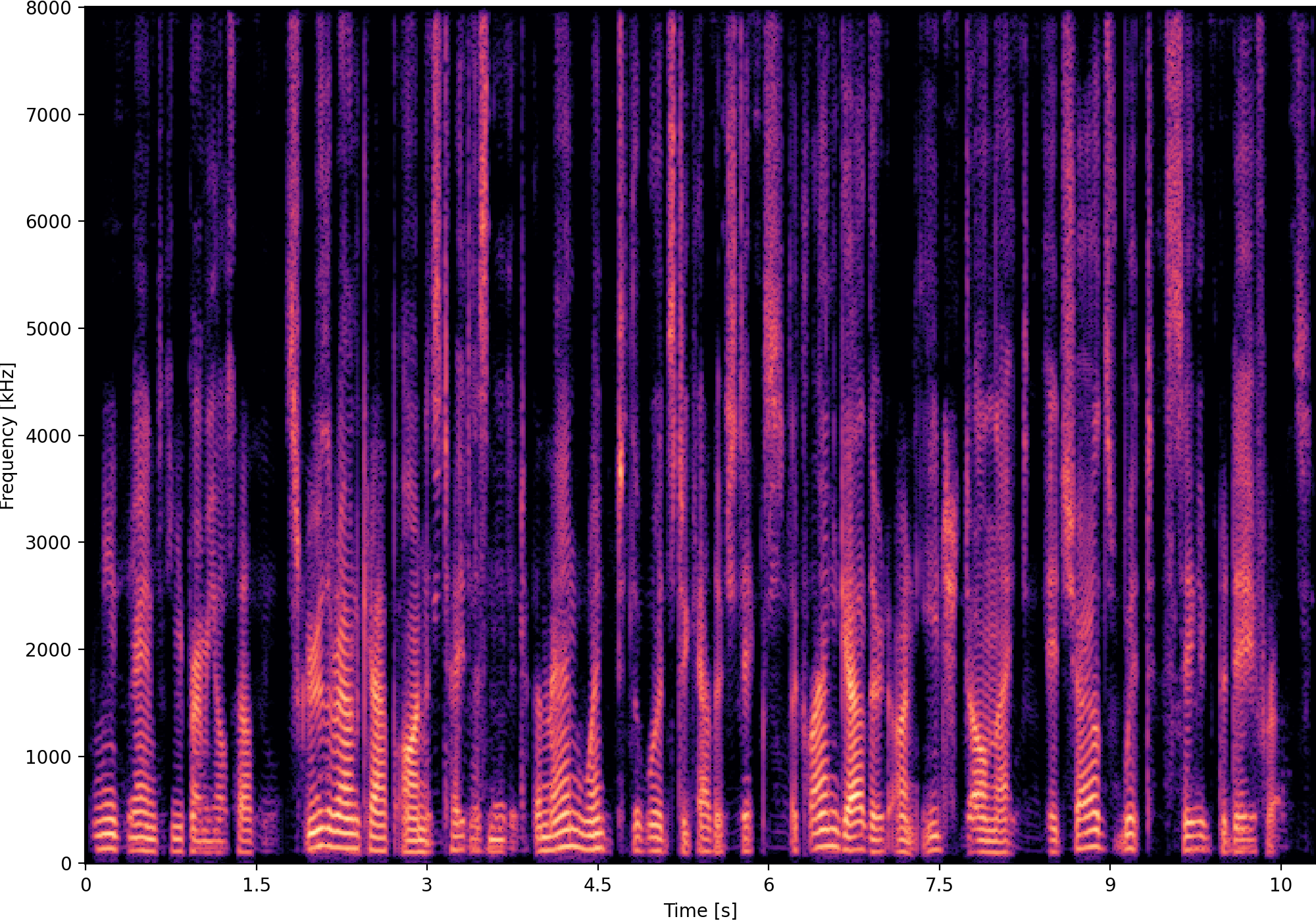
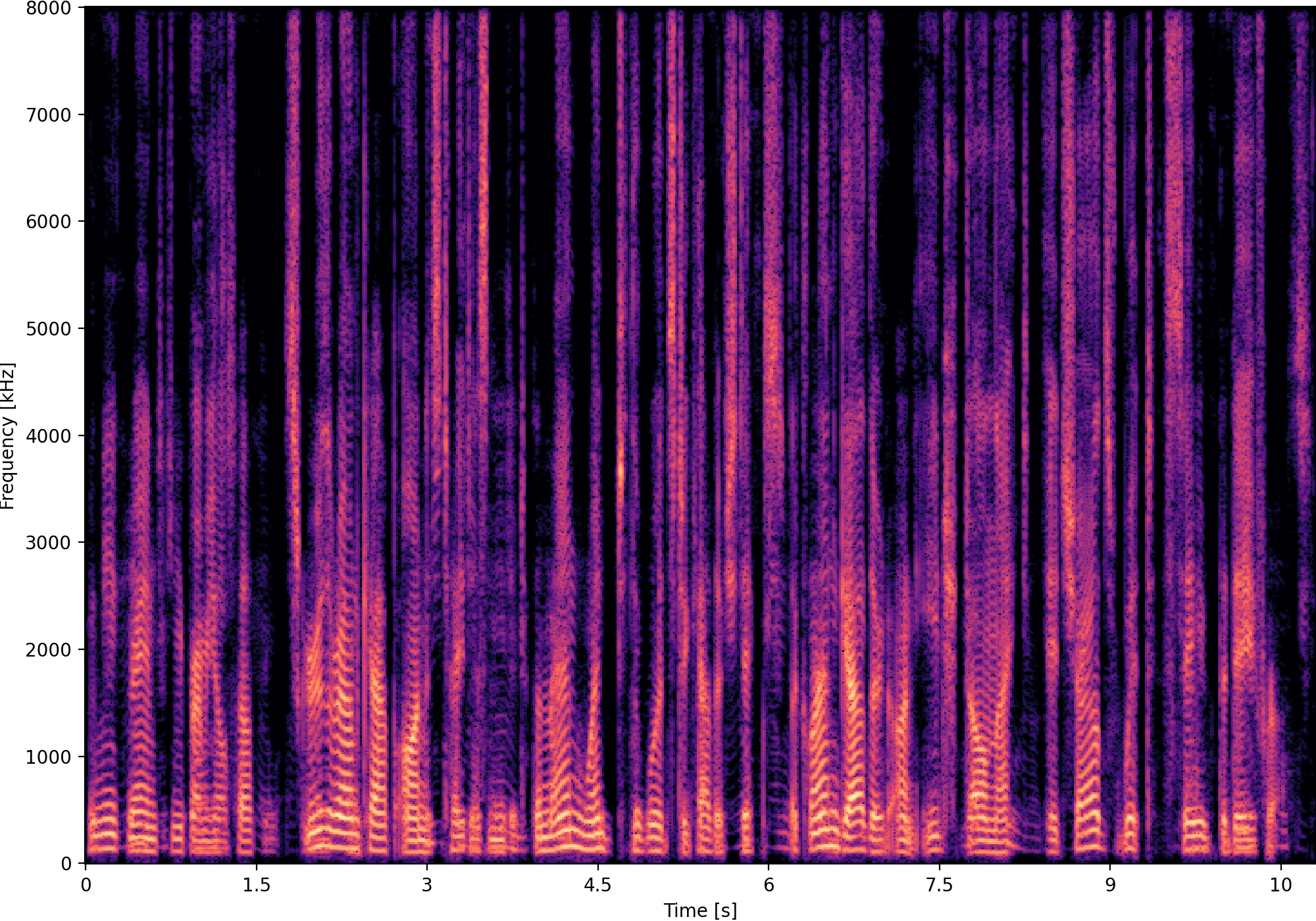
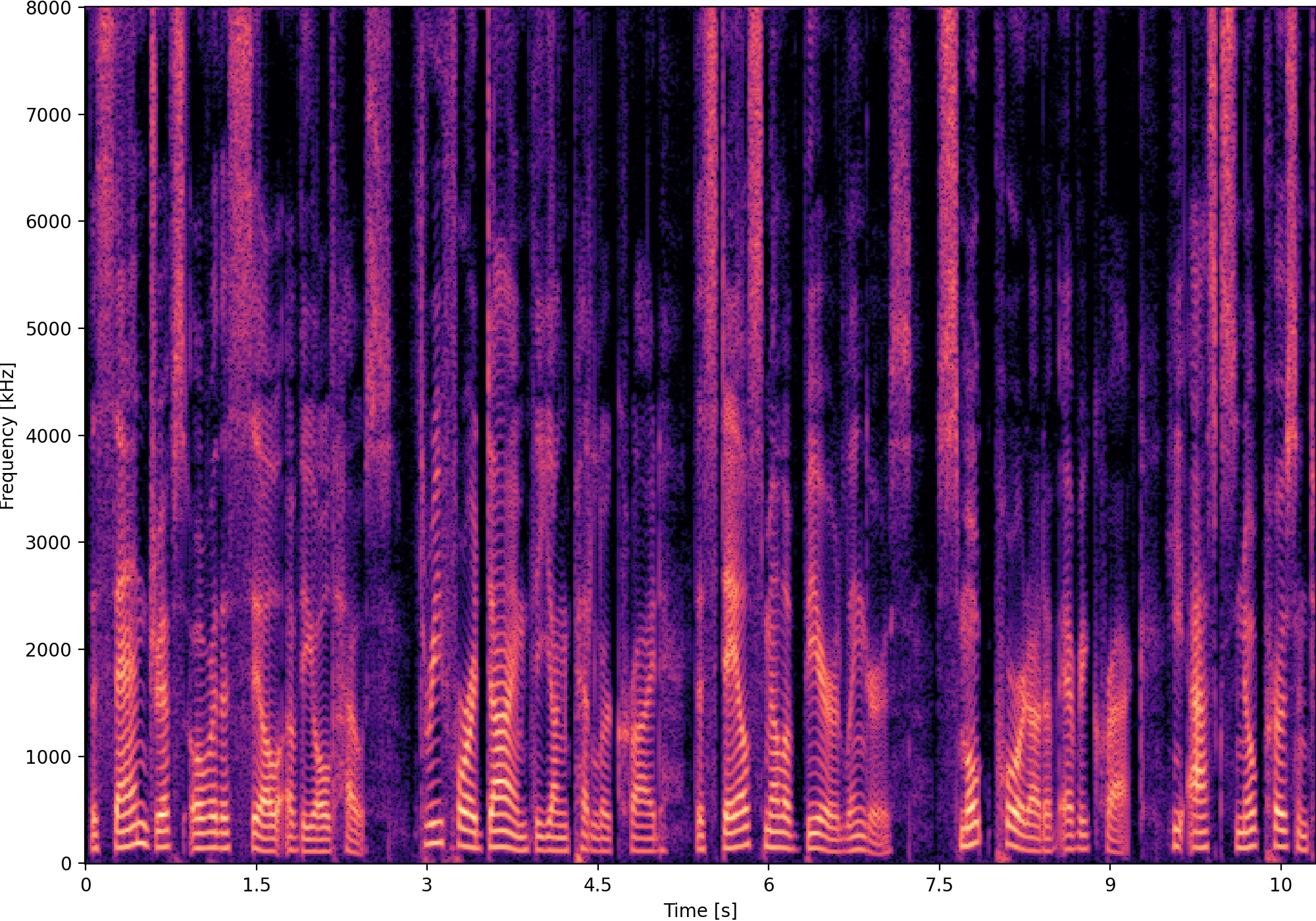
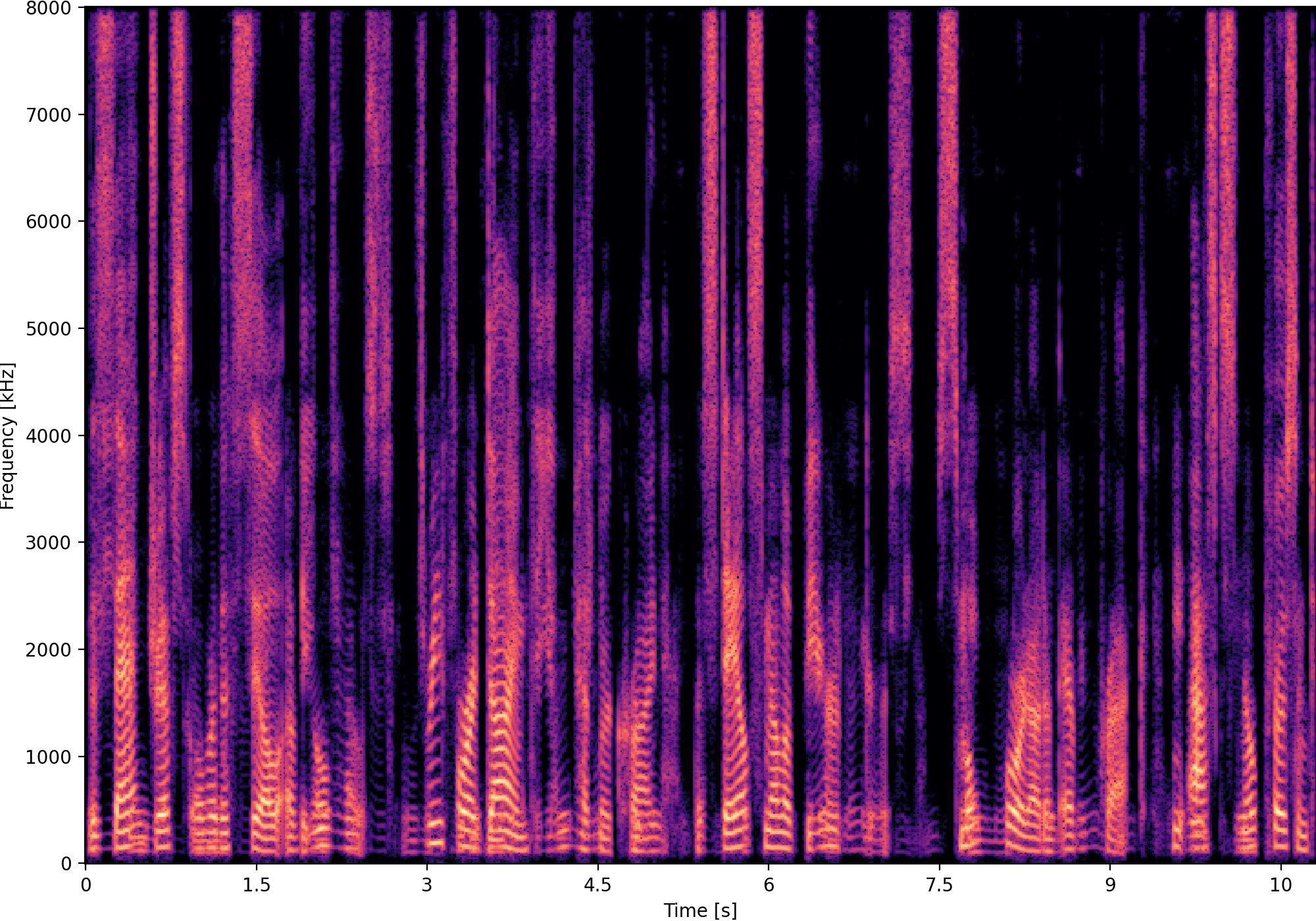
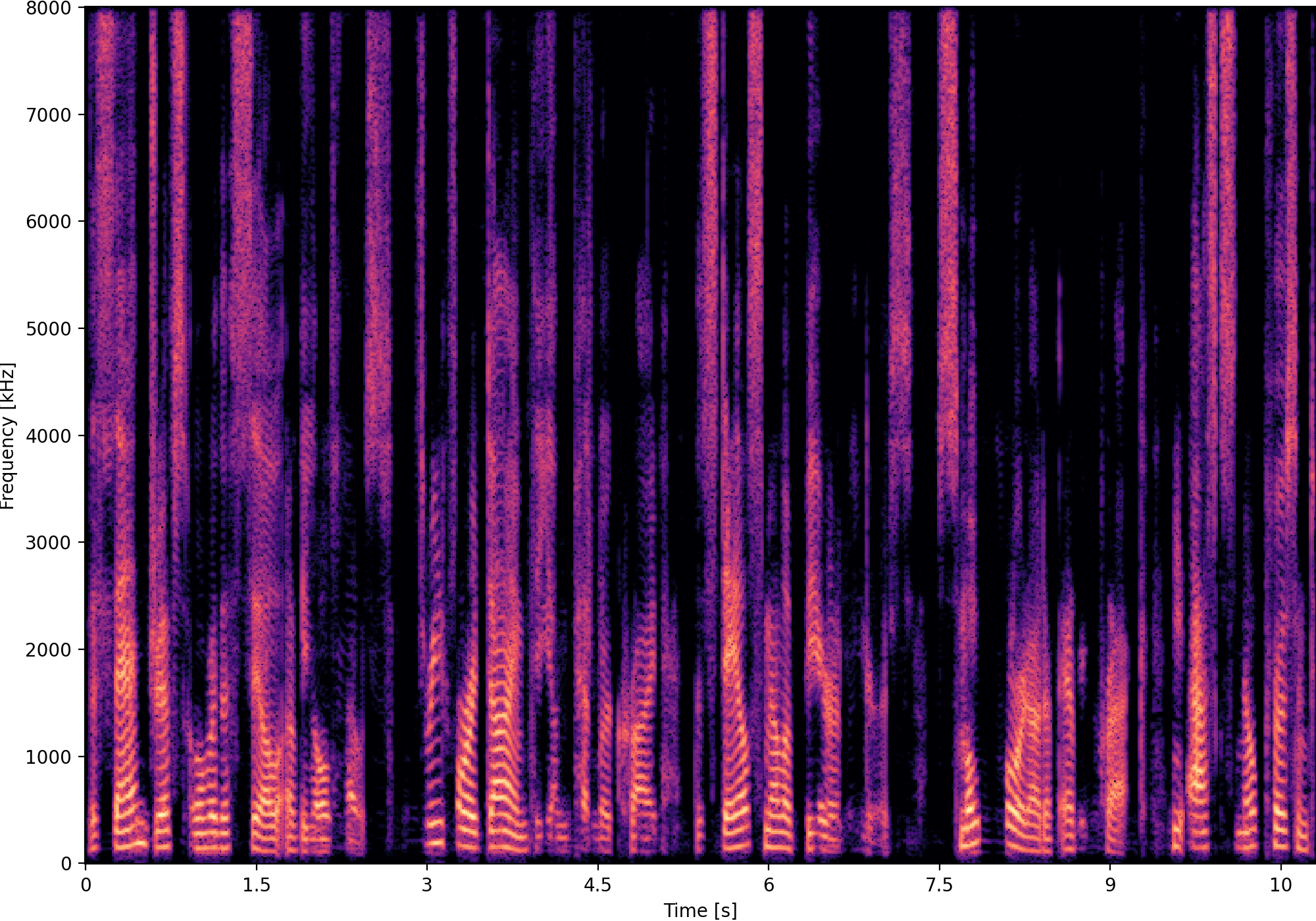
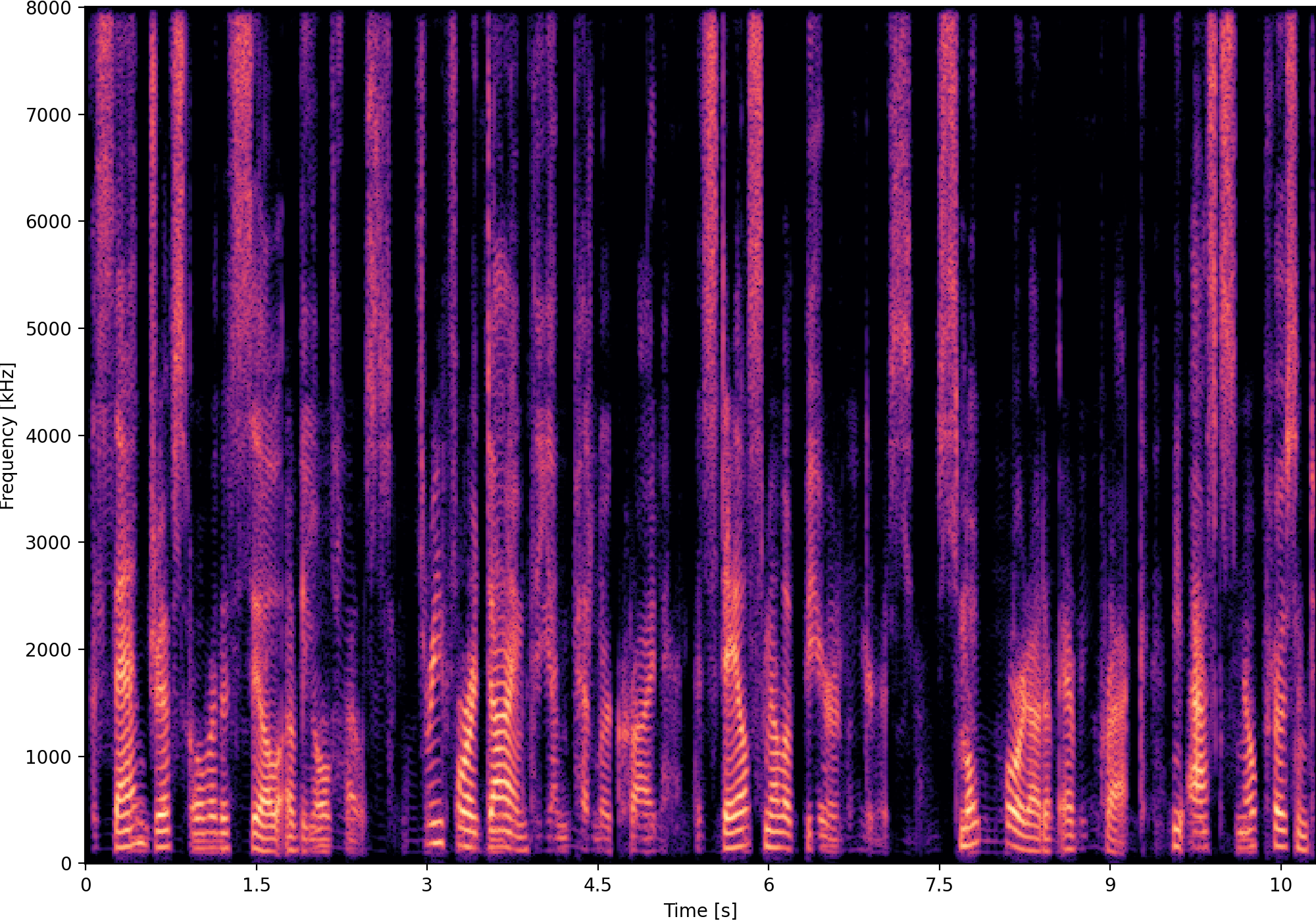
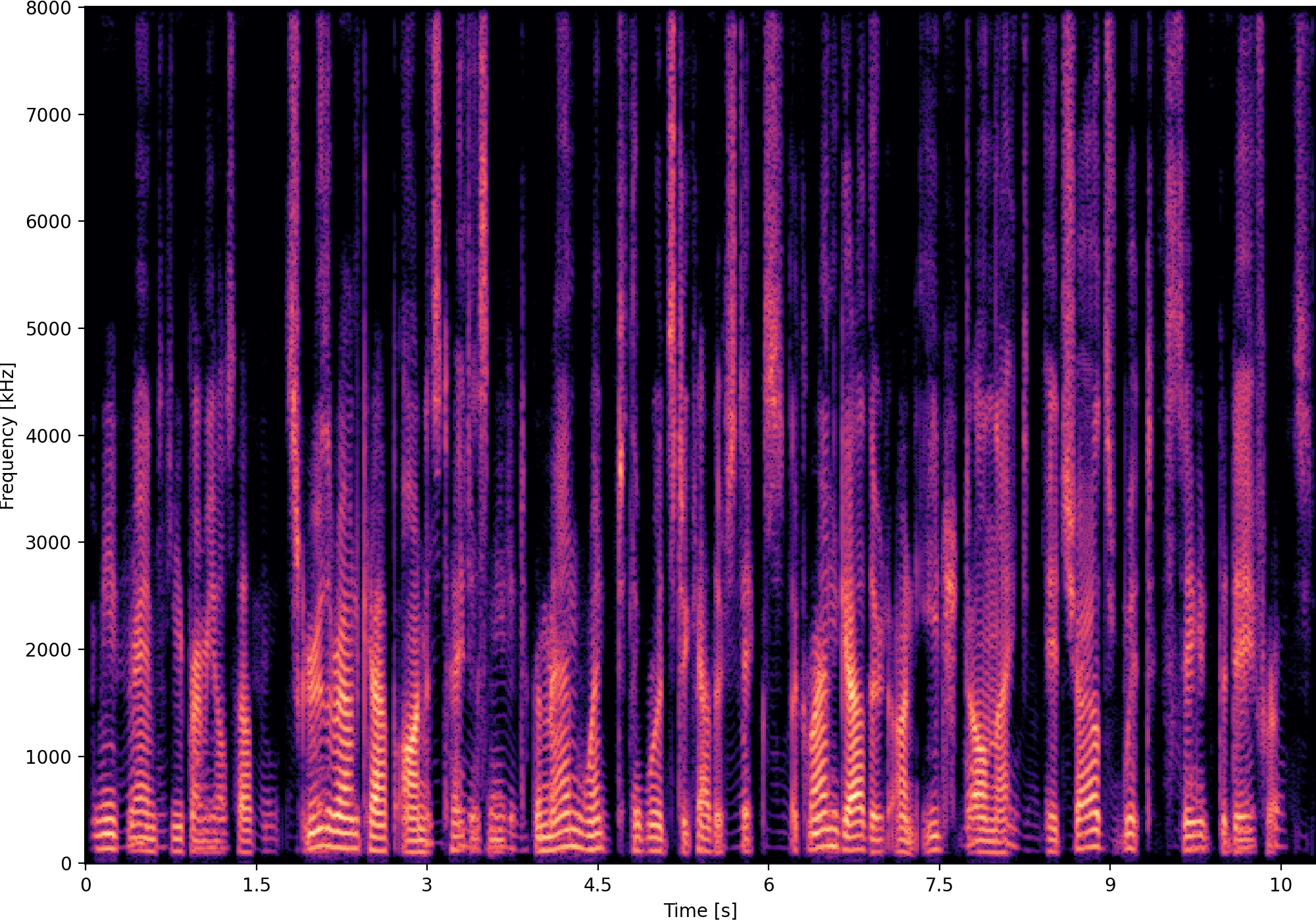
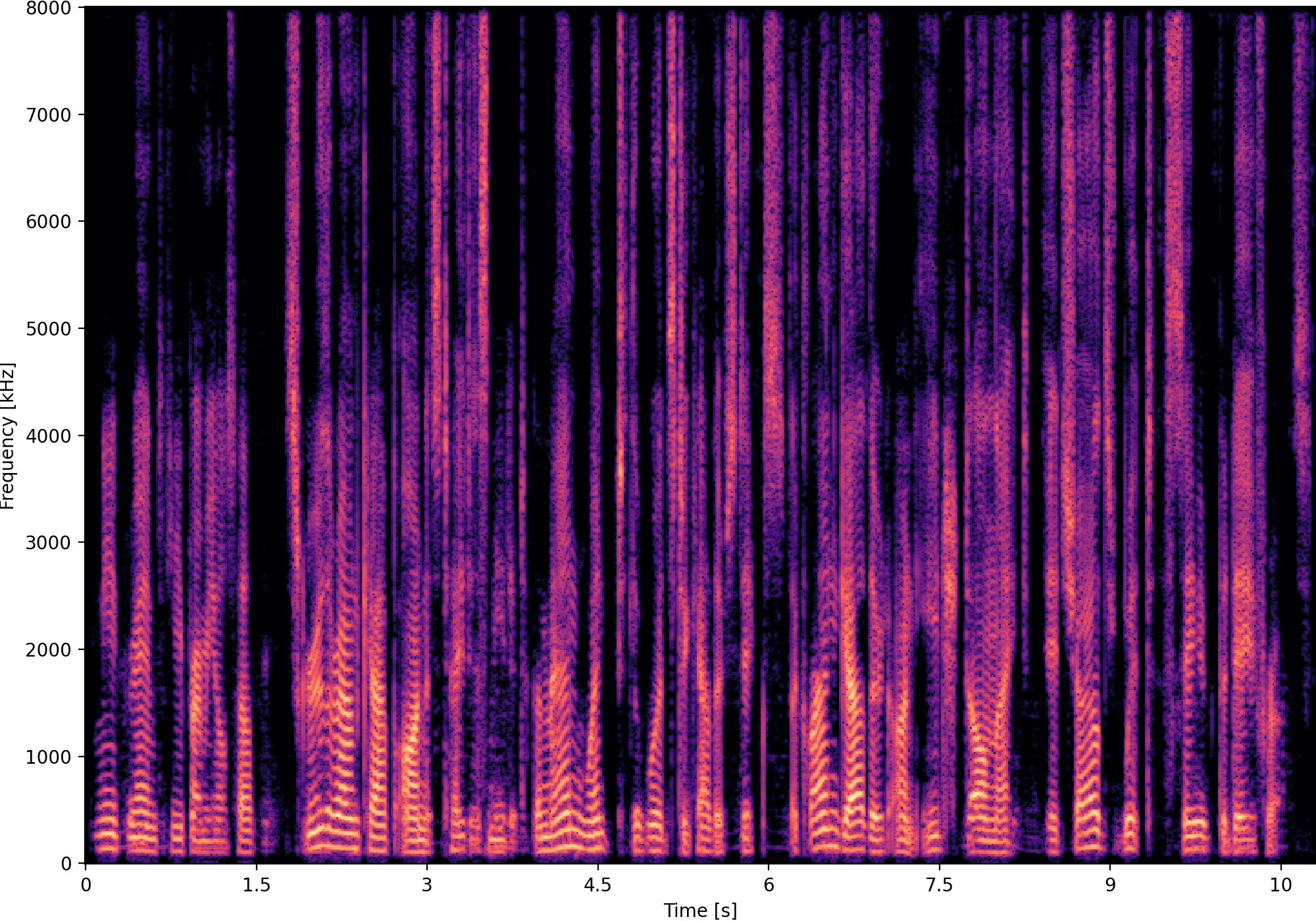
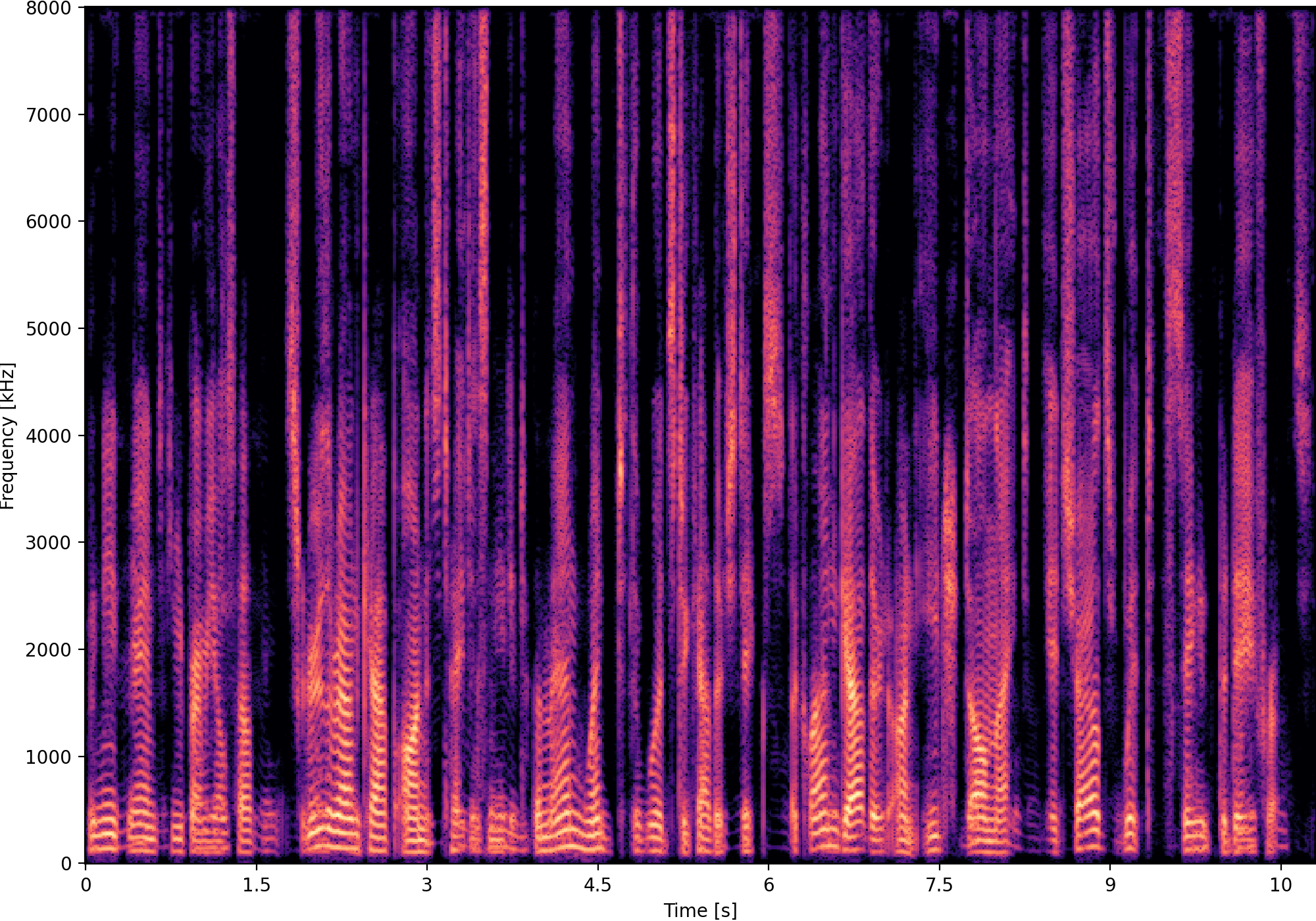
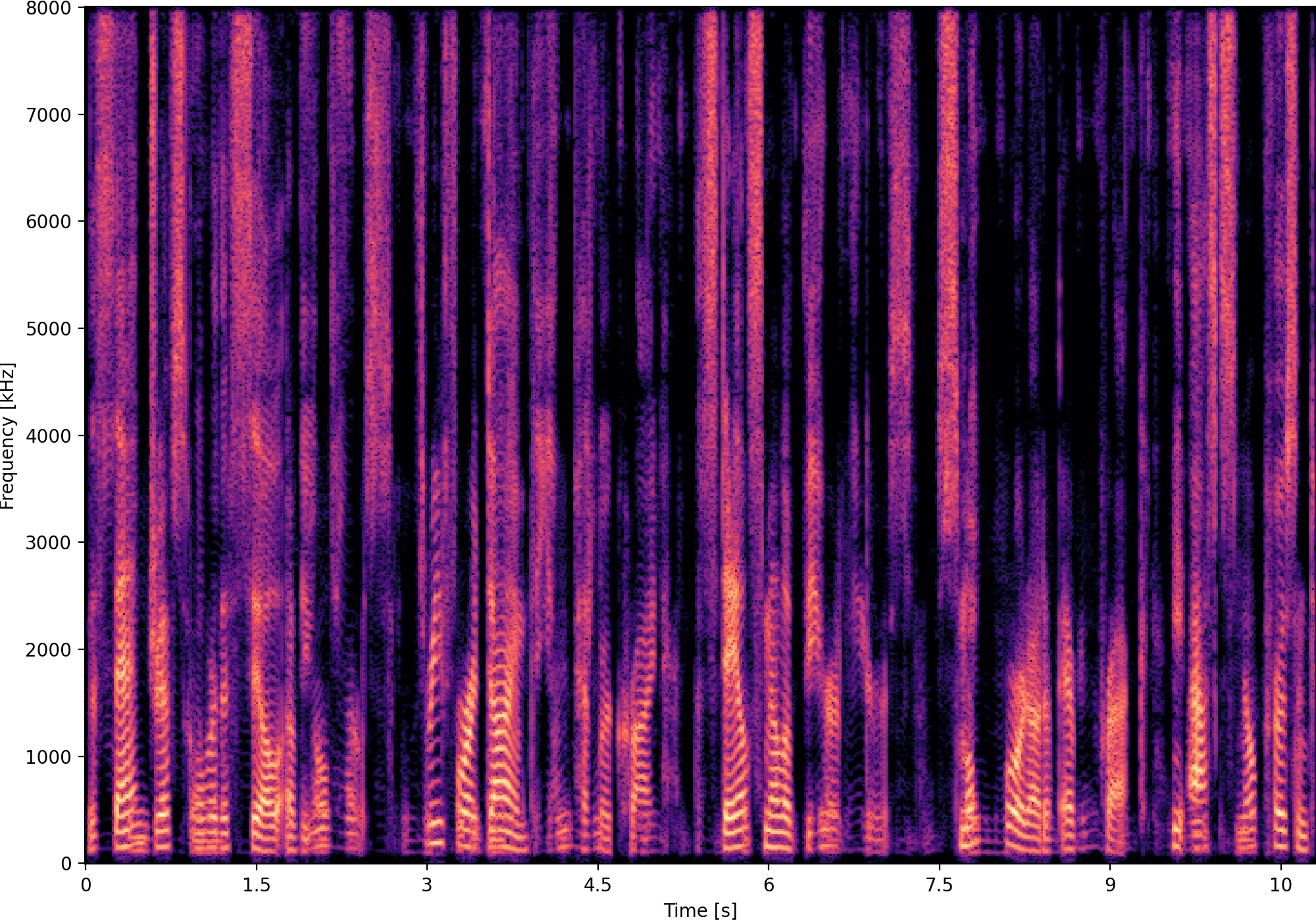
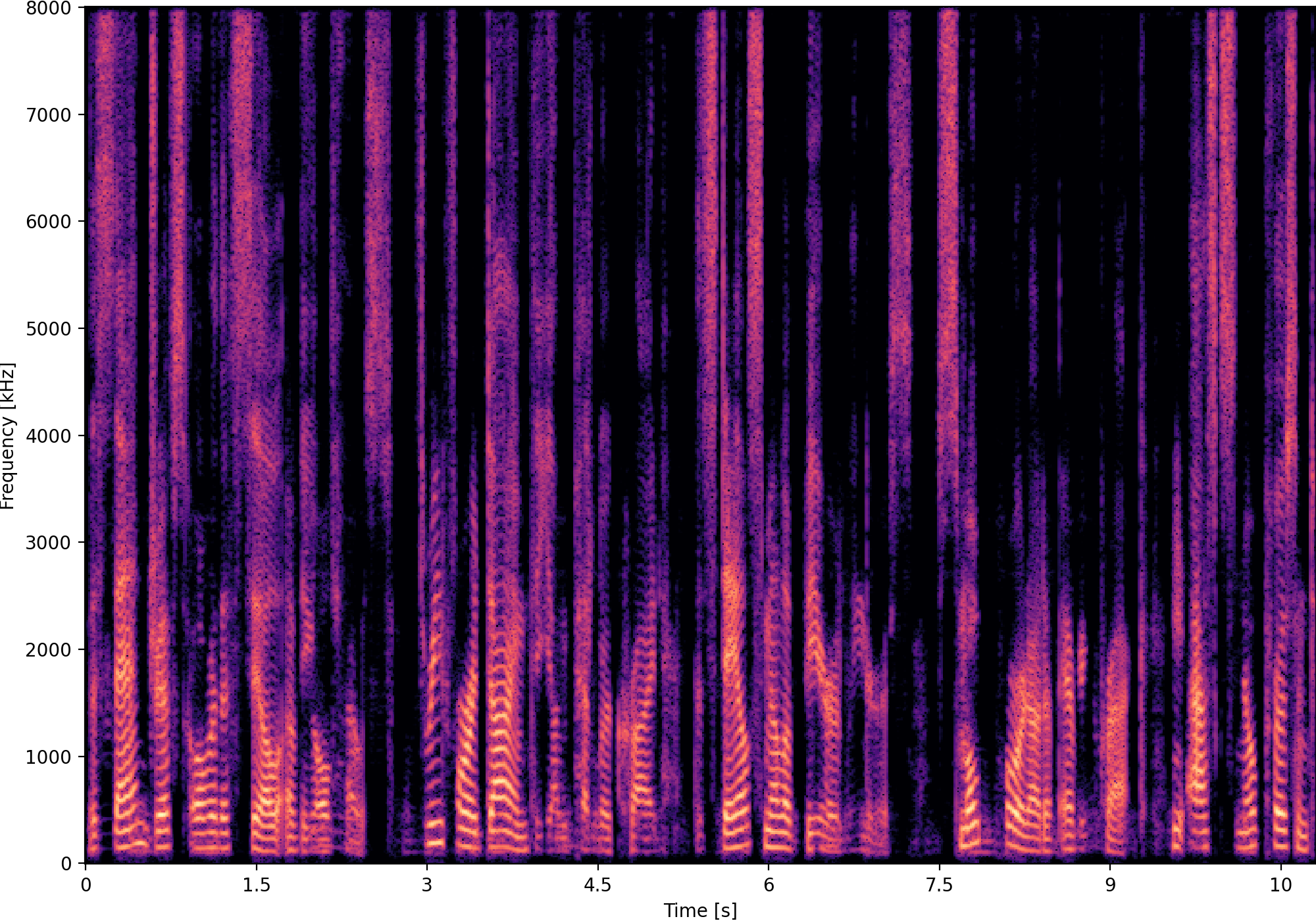
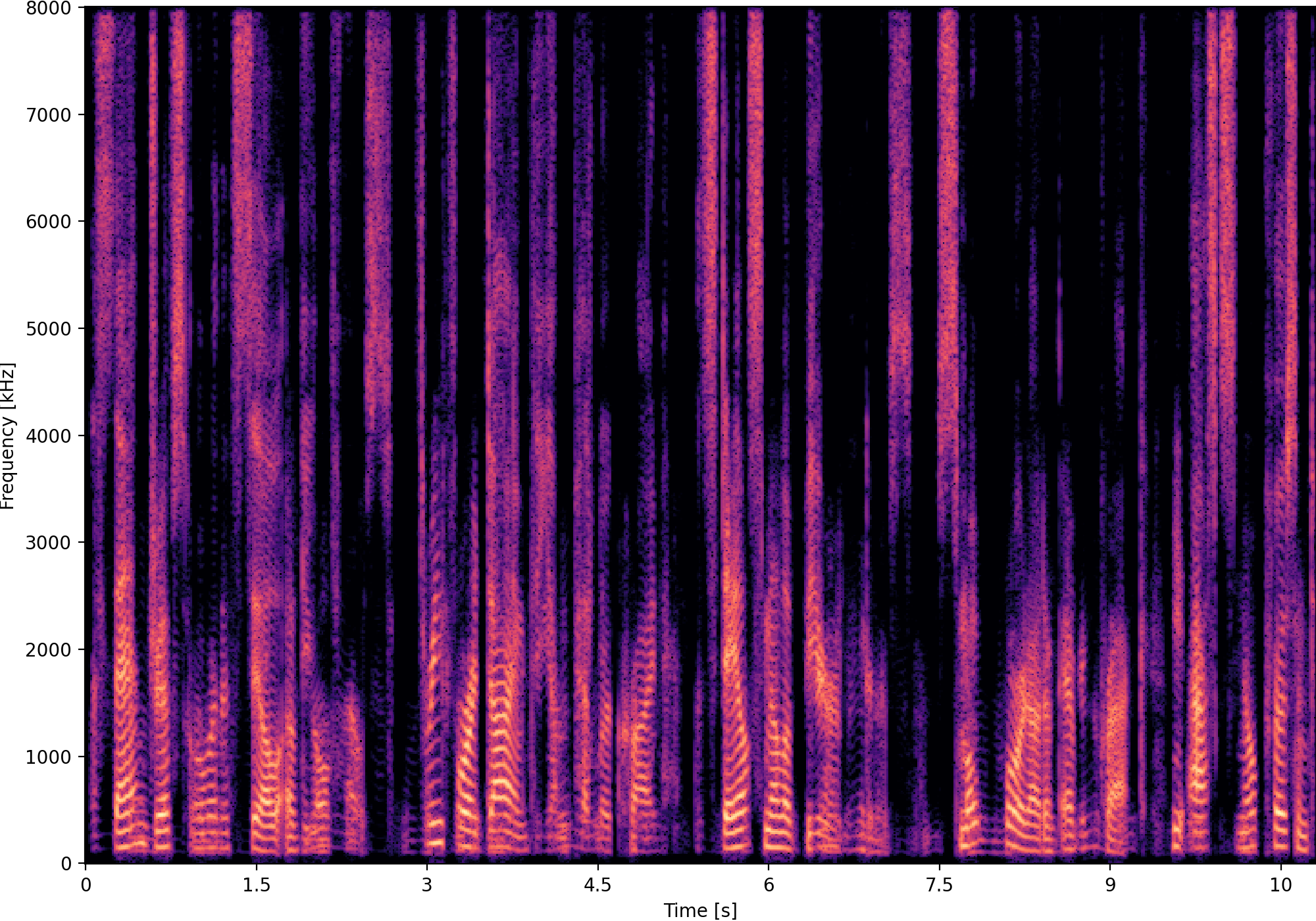
The same anechoic scene is inferred on PET-3 and URA-4+: Speaker 1 male at 0°, Speaker 2 male at 140°. Selected LBT-FLO is θ = 0° on both arrays.
What to hear. Both talkers are male, so location (not pitch) must keep the channels distinct. On each array, the starred FLO should show less crosstalk than LBT-CO. The mixture is the same; only the array changes.
| Mixture | Ground Truth | LBT-CO (Baseline) | LBT-FLO (θ = 0°) ★ | LBT-FLO (θ = 90°) |
|---|---|---|---|---|
Mixture

|
Speaker 1
|
Speaker 1 (PET-3)
|
Speaker 1 (PET-3)
|
Speaker 1 (PET-3)
|
Speaker 2
|
Speaker 2 (PET-3)
|
Speaker 2 (PET-3)
|
Speaker 2 (PET-3)
|
| Mixture | Ground Truth | LBT-CO (Baseline) | LBT-FLO (θ = 0°) ★ | LBT-FLO (θ = 90°) |
|---|---|---|---|---|
|
Mixture
|
Speaker 1
|
Speaker 1 (URA-4+)
|
Speaker 1 (URA-4+)
|
Speaker 1 (URA-4+)
|
|
Speaker 2
|
Speaker 2 (URA-4+)
|
Speaker 2 (URA-4+)
|
Speaker 2 (URA-4+)
|
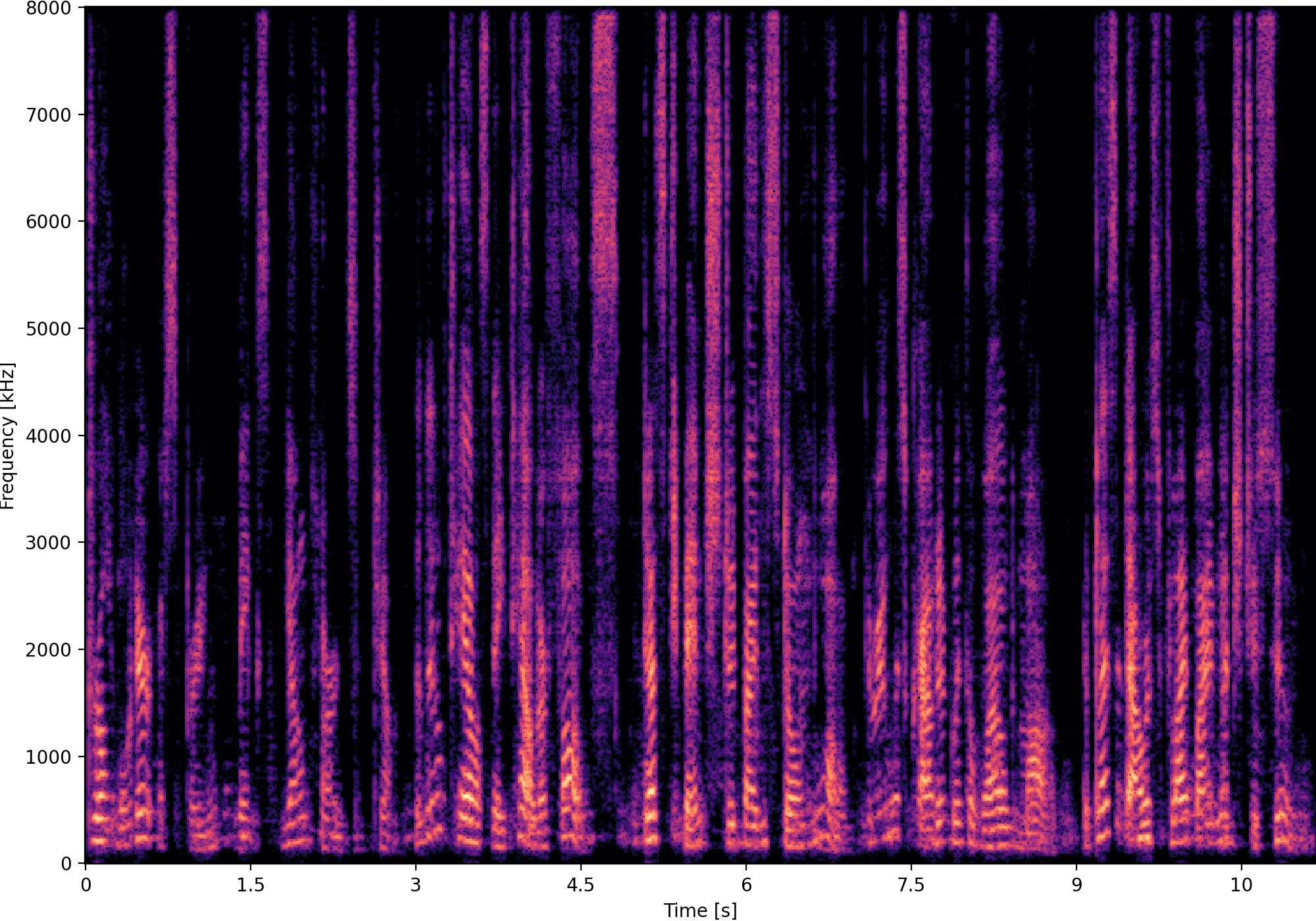
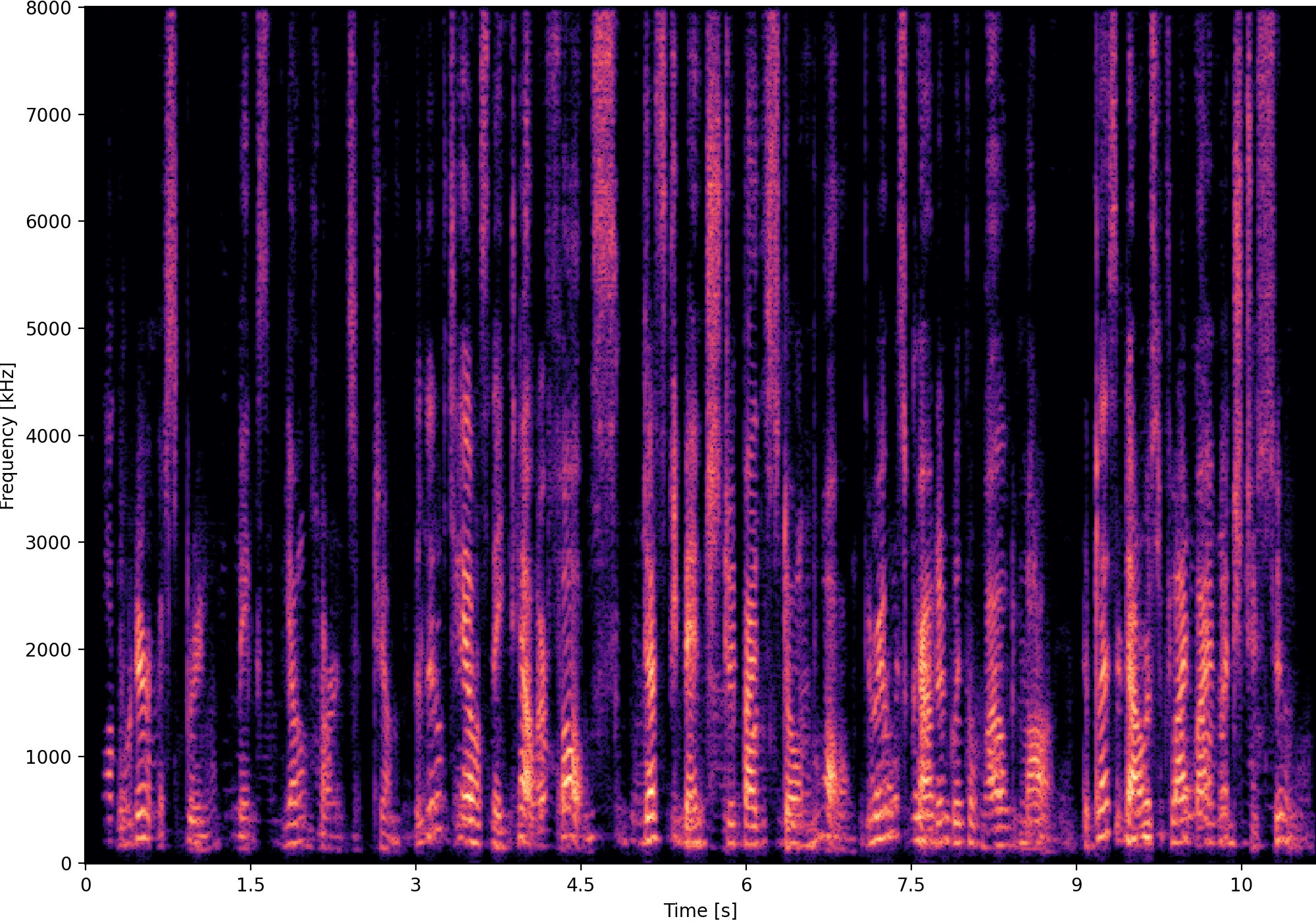
5. Consistent Advantage of CLBT-FLOs Across Array Geometries (Reverberant)
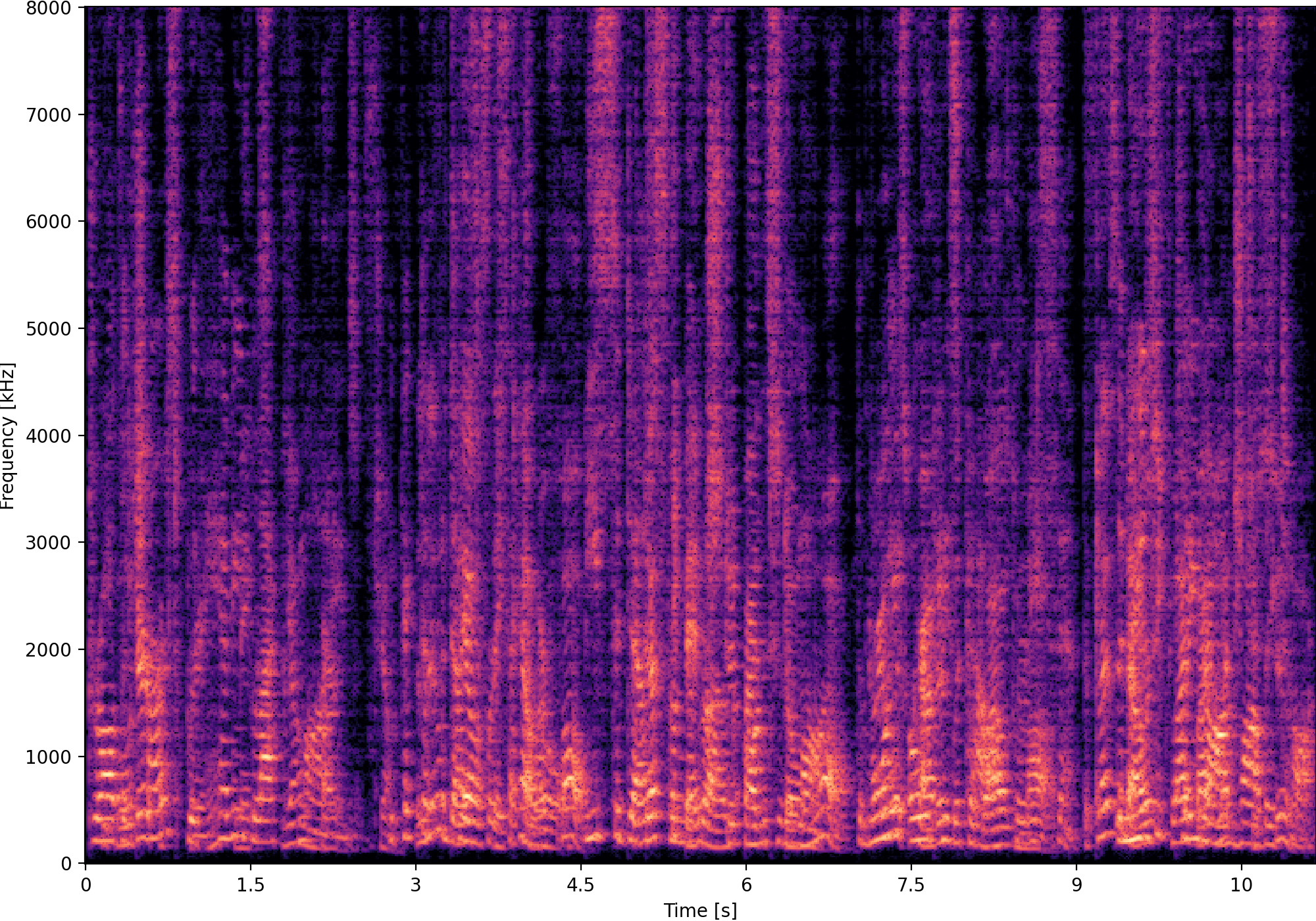
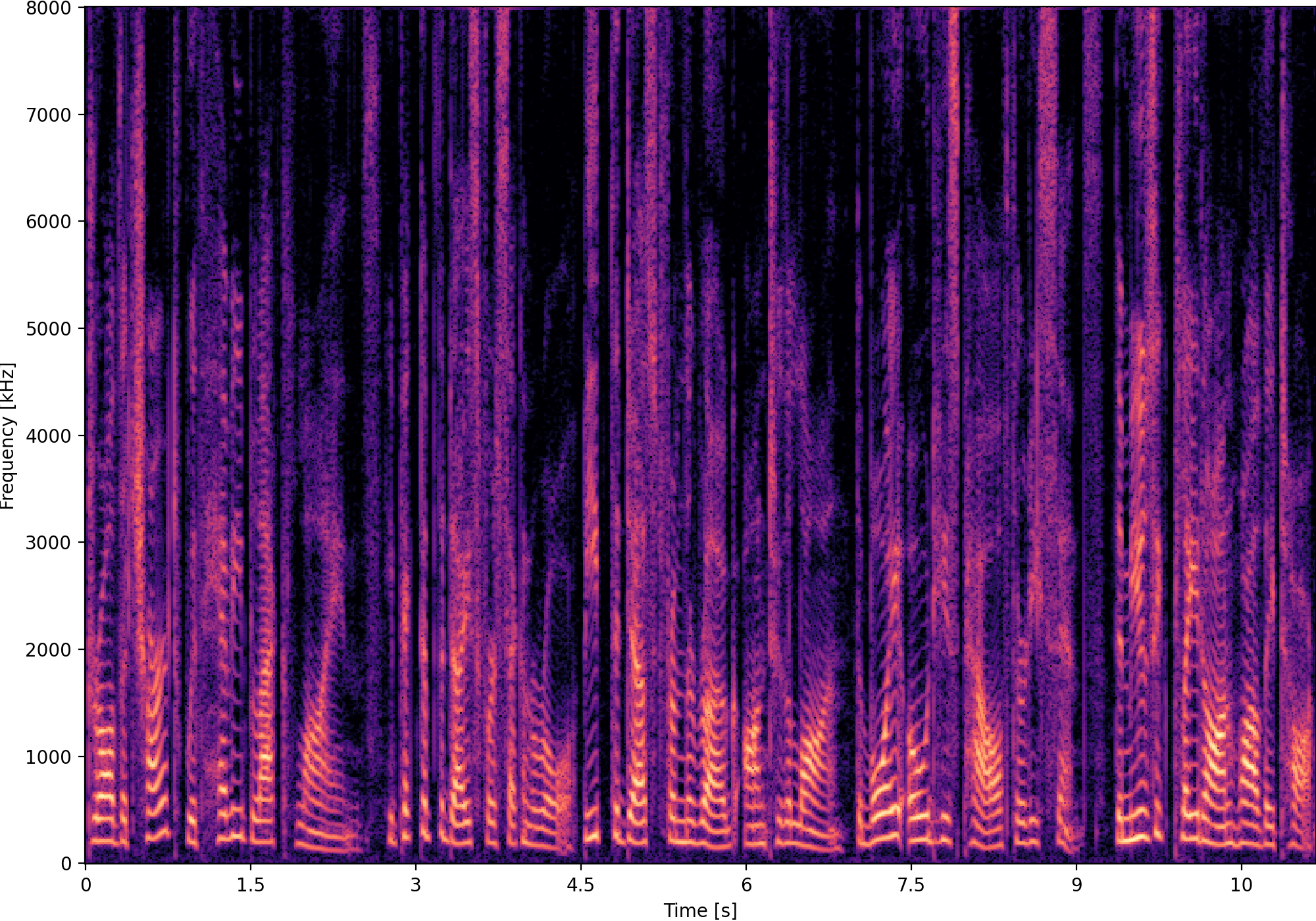
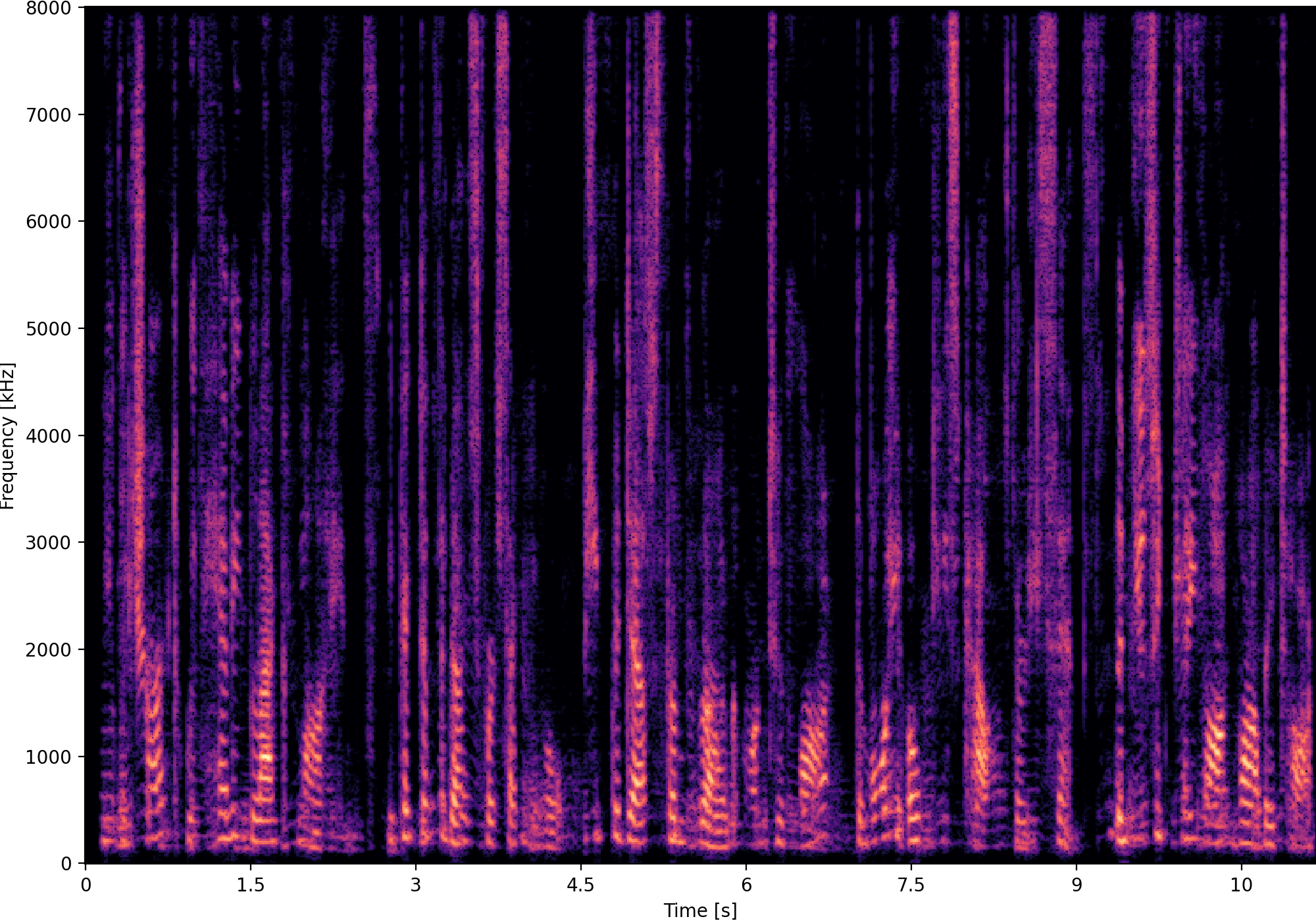
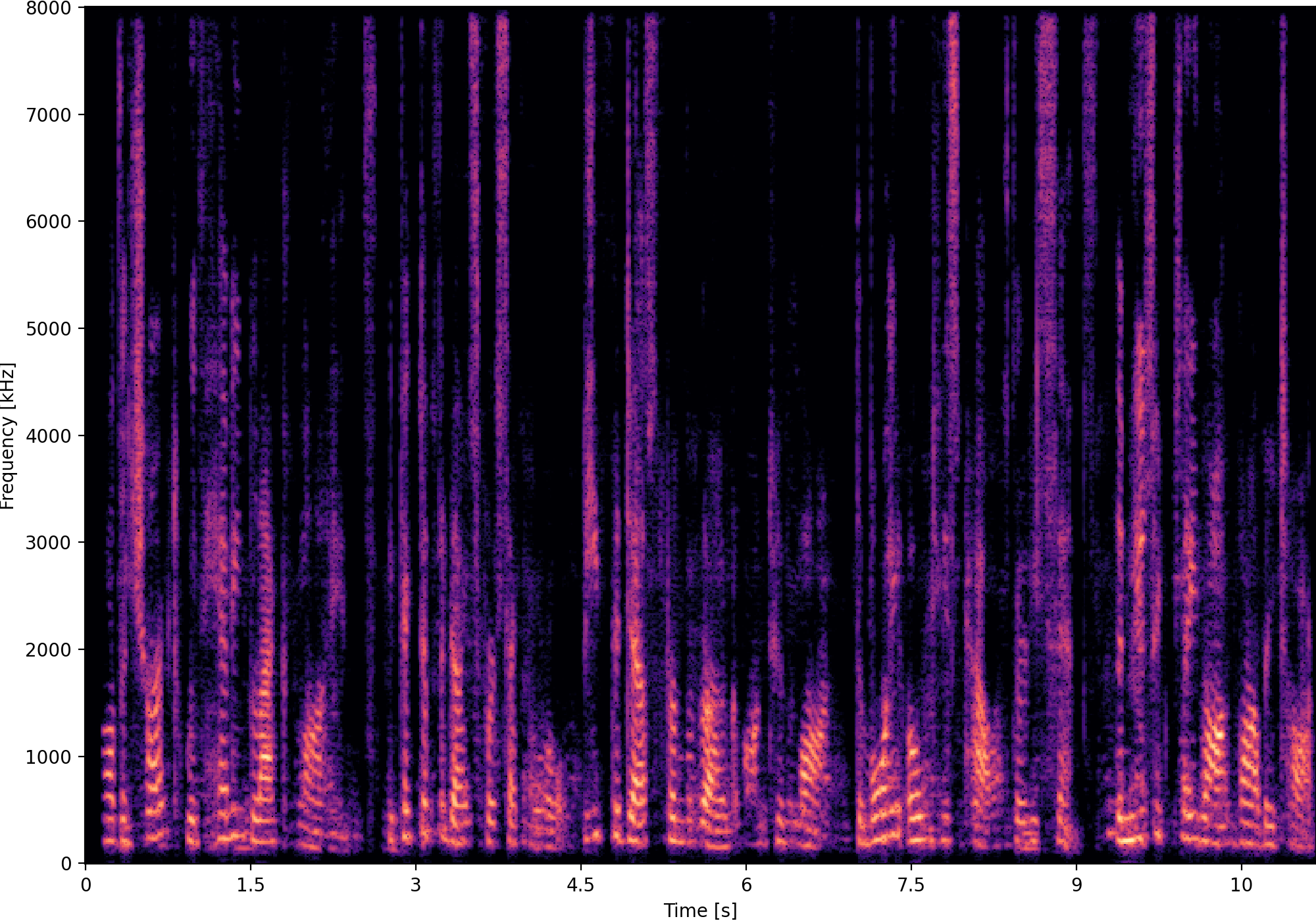
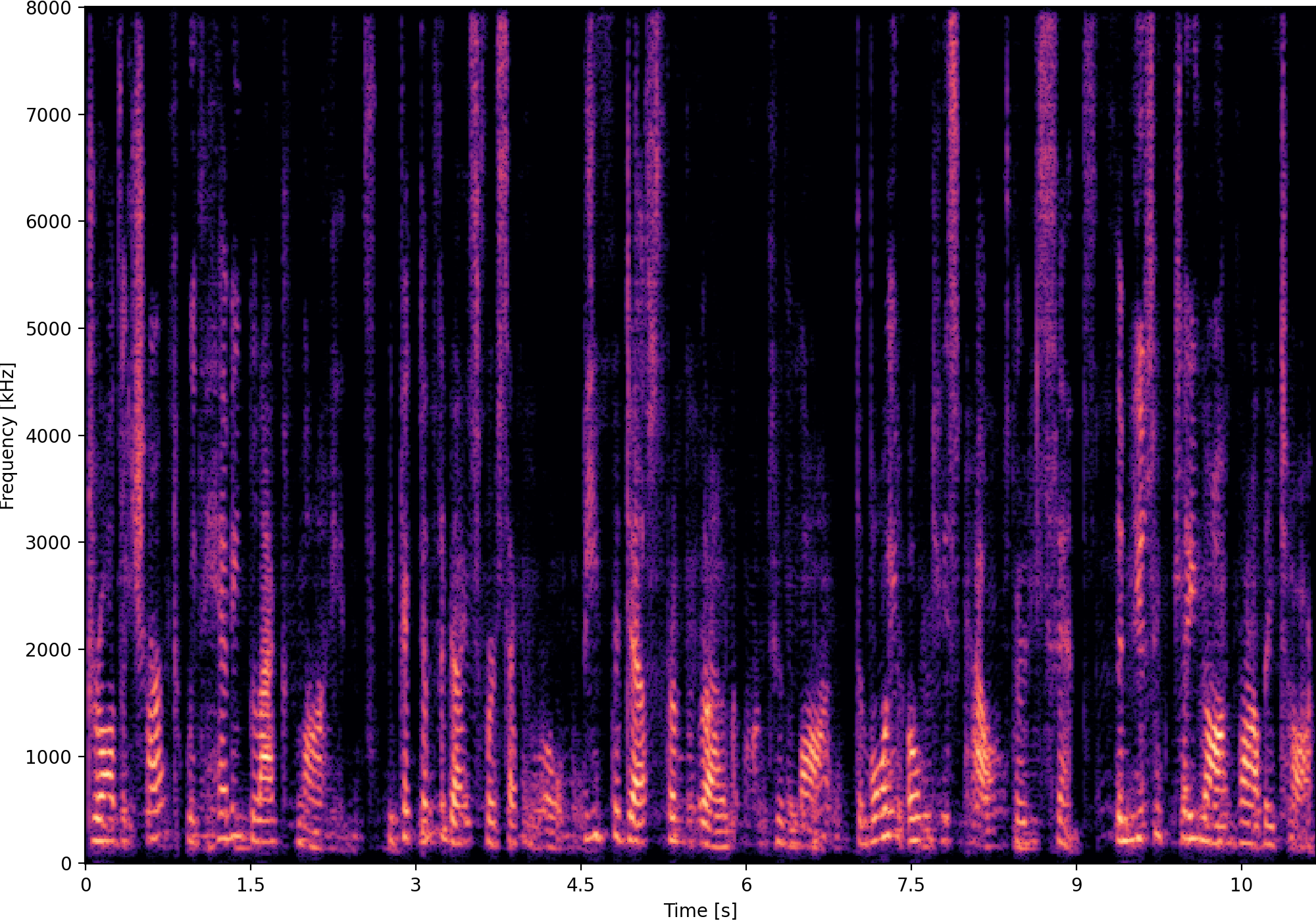
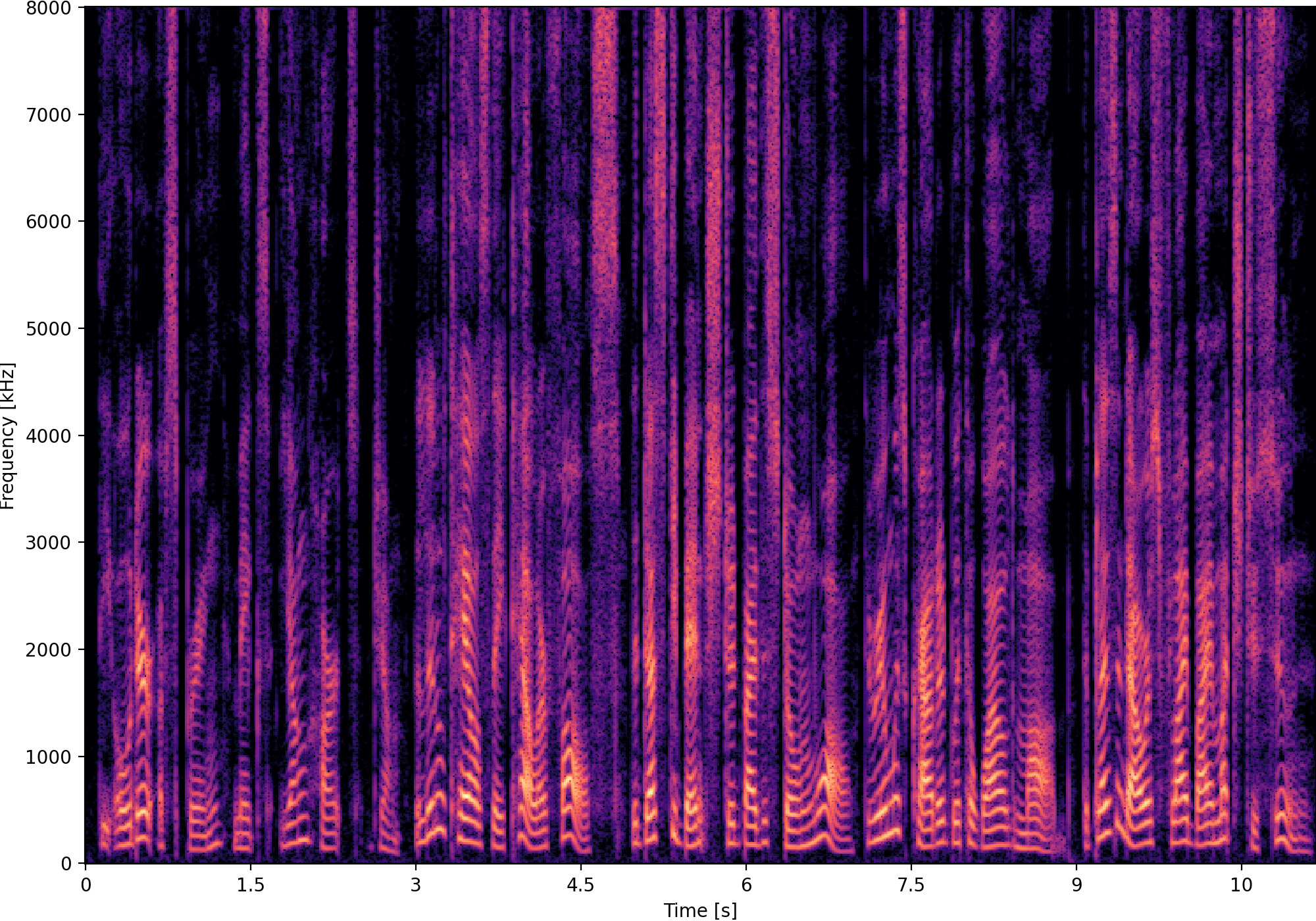
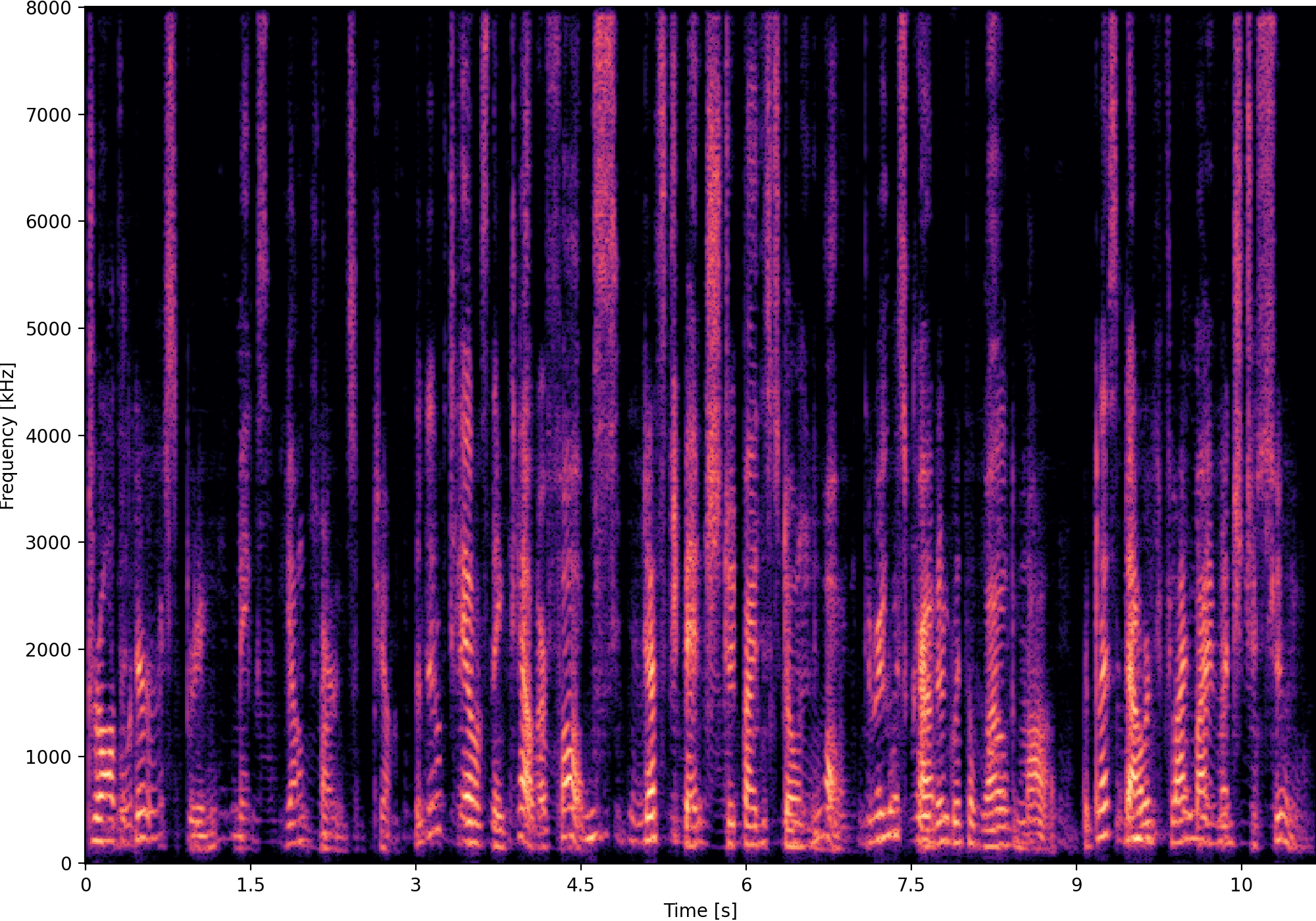
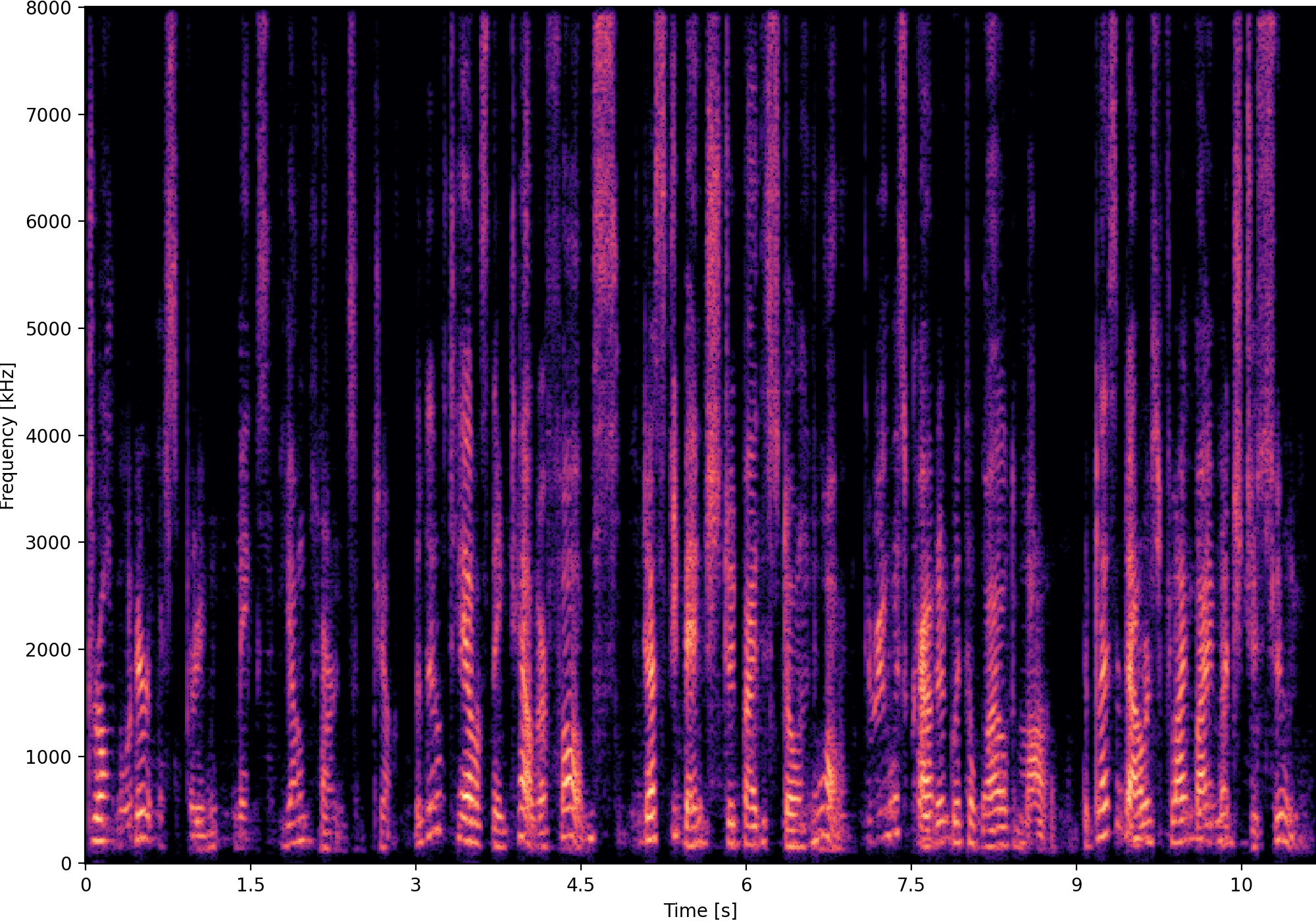
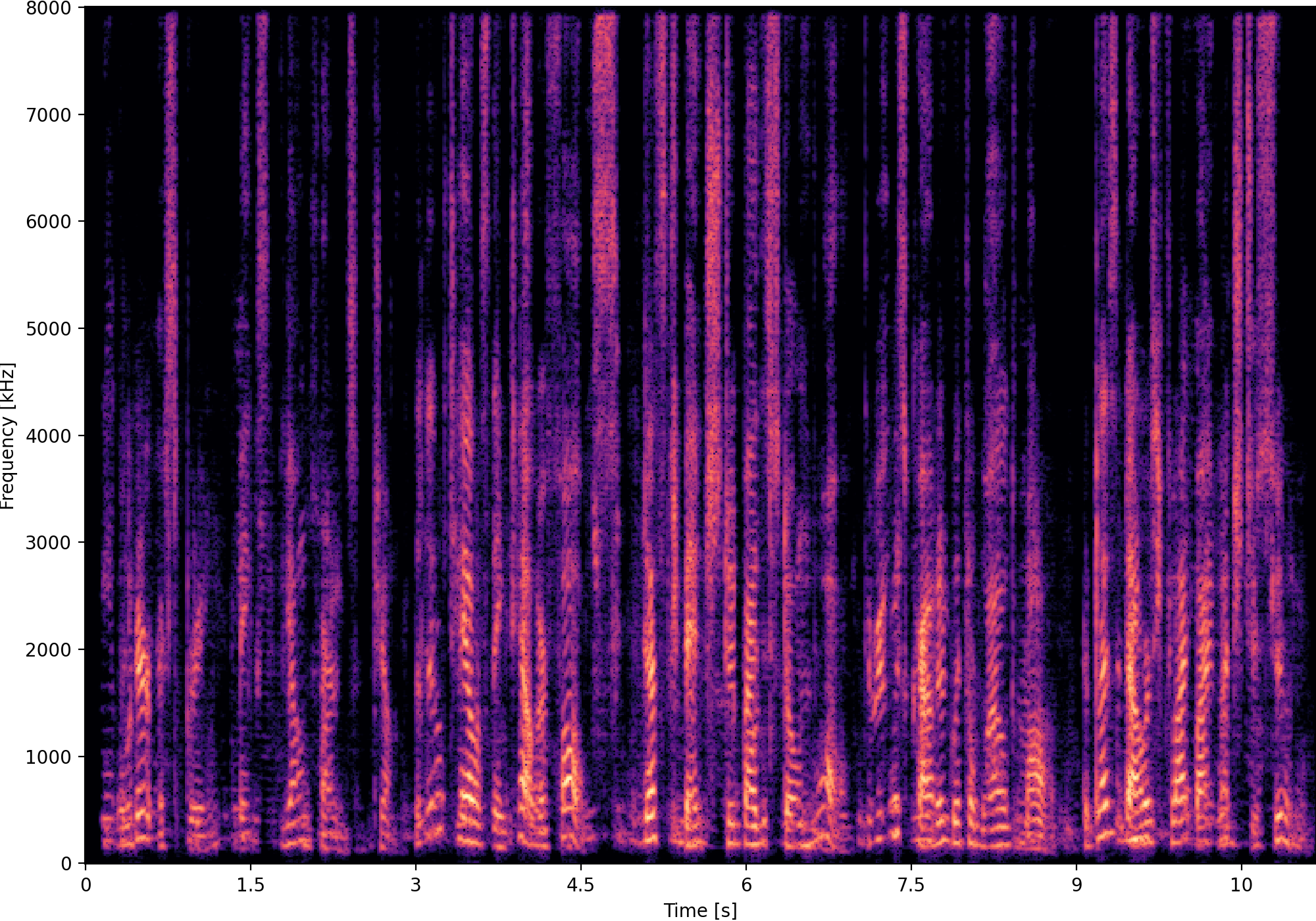
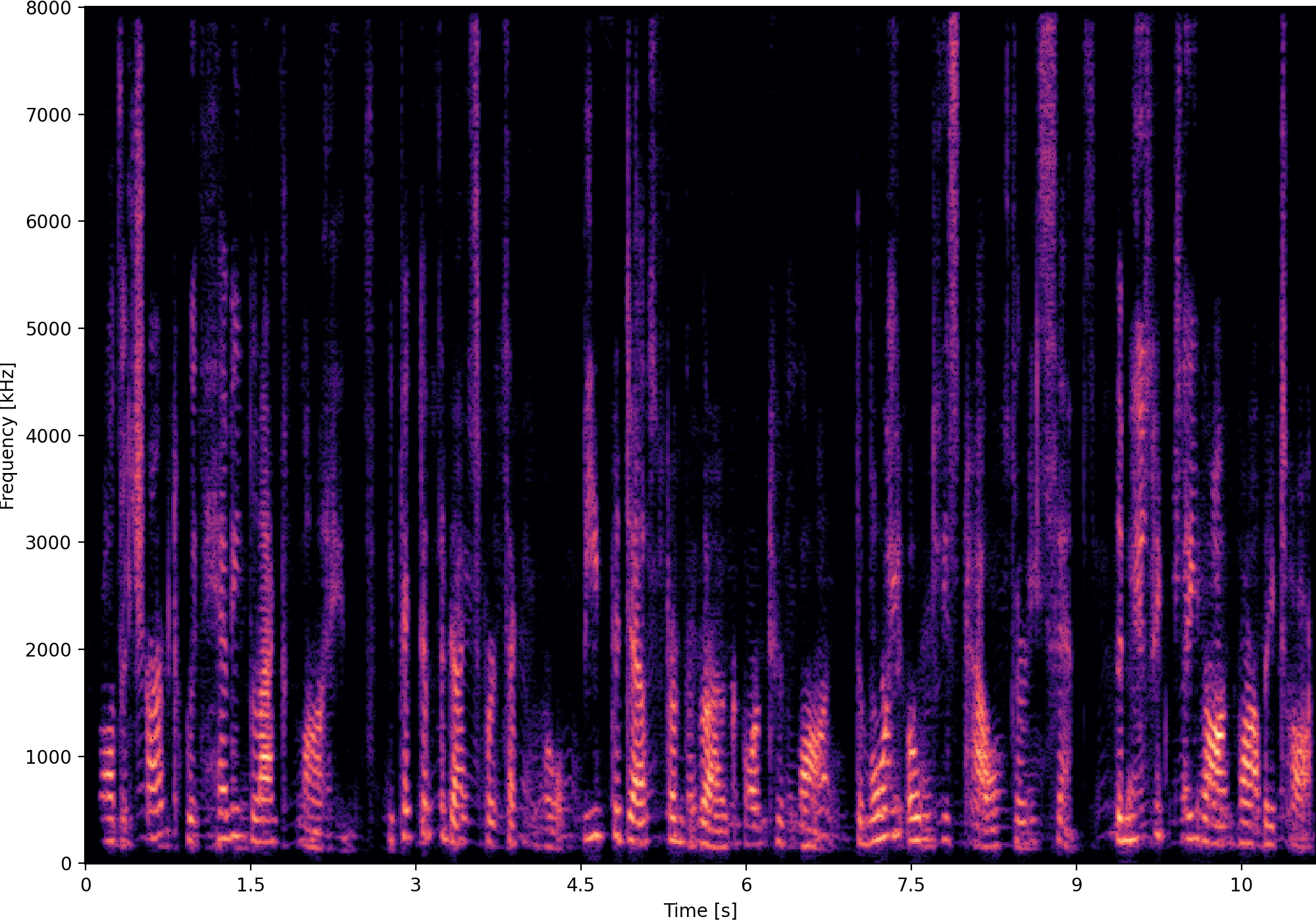
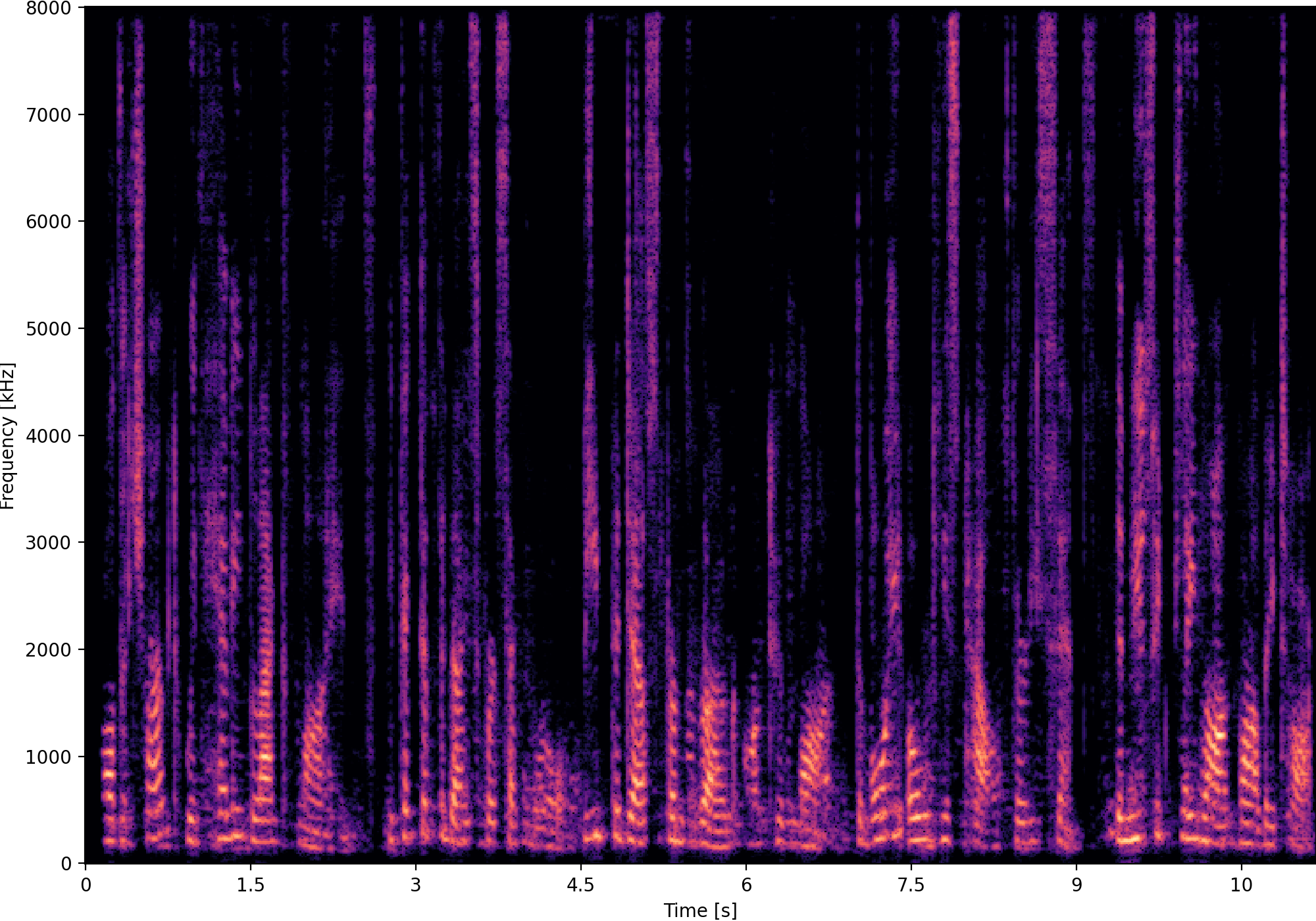
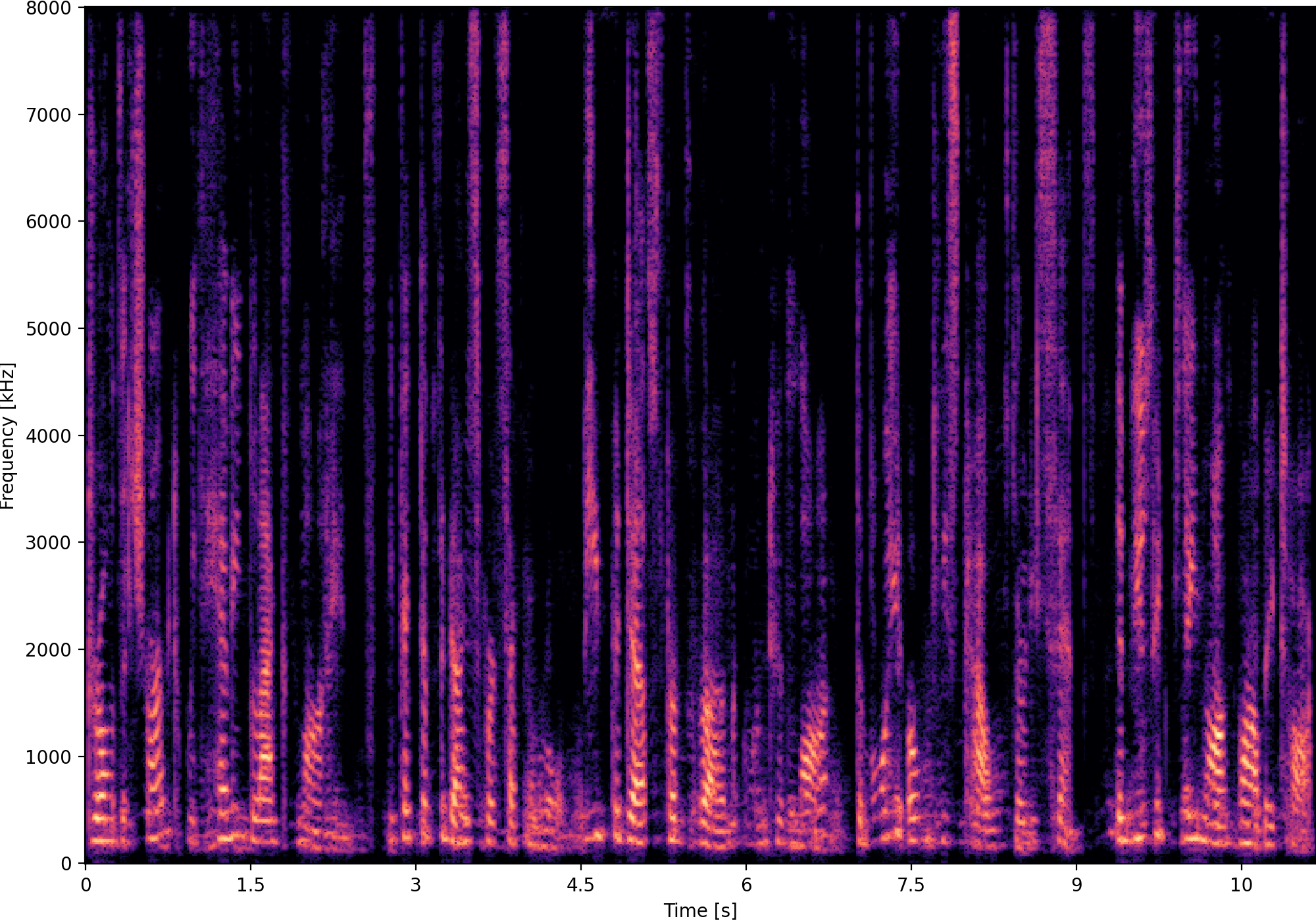
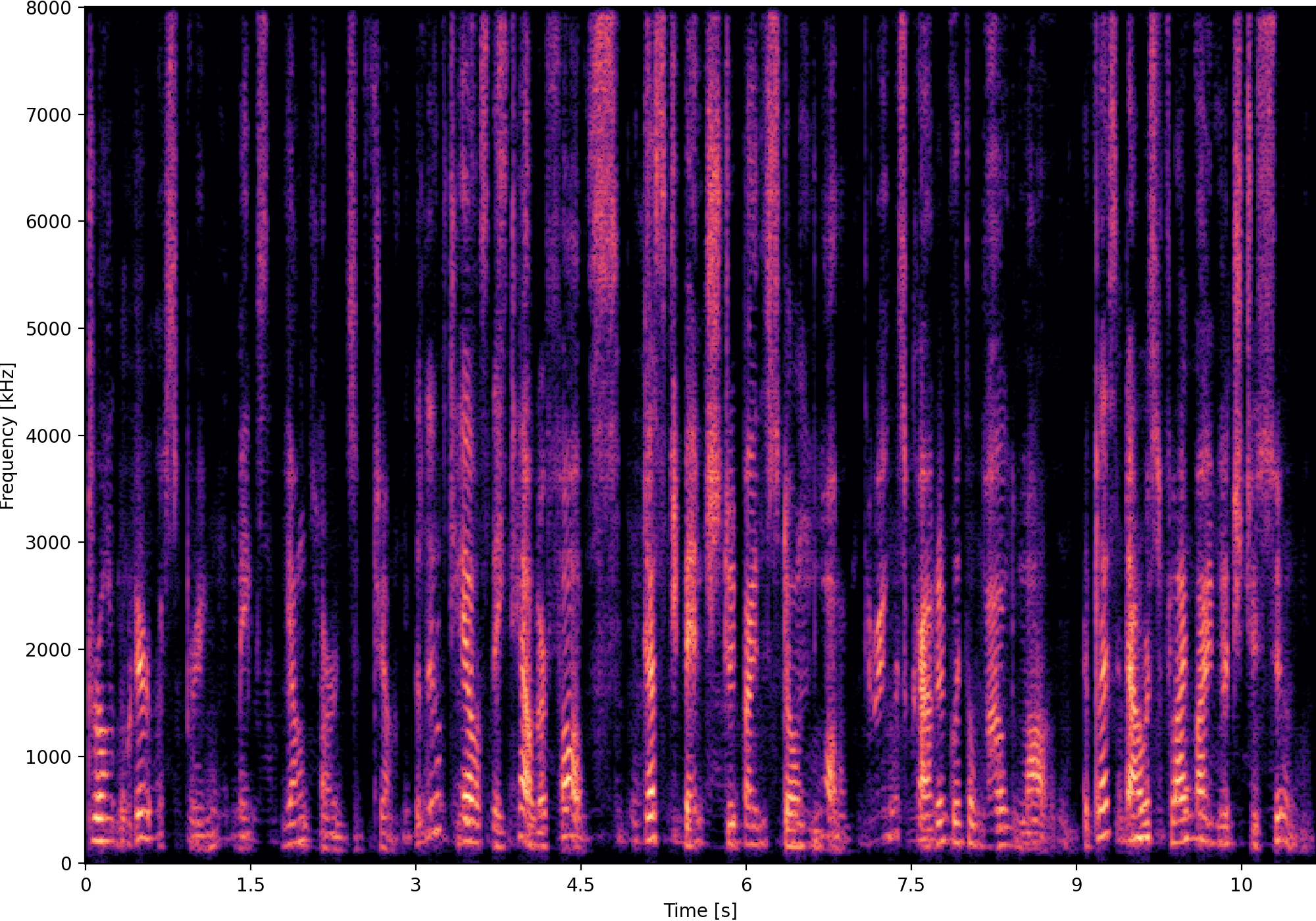
The same comparison in a simulated reverberant room: Speaker 1 female at 0°, Speaker 2 female at 140°, on PET-3 and URA-4+. Selected LBT-FLO is again θ = 0°.
What to hear. Reverberation makes leakage easier to notice. The starred FLO should keep each female more isolated than LBT-CO on both arrays, with less of the other talker in the background.
| Mixture | Ground Truth | LBT-CO (Baseline) | LBT-FLO (θ = 0°) ★ | LBT-FLO (θ = 90°) |
|---|---|---|---|---|
Mixture
|
Speaker 1
|
Speaker 1 (PET-3)
|
Speaker 1 (PET-3)
|
Speaker 1 (PET-3)
|
Speaker 2
|
Speaker 2 (PET-3)
|
Speaker 2 (PET-3)
|
Speaker 2 (PET-3)
|
| Mixture | Ground Truth | LBT-CO (Baseline) | LBT-FLO (θ = 0°) ★ | LBT-FLO (θ = 90°) |
|---|---|---|---|---|
|
Mixture
|
Speaker 1
|
Speaker 1 (URA-4+)
|
Speaker 1 (URA-4+)
|
Speaker 1 (URA-4+)
|
|
Speaker 2
|
Speaker 2 (URA-4+)
|
Speaker 2 (URA-4+)
|
Speaker 2 (URA-4+)
|